



What's Happening?
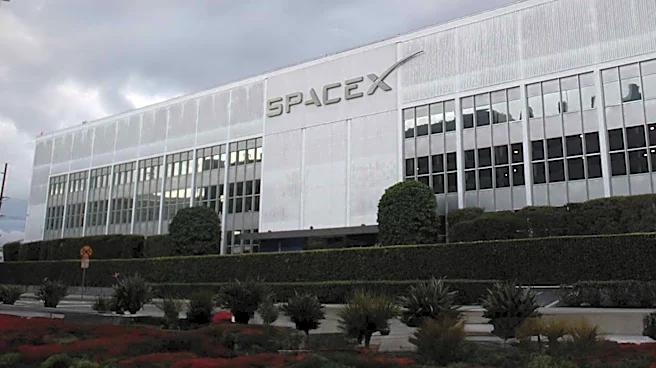
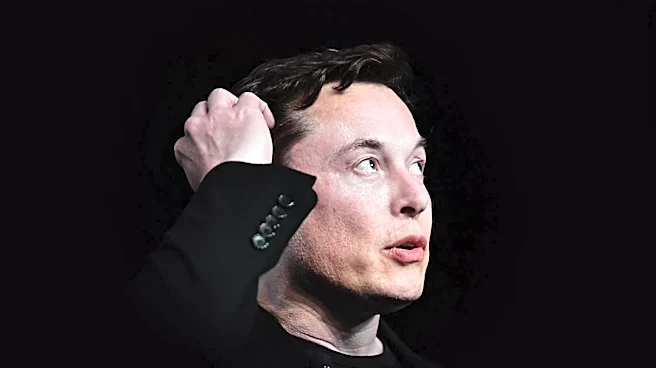
Elon Musk, CEO of Tesla and SpaceX, has identified memory as a critical bottleneck in the development of artificial intelligence. During a SpaceX earnings call, Musk noted that the demand for memory chips is outpacing supply, with demand increasing by
200% annually. This shortage is driving up prices and impacting the AI infrastructure boom. Companies like Alphabet, Amazon, and Meta are increasing their capital expenditures to address this issue. Musk's comments underscore the importance of memory in AI development and highlight the challenges faced by companies in scaling their AI capabilities.
Why It's Important?
The emphasis on memory as a limiting factor in AI development is significant as it highlights a critical component of AI infrastructure. The shortage of memory chips could slow down the progress of AI technologies, affecting industries that rely on AI for innovation. Companies investing heavily in AI may face increased costs, impacting their financial performance. Musk's insights also point to potential opportunities for memory chip manufacturers like Micron Technology and SK Hynix, which could benefit from the growing demand. The situation underscores the need for strategic investments in memory production to support the AI industry's growth.
What's Next?
As the demand for memory continues to rise, companies may need to explore alternative solutions or technologies to mitigate the shortage. This could lead to increased research and development in memory technology and potential collaborations between tech companies and memory manufacturers. The industry may also see regulatory interventions to address supply chain challenges. The outcome of these efforts will be crucial in determining the pace of AI advancements and the ability of companies to capitalize on AI opportunities.