

What's Happening?
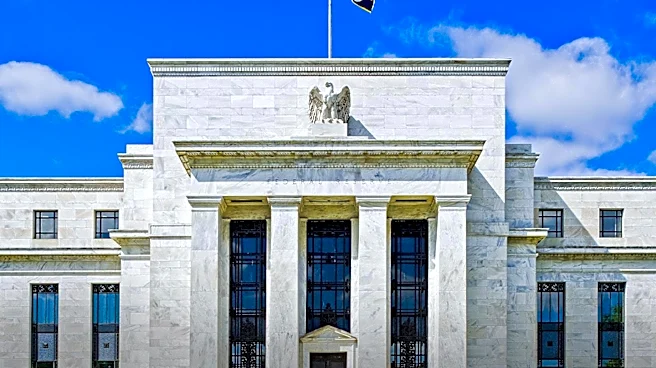
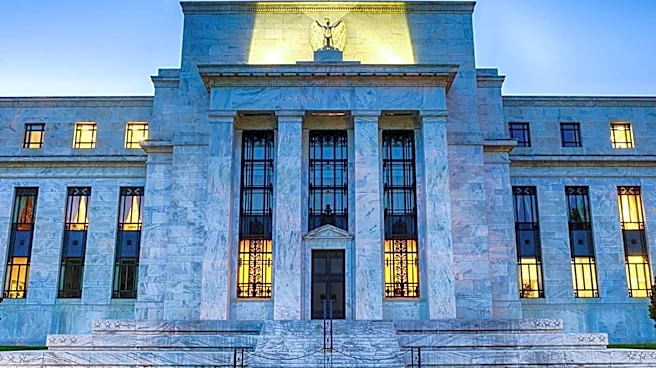
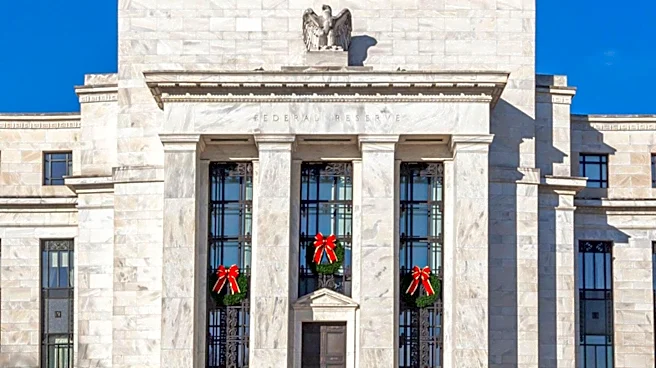
The U.S. economy experienced a slowdown in the latest quarter, with a growth rate of 1.5%. This comes as inflation shows signs of easing, with prices rising less in June compared to May. The Federal Reserve recently voted to keep interest rates steady,
a decision that reflects ongoing efforts to manage inflation. However, financial markets are anticipating potential rate hikes in the fall as the central bank continues to address persistent inflationary pressures. The economic slowdown and inflation dynamics are key factors influencing the Federal Reserve's policy decisions.
Why It's Important?
The slowdown in economic growth and the Federal Reserve's decision to hold rates steady have significant implications for the U.S. economy. Slower growth can impact employment, consumer spending, and overall economic stability. The Federal Reserve's approach to managing inflation is critical, as prolonged inflation can erode purchasing power and affect economic confidence. The anticipation of future rate hikes adds uncertainty to financial markets, influencing investment decisions and economic forecasts. The central bank's ability to balance growth and inflation will be crucial in maintaining economic stability.
What's Next?
The Federal Reserve's future policy decisions will be closely watched, particularly in light of upcoming economic data releases. Any changes in inflation trends or economic growth could prompt adjustments in monetary policy. The central bank's communication and guidance will be key in managing market expectations and ensuring economic stability. Stakeholders will also be monitoring geopolitical developments and their potential impact on economic conditions.