
What's Happening?
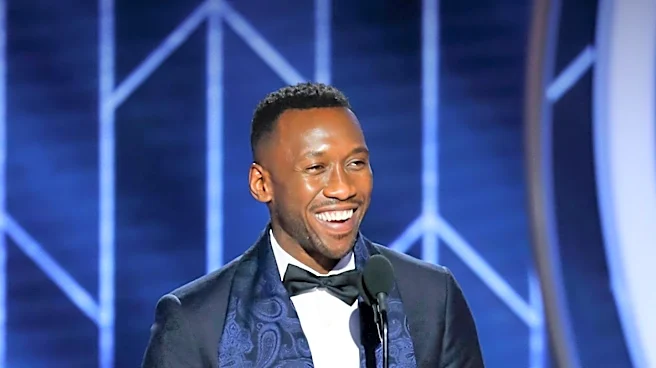
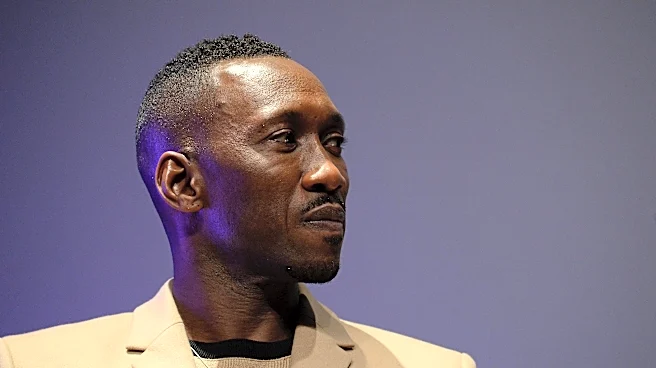
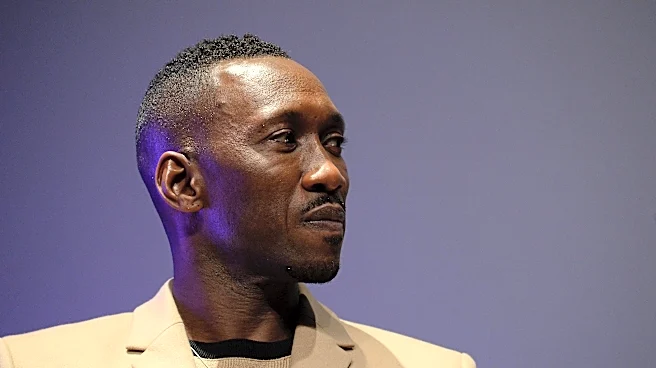
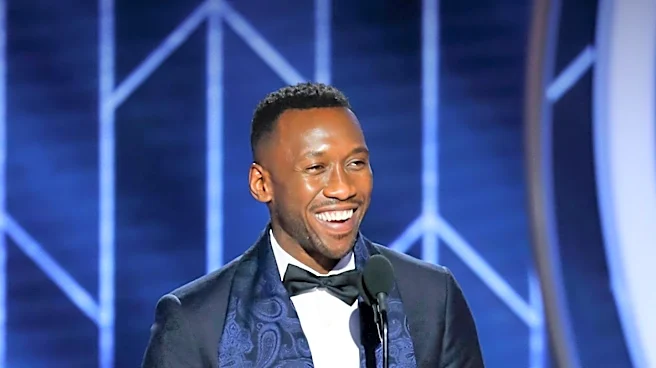
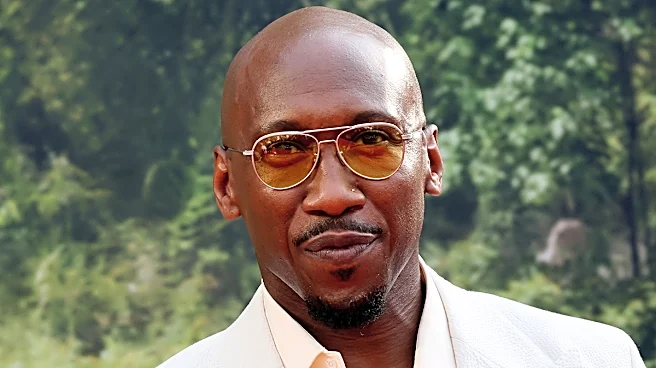
Two-time Academy Award winner Mahershala Ali has shared his perspective on the difficulties Black actors face in Hollywood, even after achieving significant recognition. Ali, who won Best Supporting Actor
Oscars for 'Moonlight' (2017) and 'Green Book' (2019), stated on the '7PM in Brooklyn' podcast that winning an Oscar does not guarantee a steady flow of leading roles or diverse opportunities. He highlighted that the scarcity of quality material and roles written for non-white actors means that even highly acclaimed performers like himself often find themselves 'waiting and looking and searching' for work. Ali's comments echo similar sentiments expressed by other Oscar winners, including Lupita Nyong'o, Brendan Fraser, and Halle Berry, who have also spoken about struggles in securing top movie roles post-Oscar win. He emphasized that an Oscar win for Black actors is often 'just talk' and 'doesn't translate to anything real' in terms of consistent career advancement, particularly in avoiding being typecast into 'diversity projects.'
Why It's Important?
Mahershala Ali's statements underscore a persistent issue within the U.S. film industry regarding diversity and equitable opportunities for Black actors. Despite the perceived career boost that an Academy Award typically provides, his experience, along with others, suggests that systemic barriers remain. This situation impacts not only the careers of individual actors but also the broader landscape of storytelling in Hollywood, potentially limiting the range and depth of narratives available to audiences. The lack of leading roles written for non-white actors can perpetuate stereotypes and restrict the industry's ability to reflect the diverse experiences of American society. For stakeholders, including studios, producers, and talent agencies, Ali's comments highlight a need for more proactive efforts in developing inclusive content and ensuring that talent is recognized and utilized regardless of race, moving beyond tokenism or 'diversity projects.'
What's Next?
The ongoing discussion initiated by Mahershala Ali and other prominent actors may prompt further introspection and calls for change within Hollywood. While immediate policy shifts are not explicitly mentioned, such public discourse often fuels advocacy for greater diversity in writing rooms, casting decisions, and greenlighting processes. Industry organizations and guilds may face renewed pressure to address these disparities. There could be an increased focus on initiatives aimed at fostering diverse talent and creating more inclusive narratives. Additionally, actors like Ali might explore more independent projects or production ventures to create their own opportunities, though Ali noted that such endeavors can be a lengthy process. The conversation is likely to continue influencing how studios approach talent development and content creation in the coming years.
Beyond the Headlines
The deeper implications of Mahershala Ali's remarks touch upon the ethical and cultural responsibilities of the entertainment industry. The notion that even two-time Oscar winners struggle to find meaningful roles due to their race points to a systemic issue that goes beyond individual talent or achievement. It raises questions about the true value of accolades in a system that may still be influenced by implicit biases and traditional casting norms. This situation can lead to a brain drain, where talented individuals are underutilized or forced to create their own pathways, potentially enriching independent cinema but also highlighting a failure of mainstream Hollywood. Culturally, it reinforces the idea that certain narratives and appearances are prioritized, potentially limiting the scope of American storytelling and its global impact. Addressing this requires a fundamental shift in industry culture, moving towards genuine equity rather than superficial diversity.