







What's Happening?
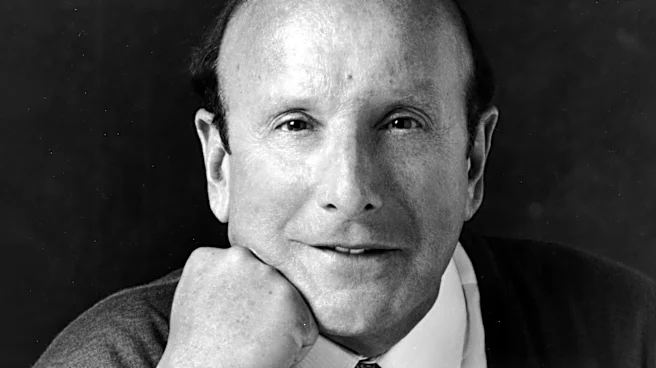
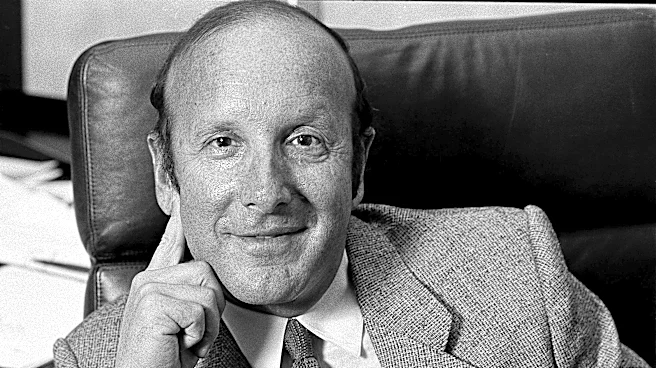
A private funeral service was held in New York City to honor Clive Davis, the legendary music mogul who passed away at the age of 94. The service, attended by numerous A-list musicians and celebrities, took place at the Central Synagogue on the Upper
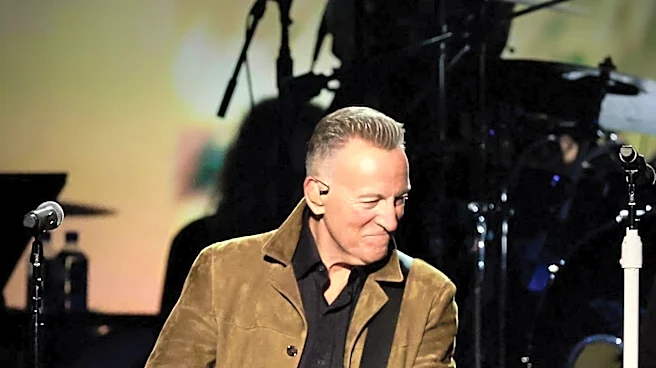
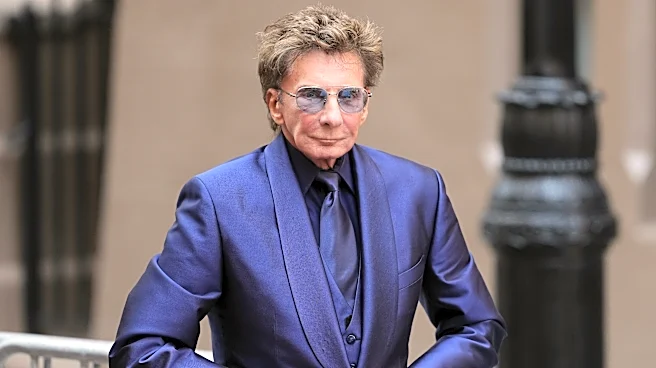
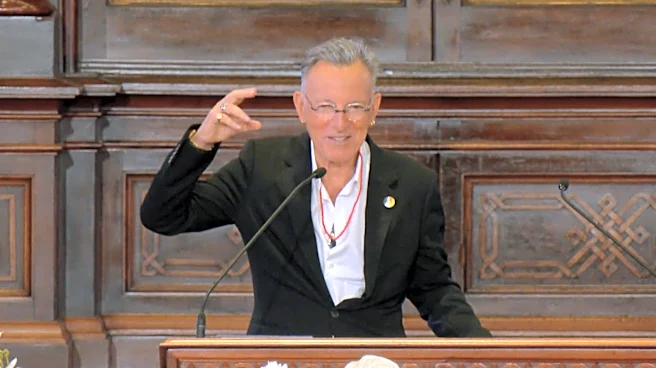
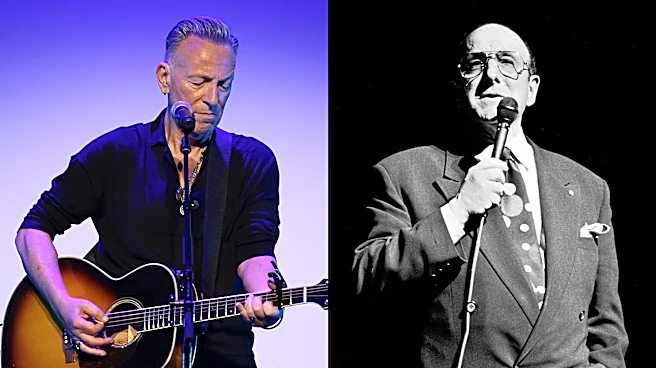
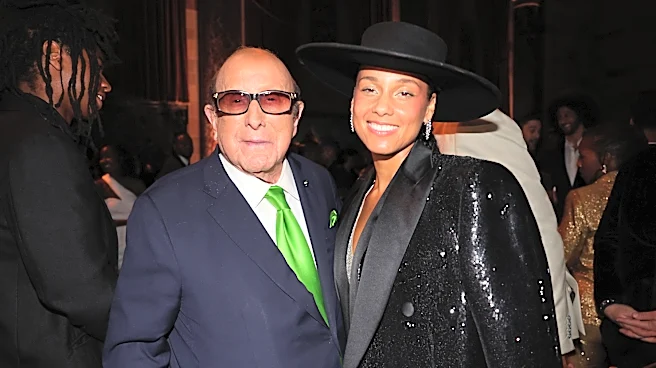
East Side. Alicia Keys, Bruce Springsteen, Dionne Warwick, Barry Manilow, Ja Rule, and Stevie Wonder were among those who paid tribute to Davis, reflecting on his profound impact on their careers. Davis was known for his ability to spot talent and was instrumental in launching the careers of artists like Whitney Houston, Sean 'Diddy' Combs, and Kelly Clarkson. The service featured performances by Kenny G and Jennifer Hudson, who sang Leonard Cohen's 'Hallelujah' and Whitney Houston's 'I Will Always Love You.' Davis's influence extended beyond music, as notable figures such as former House Speaker Nancy Pelosi and media personalities Hoda Kotb and Gayle King also attended the service.
Why It's Important?
Clive Davis's contributions to the music industry have left a lasting legacy, shaping the careers of numerous artists and influencing the direction of modern music. His ability to identify and nurture talent has had a significant impact on the industry, leading to the success of many iconic albums and artists. The gathering of such a diverse group of influential figures at his funeral underscores the breadth of his influence across different sectors, including entertainment and media. Davis's passing marks the end of an era in the music industry, highlighting the importance of visionary leaders who can drive innovation and success. His legacy serves as a reminder of the critical role that talent scouts and industry executives play in shaping cultural landscapes.
What's Next?
While the funeral marks the end of Clive Davis's direct influence, his legacy will continue to inspire future generations of musicians and industry leaders. The artists he mentored and the music he helped create will remain influential, potentially guiding new trends and developments in the industry. As the music world reflects on Davis's contributions, there may be renewed interest in his methods and strategies for identifying and promoting talent. Industry stakeholders might explore ways to emulate his success, fostering new talent and innovation in the evolving music landscape.
Beyond the Headlines
Clive Davis's impact extends beyond the music industry, touching on broader cultural and societal themes. His ability to bring diverse talents together and create successful collaborations highlights the importance of inclusivity and diversity in creative fields. Davis's career also underscores the significance of mentorship and support in achieving success, offering valuable lessons for aspiring artists and executives. As the industry continues to evolve, Davis's legacy may influence discussions on the role of executives in shaping cultural narratives and promoting diverse voices.