




What's Happening?
Beko has released its 2025 Integrated Report, showcasing significant strides in sustainability and environmental responsibility. The report highlights Beko's achievements in energy efficiency, waste recycling, and renewable energy. In 2025, Beko's energy efficiency projects
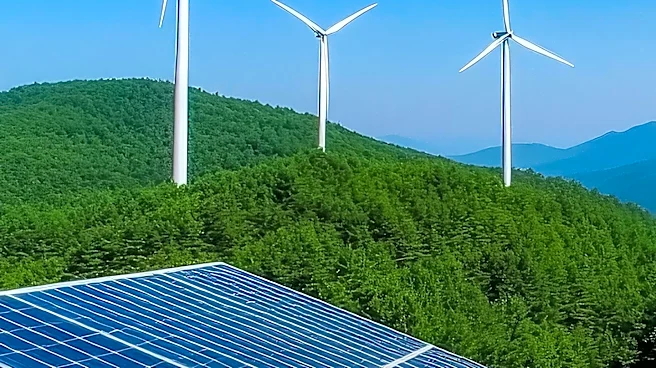
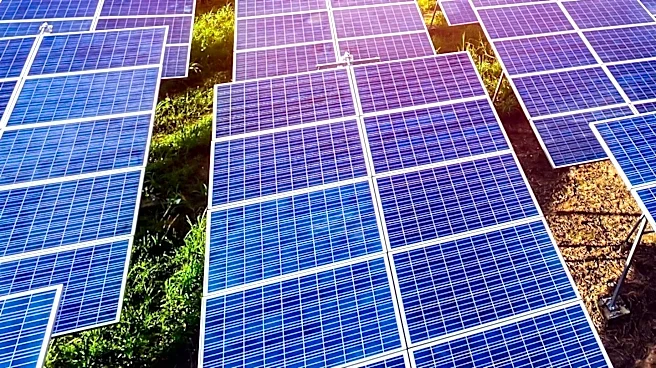
saved 69,562 GJ of energy, preventing 5,297 tonnes of CO2 emissions. The company achieved a 98.6% waste recycling rate and increased its renewable energy capacity to 96 MWp. Beko's commitment to sustainability is further evidenced by its inclusion in TIME Magazine's World's Most Sustainable Companies list for the third consecutive year. The company has also been recognized by the World Economic Forum's Global Lighthouse Network for its manufacturing facilities, with the Ulmi plant earning the Sustainability Lighthouse designation.
Why It's Important?
Beko's advancements in sustainability reflect a growing trend among global corporations to prioritize environmental responsibility. By achieving high energy efficiency and waste recycling rates, Beko sets a benchmark for the home appliance industry. The company's focus on low-carbon products, which accounted for 72.6% of its turnover in 2025, aligns with increasing consumer demand for environmentally friendly products. Beko's efforts contribute to broader global goals of reducing carbon footprints and promoting sustainable practices. This progress not only enhances Beko's brand reputation but also positions it as a leader in the transition to a more sustainable economy.
What's Next?
Beko plans to continue its sustainability journey by expanding its smart factory network and increasing its use of green electricity. The company aims to achieve 100% green electricity across all manufacturing sites by 2030. Beko's ongoing commitment to sustainability will likely influence industry standards and encourage other companies to adopt similar practices. As the world prepares for COP31, Beko's transparent reporting and measurable progress serve as a model for corporate responsibility in addressing climate change.
Beyond the Headlines
Beko's sustainability initiatives highlight the intersection of technology and environmental responsibility. The integration of artificial intelligence and machine learning in its manufacturing processes not only enhances efficiency but also reduces environmental impact. This approach demonstrates how technological advancements can drive sustainable development. Beko's commitment to the circular economy, through appliance refurbishment and recycling, further underscores the importance of resource conservation in achieving long-term sustainability goals.