






What's Happening?
A new study conducted by researchers at Harvard T.H. Chan School of Public Health, Boston Children’s Hospital, and Harvard Pilgrim Health Care Institute has found that infants born to mothers who followed a healthy, Mediterranean-style diet during pregnancy
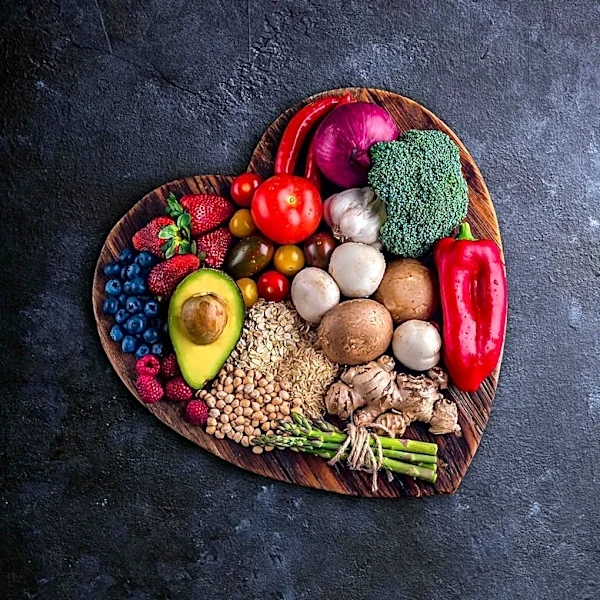
had a lower risk of developing colic and eczema. The study, published in JAMA Network Open, analyzed data from over 1,300 pregnant women recruited in Eastern Massachusetts between 1999 and 2002. Participants completed regular food questionnaires, which were scored based on the Mediterranean Diet Score (MDS) and the Dietary Inflammation Index (DII). A higher MDS, indicating a diet rich in fruits, vegetables, whole grains, legumes, and healthy fats, was associated with a 15% reduction in the risk of infants having both colic and eczema for each point increase. Conversely, a higher DII, reflecting a less healthy diet with more red/processed meats and sugar-sweetened beverages, was linked to a 34% higher risk. The study also specifically noted that each weekly serving of seafood consumed by pregnant women was associated with a 25% lower chance of their infant experiencing both colic and eczema.
Why It's Important?
This research is significant because it is the first to explore the influence of prenatal diet on infant colic, particularly the combination of colic and eczema. Previous studies have established a link between infant colic and higher rates of atopic conditions, such as asthma, seasonal rhinitis, and food allergies, later in life. By identifying a potential preventive factor in maternal diet, this study offers valuable insights for public health recommendations and interventions. The findings suggest that promoting a Mediterranean-style diet and encouraging seafood consumption during pregnancy could be a simple, non-invasive strategy to reduce the incidence of these common infant conditions, potentially mitigating the risk of subsequent allergic diseases. This could have a substantial impact on infant health and reduce the burden on healthcare systems dealing with pediatric allergies and related conditions.
What's Next?
The study's authors, including Emily Oken and Jenifer Lightdale, emphasize that these findings provide another compelling reason to support pregnant women in achieving a healthy, balanced diet, with a particular focus on seafood. They hope the research will be beneficial not only for individuals and families but also for programs and services that support women's health and nutrition. This includes federal initiatives like WIC and SNAP, as well as programs administered by health plans and systems, such as 'food is medicine' initiatives. Future research may delve deeper into the specific mechanisms by which maternal diet influences infant gut microbiome development and immune programming, which could further refine dietary recommendations. Additionally, intervention studies could be designed to test the effectiveness of dietary counseling during pregnancy on infant outcomes.
Beyond the Headlines
The study highlights the profound and long-lasting impact of maternal nutrition on offspring health, extending beyond immediate pregnancy outcomes to early childhood development and potentially lifelong health trajectories. The emphasis on a Mediterranean diet underscores the importance of whole, unprocessed foods and healthy fats, aligning with broader dietary guidelines for general health. The specific finding regarding seafood consumption is particularly interesting, suggesting potential benefits from omega-3 fatty acids or other micronutrients found in fish. This research also implicitly calls for addressing socioeconomic and structural barriers that prevent pregnant women from accessing healthy nutrition, advocating for policies that support equitable access to nutritious food. The connection between early-life conditions like colic and eczema and later allergic diseases reinforces the concept of the 'allergic march' and the critical window of opportunity during pregnancy and infancy for disease prevention.