





What's Happening?
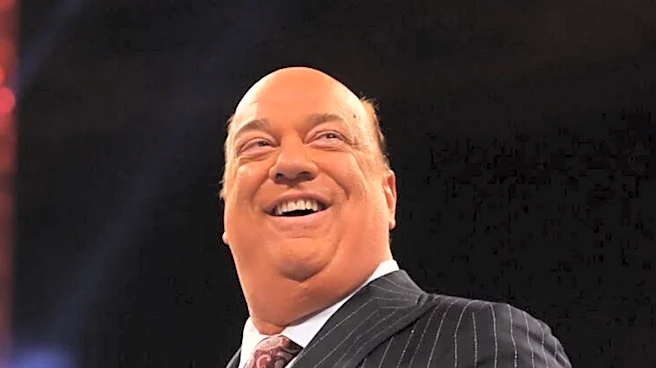
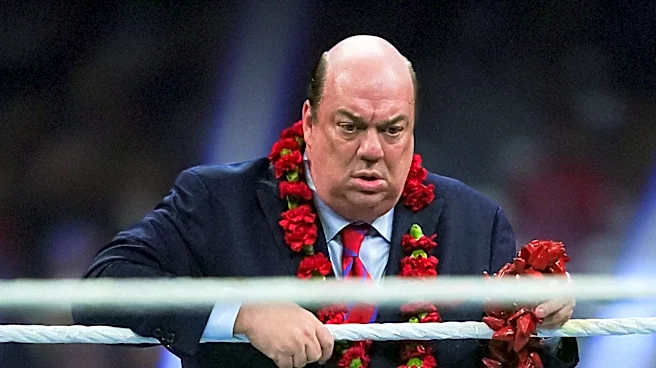
Paul Heyman, a WWE Hall of Famer and influential figure in professional wrestling, recently revealed that he almost left the industry entirely before his pivotal role in ECW. Following his dismissal from WCW at 28 years old, Heyman was disillusioned with
wrestling and actively pursued a career in radio broadcasting. He was reportedly days away from signing a contract, negotiated by the William Morris talent agency, to host a morning radio show in New York, directly competing with Howard Stern. His departure from WCW stemmed from a disagreement over contract reductions proposed by executive Bill Watts, which Heyman refused to accept. This period of frustration led him to believe his wrestling career was over, prompting serious negotiations for a lucrative radio opportunity. However, an unexpected call from former promoter Jim Crockett Jr. ultimately changed his trajectory, challenging Heyman's criticisms of the wrestling business and prompting him to reconsider his exit.
Why It's Important?
This revelation highlights a critical juncture in professional wrestling history, as Heyman's decision to remain in the industry profoundly impacted its landscape. Had he pursued the radio career, the formation and unique identity of Extreme Championship Wrestling (ECW) might have been drastically different, or perhaps never materialized in the same influential way. ECW, under Heyman's creative direction, became renowned for its unconventional, hardcore style, pushing boundaries and influencing a generation of wrestlers and promotions. His innovative approach to storytelling and character development in ECW provided an alternative to mainstream wrestling, attracting a dedicated fanbase and shaping the future direction of the sport. The absence of Heyman's vision during that era could have left a significant void in wrestling's creative evolution, potentially altering the careers of numerous performers and the overall trajectory of the industry.
What's Next?
While this specific event is historical, Heyman's continued presence and influence in professional wrestling remain significant. His insights into the business, as demonstrated by this revelation, often provide valuable context for current trends and future directions within WWE and the broader wrestling world. Fans and industry observers will likely continue to analyze such pivotal moments in his career to understand the origins of modern wrestling's creative philosophies. Heyman's narrative serves as a reminder of how individual decisions can have far-reaching consequences on an entire industry. His ongoing role as a manager and on-screen personality in WWE ensures that his perspective and historical contributions continue to shape contemporary wrestling narratives and fan engagement.
Beyond the Headlines
Heyman's near-departure underscores the often-unseen personal struggles and career crossroads faced by influential figures in entertainment. His frustration with WCW's corporate decisions and his willingness to completely pivot careers illustrate a deep-seated desire for creative control and professional integrity. This moment also highlights the power of persuasion and mentorship, as Jim Crockett Jr.'s challenge to Heyman's criticisms ultimately reignited his passion for wrestling. It suggests that sometimes, the greatest innovations arise from moments of disillusionment, when individuals are pushed to prove their convictions. The story also subtly points to the competitive media landscape of the 1990s, where a wrestling personality could credibly transition to a major radio market, showcasing the crossover appeal of such figures during that era.