



What's Happening?
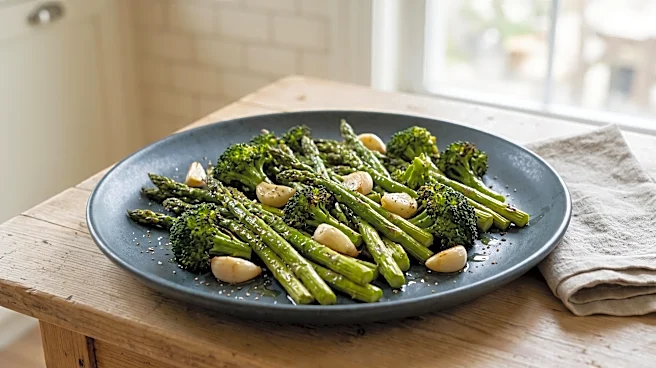
Dr. Kate McLean, an OB-GYN and chief medical officer at Evvy, confirms that certain foods can temporarily change the aroma around the vagina and vulva. Foods like garlic, onion, asparagus, and cruciferous vegetables (broccoli, cauliflower, cabbage) contain
sulfurous compounds that, after consumption, can be released through sweat and breath, affecting body odor. Spicy foods and coffee can also increase sweating, intensifying the smell of recently consumed ingredients. Alcohol breaks down into odorous chemicals released through sweat and breath. Dr. McLean emphasizes that these changes are normal and temporary, typically clearing within 24 to 48 hours, and do not indicate a health problem.
Why It's Important?
This information is important for public health and women's wellness, as it demystifies common concerns about vaginal odor and helps distinguish normal bodily functions from potential health issues. Many individuals may experience anxiety or confusion over changes in body odor, leading to unnecessary self-treatment or concern. By clarifying that food-related odor changes are natural and temporary, Dr. McLean helps reduce stigma and encourages a healthier understanding of vaginal health. It also counters misinformation, such as the myth that certain foods can make the vagina smell 'better' or 'sweeter,' which lacks scientific evidence. This understanding can prevent harmful practices like douching or using scented products, which can disrupt the natural vaginal microbiome.
What's Next?
Dr. McLean advises against avoiding nutritious foods due to temporary scent changes. If an odor persists for more than a couple of days, becomes particularly strong or fishy, or is accompanied by unusual discharge, itching, burning, irritation, or pain, individuals should consult a healthcare provider to rule out conditions like bacterial vaginosis or other infections. For temporary food-related odors, the recommendation is to allow the body to metabolize and clear the compounds naturally, emphasizing that the vagina is self-cleaning. Drinking water, urinating, wearing breathable underwear, and changing out of sweaty clothes can help mitigate sweat smells.
Beyond the Headlines
The discussion around food and vaginal odor touches upon broader themes of body literacy and challenging societal pressures regarding female scent. There's a pervasive cultural expectation for the vagina to smell 'pleasant' or 'neutral,' often leading to the use of potentially harmful scented products. Dr. McLean's statement that 'a healthy vagina is not supposed to smell like flowers' is a crucial step in normalizing natural bodily odors and promoting self-acceptance. This conversation encourages a more informed and less anxious approach to personal hygiene, advocating for practices that support the body's natural balance rather than attempting to mask or alter it based on unrealistic ideals. It also highlights the importance of medical professionals in providing accurate, evidence-based information to counteract widespread myths and misconceptions about women's health.