



What's Happening?
The 2026 MLB Home Run Derby is set to feature a new format that changes the traditional timed rounds to a swing-based competition. This year, participants will have a limited number of swings per round: 20 in the first round, and 15 in both the second
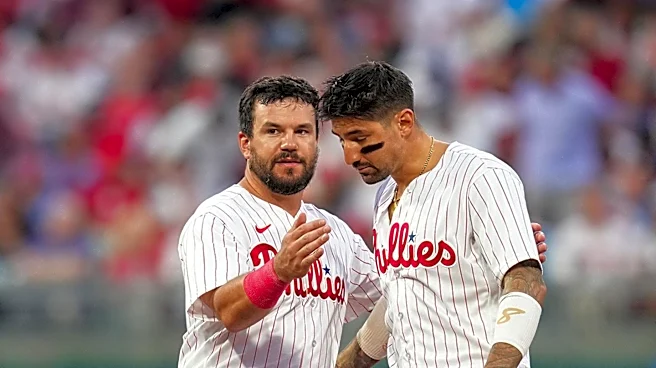
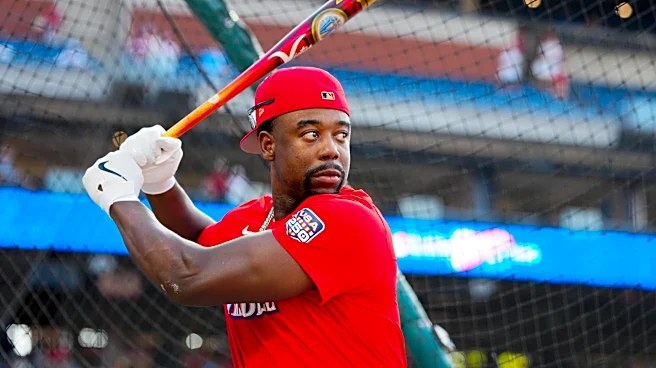
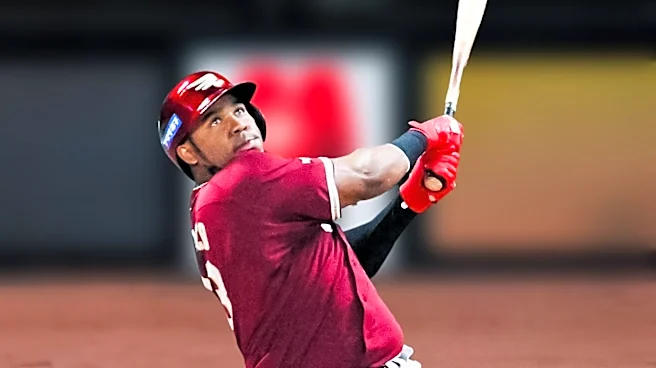
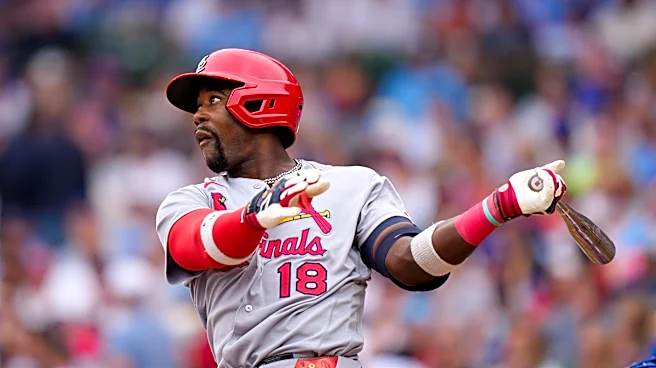
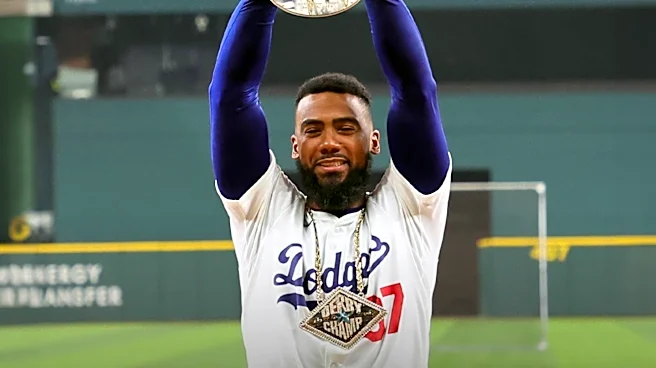
and final rounds. All swings will count against a player's total, regardless of whether they result in a home run. However, if a player hits a home run on their final swing, they can continue swinging until they fail to hit another home run. The top four scorers from the first round will advance to the second round, which will be head-to-head, with seeding based on first-round scores. Ties will be resolved through three-swing swing-offs, and home-run distance will be used to break ties in the initial round. Notable participants include Junior Caminero, Kyle Schwarber, and Munetaka Murakami, with Schwarber being a favorite due to his previous performance and crowd support.
Why It's Important?
The new format for the Home Run Derby could significantly impact player strategies and the overall excitement of the event. By limiting the number of swings, MLB aims to increase the competitive nature of the Derby, potentially leading to more dramatic finishes and strategic play. This change may also affect how players prepare for the event, as they will need to focus on maximizing their efficiency with each swing. The introduction of swing limits could lead to lower overall home-run totals, but it might also create opportunities for players to go on extended home-run streaks, particularly with the last-pitch rule. This format change reflects MLB's ongoing efforts to innovate and maintain fan interest in its events.
What's Next?
As the Derby approaches, players and coaches will likely adjust their training and strategies to adapt to the new format. Fans can expect a more strategic and potentially unpredictable competition, with the possibility of tiebreakers playing a crucial role in determining the winners. The success of this new format could influence future iterations of the Home Run Derby and other MLB events, as the league continues to explore ways to enhance the fan experience and maintain the sport's relevance in a competitive entertainment landscape.