

What's Happening?
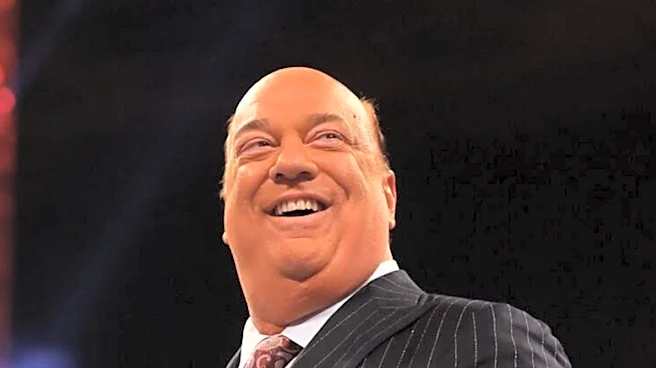
Paul Heyman, a prominent figure in professional wrestling for over three decades, is recognized for his significant contributions as a manager and promoter. His career began in the 1980s as 'Paul E. Dangerously' in WCW, where he managed notable wrestlers
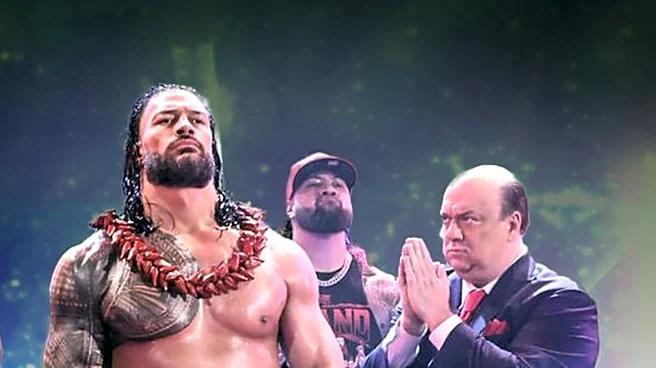
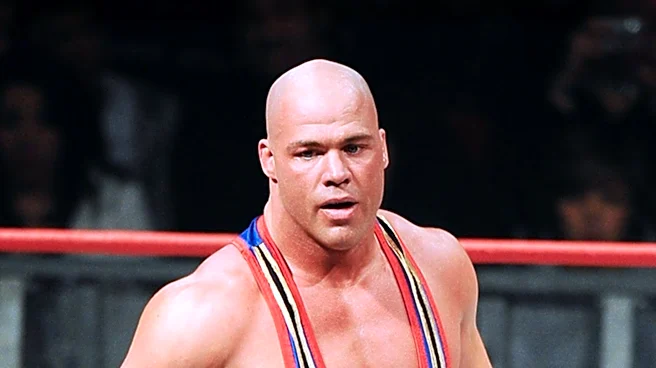
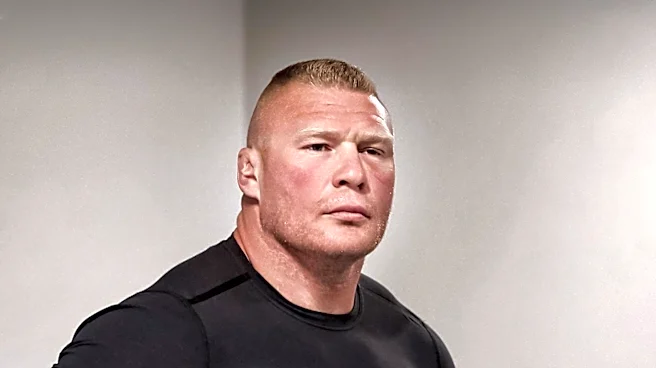
such as Rick Rude and Steve Austin. In 1993, Heyman founded Extreme Championship Wrestling (ECW), a promotion that revolutionized the wrestling industry with its hardcore style and launched the careers of stars like The Sandman, Sabu, and Rob Van Dam. Following ECW's bankruptcy in 2001, Heyman transitioned to WWE, continuing his role as a manager and creative force. He has since managed high-profile wrestlers including Brock Lesnar, CM Punk, Big Show, and Kurt Angle. Currently, Heyman is associated with 'The Bloodline' faction in WWE, solidifying his reputation as one of the most influential managers in professional wrestling history.
Why It's Important?
Paul Heyman's career is important to the professional wrestling industry due to his innovative approach and ability to identify and elevate talent. His work with ECW in the 1990s introduced a grittier, more adult-oriented style of wrestling that significantly impacted the landscape of the sport, influencing larger promotions like WWE and WCW. This shift helped broaden wrestling's appeal and pushed creative boundaries. In WWE, his managerial prowess has consistently enhanced the careers of top-tier athletes, making them more compelling characters and drawing larger audiences. His strategic mind and eloquent speaking ability have made him a valuable asset, contributing to major storylines and championship reigns. Heyman's enduring presence and adaptability across different eras and promotions underscore his critical role in shaping the narrative and commercial success of professional wrestling.
What's Next?
As Paul Heyman continues his association with 'The Bloodline' in WWE, his future involvement will likely center on the ongoing storylines and character development within this prominent faction. His role as a manager often dictates the direction and intensity of the wrestlers he represents, suggesting continued high-profile appearances and strategic contributions to major events. Given his history of adapting to evolving wrestling landscapes, Heyman is expected to remain a key figure in WWE's creative plans, potentially guiding new talent or continuing to elevate established stars. His influence could also extend to behind-the-scenes roles, leveraging his extensive experience to shape future programming and talent development, ensuring his legacy continues to impact the sport.
Beyond the Headlines
Beyond his direct managerial duties, Paul Heyman's career highlights a deeper aspect of professional wrestling: the art of character development and narrative construction. His ability to craft compelling personas and deliver captivating promos has consistently elevated the perceived stakes of matches and rivalries. This skill transcends mere management, positioning him as a master storyteller within the sports entertainment genre. His influence extends to the psychological warfare inherent in wrestling, where words can be as impactful as physical maneuvers. Heyman's career also serves as a case study in resilience and adaptability, having navigated the collapse of ECW to become an even more prominent figure in WWE, demonstrating the importance of strategic vision and charisma in a highly competitive industry.