





What's Happening?
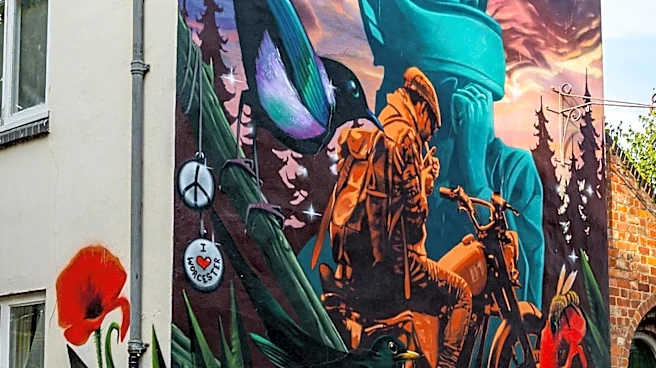
Lowbrow is an art movement that originated in Los Angeles in the 1970s, also known as Pop Surrealism. This movement combines elements from underground comics, punk music, hot rod culture, and other subcultures, often characterized by humor and irony.
The term 'lowbrow' itself was initially derogatory, referring to individuals with less refined intellectual or artistic tastes. Key figures like Ed 'Big Daddy' Roth, creator of Rat Fink, and pinstriper Von Dutch established the visual grammar in the 1960s, while Zap Comix, launched in 1968 with Robert Crumb, contributed an irreverent narrative style. Painter Robert Williams, who worked with Roth and contributed to Zap Comix, began applying traditional oil-painting techniques to this imagery, solidifying the movement's distinct style.
Why It's Important?
The Lowbrow art movement is significant because it challenged traditional art hierarchies by elevating imagery from popular culture and subcultures into fine art. This movement democratized art, making it more accessible and relatable to a broader audience who might not connect with conventional art forms. By blending humor and irony with technical skill, Lowbrow artists created a unique visual language that reflected the counter-cultural sentiments of its time. Its emergence from specific Southern California subcultures—hot rod, surf, tiki, tattoo, and underground comix—demonstrates how regional cultural phenomena can evolve into influential artistic movements, broadening the scope of what is considered legitimate art and influencing subsequent generations of artists.
What's Next?
The continued recognition and evolution of Lowbrow art suggest its lasting impact on the art world. As the movement gains more institutional acceptance, it is likely to be further explored in academic studies, museum exhibitions, and art market analyses. Contemporary artists may continue to draw inspiration from its blend of pop culture, surrealism, and humor, leading to new interpretations and hybrid art forms. The ongoing dialogue between 'high art' and 'low art' will likely be influenced by Lowbrow's legacy, pushing boundaries and encouraging a more inclusive definition of artistic expression. Collectors will continue to seek out works from pioneering Lowbrow artists, further solidifying its place in art history.
Beyond the Headlines
Beyond its artistic merits, the Lowbrow movement reflects a broader cultural shift in how society perceives and values different forms of expression. Its origins in subcultures highlight the power of grassroots movements to challenge established norms and create new cultural paradigms. The initial derogatory label of 'lowbrow' and its eventual embrace by the art world underscore the dynamic and often contentious nature of artistic validation. This movement also raises questions about authenticity, commercialism, and the role of humor and irony in social commentary. Lowbrow art serves as a testament to the idea that meaningful artistic expression can emerge from unexpected places, often from the fringes of mainstream culture, offering a unique lens through which to understand societal values and artistic evolution.