
What's Happening?
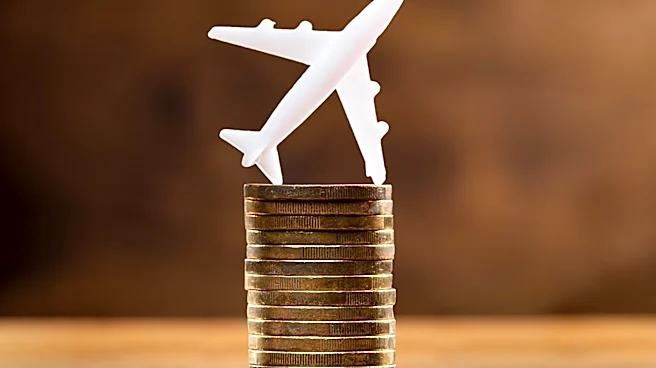
Holiday airfares in the U.S. have reached a 10-year high, with domestic round-trip Thanksgiving flights averaging $402, a 31% increase from 2025, and Christmas fares up 23% to an average of $452, according
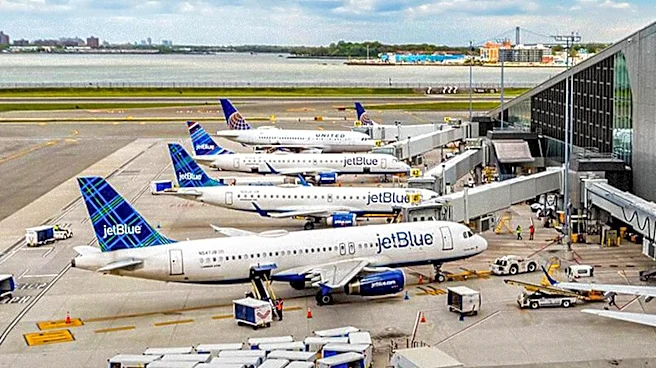
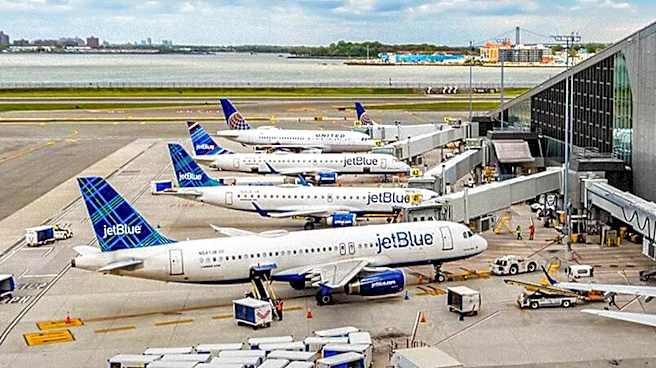
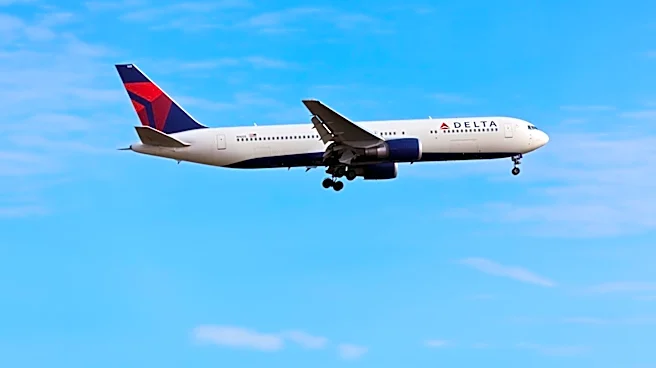
to Hopper's 2026 Holiday Travel Index. This surge is primarily attributed to elevated jet fuel prices, which represent the second-largest cost for most carriers after labor. Delta Air Lines, as reported after its third-quarter results, saw its jet fuel costs rise by 60%, an increase of $1.6 billion from the previous year. Delta CEO Ed Bastian stated in July that the airline expected to pass nearly 100% of these higher fuel costs onto customers in the third quarter, resulting in a 15% increase in revenue per seat mile. Bastian noted that the market has 'accepted these price points,' suggesting that higher fares could persist even if fuel prices decline, provided demand remains strong. Other major carriers, including American, United, and Southwest, have also contributed to the tightening supply and increased prices by cutting less profitable routes.
Why It's Important?
The significant increase in holiday airfares has a direct impact on American consumers and the travel industry. Travelers are facing the most expensive holiday travel season in a decade, potentially altering vacation plans and spending habits. For airlines, the ability to pass on increased fuel costs to customers, as demonstrated by Delta, indicates strong consumer demand and pricing power within the industry. This trend suggests that airlines are prioritizing higher fares over fuller planes, a strategy that has led to a 22.4% increase in U.S. airfares in September compared to a year earlier, according to the Bureau of Labor Statistics. The sustained high demand, even with elevated prices, highlights the resilience of the travel sector and consumers' willingness to absorb additional costs for travel experiences. This situation also underscores the vulnerability of airline profitability to volatile fuel prices, despite efforts to mitigate these costs through fare adjustments.
What's Next?
As the holiday season approaches, Hopper anticipates that airfare and hotel prices will continue to rise, and availability will decrease. This trend suggests that last-minute deals, particularly for flights alone, will be scarce. Travel experts, such as DaShawna Carpenter, owner of Skyy Travel Mavens, note that traditional shopping holidays like Black Friday are becoming less effective for securing deep travel discounts, often serving more as marketing campaigns. Travel Tuesday, however, may offer more bundled deals, combining airfare with lodging and other extras. Travelers are advised to compare prices against normal rates rather than relying on advertised discounts, as promotional prices may only bring surge-priced rooms back to previous year's rates. The industry's reliance on 'buy now, pay later' services like Klarna, Afterpay, and Affirm is also expected to continue making travel more accessible, even for price-sensitive consumers, potentially sustaining demand despite high costs.
Beyond the Headlines
The current landscape of high holiday travel costs reveals a deeper shift in consumer behavior and airline strategy. The observation that the market has 'accepted these price points' suggests a potential long-term recalibration of what consumers are willing to pay for travel, possibly influenced by pent-up demand and the perceived value of experiences post-pandemic. This could lead to a sustained period of higher average airfares, even if external cost pressures like fuel prices ease. Furthermore, the emphasis on bundled deals during sales events like Travel Tuesday indicates a strategic move by the travel industry to maximize revenue by offering comprehensive packages rather than standalone flight discounts. This approach could make it more challenging for consumers to find individual flight bargains and may encourage a shift towards package-based travel planning. The continued strength of travel demand, despite economic pressures, also points to travel becoming a more prioritized expenditure for many households, potentially at the expense of other discretionary spending.