







What's Happening?
Zingerman’s Candy Manufactory, an Ann Arbor, Michigan-based small-batch confectionery, has announced a new partnership with Conexión Chocolate from Ecuador. This collaboration signifies a joint effort between two women-owned businesses to make a global
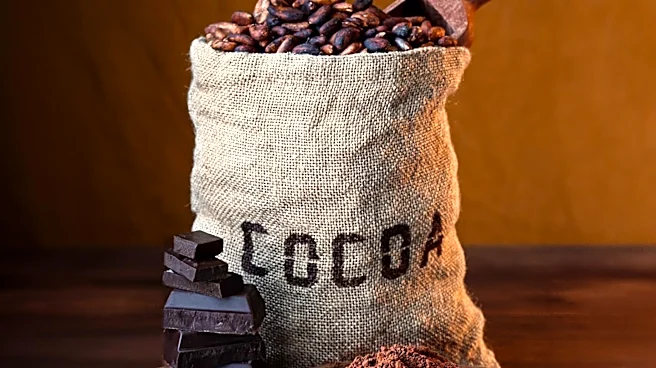
impact on ethical and sustainable chocolate production. Conexión Chocolate, founded by Jenny Samaniego, works directly with cacao farmer cooperatives in Ecuador and produces its chocolate within the country, a practice that is becoming increasingly rare in an industry dominated by large corporations. This model helps preserve the single-origin fine flavor of the cacao while simultaneously supporting the local Ecuadorian economy. Conexión also educates growers on agroforestry best practices, which are designed to protect the environment and the communities living within those areas. Jamie LeBoeuf, the new managing partner of Zingerman’s Candy, emphasized that the partnership is driven by the high quality of Conexión’s cacao and their shared values regarding business practices. Zingerman’s Candy will utilize both dark and milk chocolate from Conexión, which maintains a U.S. warehouse in Traverse City, Michigan.
Why It's Important?
This partnership is significant for several reasons, particularly within the U.S. business landscape and the broader ethical sourcing movement. For Zingerman’s Candy, it reinforces their commitment to premium ingredients and handmade techniques, allowing them to elevate classic American confections with ethically sourced, high-quality chocolate. This move could set a new standard for other U.S. confectioneries, encouraging them to consider more sustainable and equitable sourcing practices. The collaboration also highlights Michigan's emerging role as a hub for women-owned companies leading in sustainable chocolate sourcing, potentially attracting more businesses and investment into the state's agricultural and food processing sectors. For consumers, this means access to chocolate products that not only taste good but also align with ethical values, supporting fair labor practices and environmental stewardship. This trend reflects a growing consumer demand for transparency and sustainability in the food industry, which can influence purchasing decisions and market trends across the U.S.
What's Next?
Zingerman’s Candy will integrate Conexión Chocolate’s products into its array of confections, continuing its focus on small-batch production without shortcuts or preservatives. The company plans to host a public 'Meet the Maker' talk-and-tasting event with Conexión, providing consumers with an opportunity to learn more about the ethical sourcing process and taste the results. Jamie LeBoeuf, now leading Zingerman’s Candy as an independent business within the Zingerman’s Community of Businesses, will continue to leverage premium ingredients and handmade techniques to enhance their product offerings. This partnership could inspire other U.S. food businesses to seek out similar ethical sourcing collaborations, potentially leading to a broader shift in supply chain practices across the industry. The success of this model could also encourage more direct trade relationships between U.S. companies and international producers, fostering economic development in cacao-growing regions while meeting consumer demands for sustainable products.
Beyond the Headlines
The partnership between Zingerman’s Candy and Conexión Chocolate extends beyond a simple business transaction; it embodies a commitment to social responsibility and environmental sustainability. By working directly with cacao farmers, Conexión Chocolate bypasses intermediaries, ensuring that a larger share of the profits goes back to the growers and their communities. This direct trade model not only supports local economies but also empowers farmers through education on agroforestry, promoting practices that protect biodiversity and mitigate climate change. The emphasis on women-owned businesses in this collaboration also highlights the increasing recognition of women's leadership in driving sustainable and ethical business practices globally. This initiative could serve as a powerful example of how businesses can achieve commercial success while simultaneously making a positive impact on people and the planet, influencing corporate social responsibility standards and consumer expectations in the U.S. and beyond.