




What's Happening?
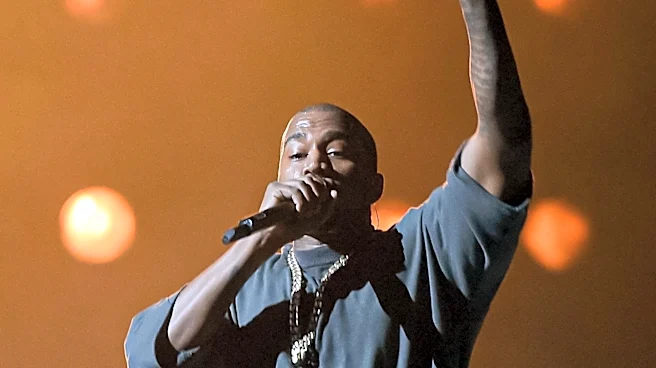
Kirk Franklin recently recounted an unusual offer from Kanye West to produce gospel music anonymously. During a conversation with Nessa on HOT 97, Franklin detailed how West visited his home in 2014, expressing interest in contributing to gospel. West proposed
producing beats without credit, fearing backlash from the Christian community due to his public persona. Franklin, however, rejected the offer, stating that he would not conceal West's involvement, believing it would send a message that West's gift was acceptable but he, as an artist, was not. Despite this initial refusal, the two artists later collaborated publicly on 'Ultralight Beam' from West's 2016 album 'The Life of Pablo' and performed together on 'Saturday Night Live,' drawing criticism from some Christian listeners.
Why It's Important?
This interaction highlights the complex relationship between secular and gospel music, and the challenges artists face when bridging these worlds. Kanye West's concern about Christian community backlash reflects the often-strict expectations placed on artists within religious genres. Kirk Franklin's refusal to accept uncredited work underscores the importance of artistic integrity and recognition, even when facing potential criticism. This event is significant for understanding the cultural and religious sensitivities surrounding collaborations in music, particularly when an artist with a controversial public image seeks to engage with faith-based content. It also sheds light on Franklin's commitment to inclusivity in gospel music, as he has consistently defended his collaborations with artists from diverse backgrounds.
Beyond the Headlines
The incident delves into the broader discussion of authenticity and acceptance within religious communities regarding secular artists. West's offer to remain anonymous suggests a recognition of the potential for judgment, while Franklin's stance champions the idea that artistic talent should be acknowledged regardless of an artist's past or public perception. This dynamic reflects ongoing debates within religious institutions about engaging with contemporary culture and the role of art in spiritual expression. The subsequent public collaborations between West and Franklin, despite initial concerns and criticism, demonstrate a willingness by both artists to push boundaries and challenge conventional notions of who can contribute to gospel music, ultimately fostering a more inclusive, albeit sometimes controversial, dialogue.