




What's Happening?
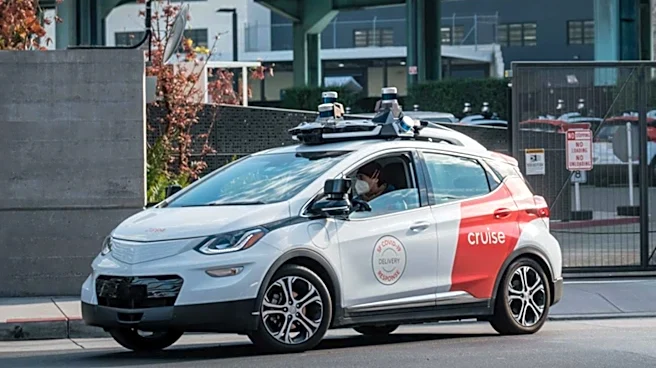
Amazon's autonomous vehicle subsidiary, Zoox, is set to deploy a test fleet of SUVs in San Diego by the end of the month, marking its expansion into the city and Houston. This move coincides with Waymo, Alphabet's self-driving car company, opening its robotaxi
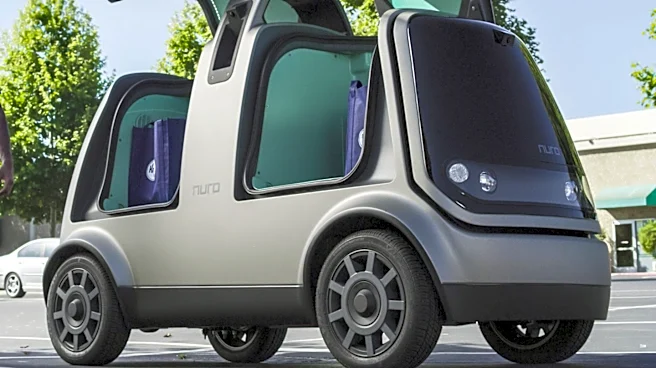
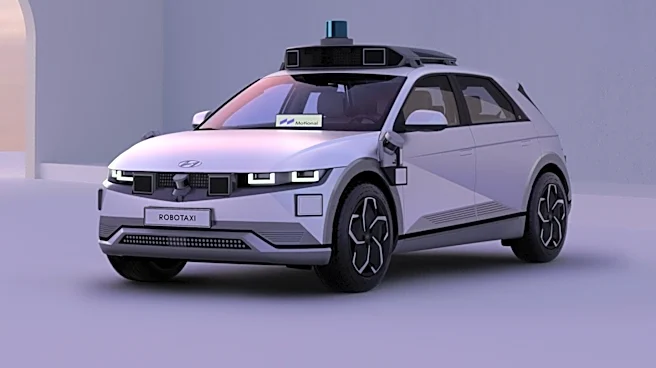
services to the public in San Diego. Zoox's test fleet will initially operate with human safety drivers to map the city, similar to Waymo's previous approach. While the current test vehicles are retrofitted SUVs, Zoox plans to introduce purpose-built, toaster-shaped robotaxis that feature carriage-style seating and sliding glass doors, designed to prioritize rider experience over traditional driving controls.
Why It's Important?
The entry of Zoox into San Diego intensifies the competition in the burgeoning robotaxi market, particularly against established players like Waymo. This expansion signifies a critical step in Amazon's strategy to diversify its services and potentially disrupt the transportation industry. For San Diego, it means an acceleration in the adoption of autonomous vehicle technology, which could lead to significant changes in urban mobility, traffic management, and public transportation infrastructure. However, the rise of robotaxis also raises concerns among traditional taxi and rideshare drivers about job displacement, prompting local officials like City Councilmember Sean Elo-Rivera to voice opposition and advocate for human-operated transportation services.
What's Next?
Zoox's test fleet will operate with human safety drivers for several months to map the city and gather data. Following this testing phase, the company plans to introduce its custom-designed robotaxis. The expansion will also involve building a local depot for vehicle charging and maintenance, which is expected to create new jobs in the area. The California Public Utilities Commission has already approved Waymo for San Diego, and the ongoing debate regarding the broader implications of autonomous vehicles, particularly concerning employment and safety, is likely to continue. Experts from the Insurance Institute for Highway Safety have noted that current data collection systems may not be sufficient for monitoring large-scale expansion of driverless cars.
Beyond the Headlines
The increasing presence of autonomous vehicles like Zoox and Waymo in major U.S. cities like San Diego represents a profound shift in the future of transportation. Beyond the immediate economic and employment impacts, this development raises complex ethical and regulatory questions. The design of Zoox's purpose-built vehicles, which prioritize passenger experience over driver controls, signals a fundamental rethinking of vehicle utility and interior space. This could influence urban design, as cities adapt to a future with fewer privately owned cars and more shared, autonomous fleets. The debate over safety, data privacy, and the societal integration of AI-driven transportation will continue to shape policy and public perception as these technologies become more widespread.