






What's Happening?
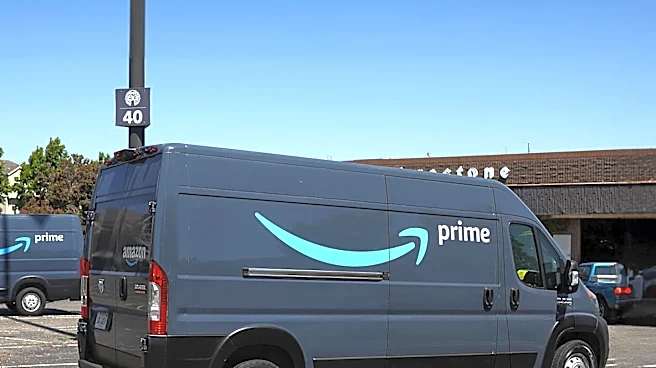
Amazon.com (NasdaqGS:AMZN) is actively opposing New York City's proposed Delivery Protection Act, warning that it may significantly alter or even exit its delivery operations within the city if the current bill is enacted without modifications. The company
has communicated to city officials that the legislation, in its present form, could force it to withdraw from the New York City delivery market. This stance has prompted New York City lawmakers to consider amendments to the Delivery Protection Act, following considerable pushback not only from Amazon but also from other logistics providers. The core of Amazon's concern revolves around how far regulators are willing to push labor models that underpin its extensive logistics network, particularly in a high-volume hub like New York City where delivery rules have a substantial impact on operational efficiency and customer service. The company views this legislative debate as a critical test of regulatory influence over its operational strategies.
Why It's Important?
This development is significant because it highlights a growing tension between major e-commerce companies and local governments over labor regulations and operational costs. For Amazon, New York City represents a crucial market, and any forced changes to its delivery staffing or increased per-order costs could directly impact its financial model. The company's strategy relies on converting substantial investments in AI and infrastructure into high-margin contracts, and increased operational expenses in a key market could undermine this. The outcome in New York City could set a precedent for other municipalities considering similar legislation, potentially influencing labor models and delivery costs across the country. This situation also underscores the broader debate about the gig economy, worker protections, and the economic responsibilities of large corporations in urban environments.
What's Next?
The immediate next steps involve the New York City Council's deliberations on potential amendments to the Delivery Protection Act. Stakeholders will be closely watching whether the City Council adopts changes that might accommodate Amazon's concerns, such as allowing for the continued use of independent operators or alternative delivery services like UPS and USPS. Amazon's future actions will depend on the final form and timing of the legislation. The company may provide quantified guidance on delivery costs per order or regional operating income once the rules are finalized, which would offer further insight into the financial implications. The situation could lead to continued negotiations between Amazon and city officials, or, if an agreement isn't reached, Amazon could indeed scale back or cease its direct delivery operations in New York City, potentially impacting consumers and local businesses.
Beyond the Headlines
Beyond the immediate legislative battle, this situation touches upon deeper implications regarding the future of urban logistics and labor practices in the digital age. If Amazon were to exit New York City deliveries, it could disrupt the local e-commerce ecosystem, potentially leading to increased delivery times or costs for consumers, and creating opportunities or challenges for smaller logistics companies. Ethically, the debate raises questions about corporate responsibility towards workers in the gig economy versus the economic efficiencies sought by large tech companies. Legally, the outcome could influence future court challenges regarding worker classification and benefits. Culturally, it reflects a broader societal discussion about the balance between consumer convenience, corporate profitability, and fair labor practices, potentially shaping public perception of major online retailers and their role in urban economies.