






What's Happening?
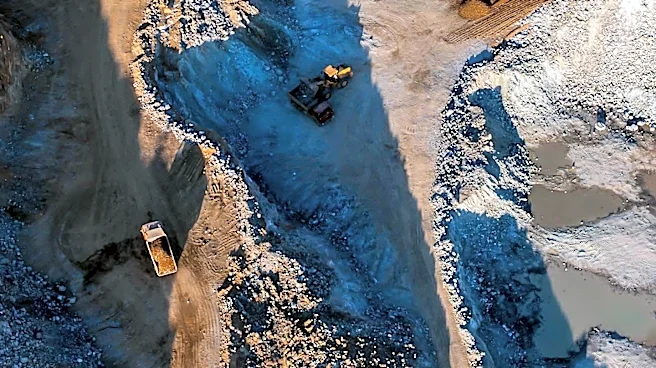
BHP, a major mining company, is undergoing a significant transformation, moving beyond its traditional reliance on iron ore. Copper has emerged as the primary earnings driver, contributing over half of the group's underlying EBITDA for the first time
and surpassing iron ore's contribution in the latest financial year. This shift is supported by strong operational performance across major commodities and a larger copper-focused growth program. While iron ore remains a foundational asset, providing scale and operational stability, BHP's portfolio is increasingly diversifying into commodities linked to electrification, infrastructure, and industrial development. The company reported record copper EBITDA, producing approximately two million tonnes of copper, primarily from operations like Escondida and Copper South Australia. BHP's strategy includes a broader copper pipeline with projects and development options in Chile, South Australia, and other regions, extending well into the next decade.
Why It's Important?
This strategic diversification by BHP holds significant implications for the global mining sector and the U.S. economy, particularly concerning the supply of critical minerals. As the world transitions towards electrification and renewable energy, demand for copper is projected to surge due to its essential role in electric vehicles, charging infrastructure, and renewable energy systems. BHP's increased focus on copper positions it to capitalize on this growing demand, potentially stabilizing global copper prices and ensuring a more reliable supply for U.S. industries. The shift also highlights the evolving landscape of commodity markets, where traditional bulk commodities like iron ore are being complemented by 'future-facing' commodities. For U.S. manufacturers and technology companies, a diversified and robust supply of copper is crucial for innovation and production, reducing reliance on single-source suppliers and mitigating supply chain risks. This move also reflects a broader industry trend towards sustainability and meeting the resource needs of a greener economy.
What's Next?
BHP plans to allocate more than half of its expected medium-term capital expenditure towards copper growth projects, indicating a clear prioritization of this commodity. The Jansen potash project in Canada is also progressing towards production, further diversifying BHP's portfolio into agricultural inputs. This multi-commodity strategy aims to make the overall portfolio less dependent on the performance of any single commodity cycle. The company will continue to focus on operational efficiency, utilizing technology, automation, and advanced analytics to improve productivity across its assets. The performance of BHP's established operations will remain crucial, as they provide the cash flows necessary to fund these new developments. Market conditions, including commodity prices and global economic concerns, will continue to influence BHP's future results, particularly the interaction between copper prices, production volumes, and the progress of major growth projects.
Beyond the Headlines
BHP's transformation signifies a fundamental reorientation of a mining giant towards the demands of the 21st-century economy. The emphasis on copper and potash reflects a strategic pivot from traditional industrial inputs to resources critical for global electrification, food security, and sustainable development. This move is not merely about financial returns but also about aligning with global megatrends, including climate change mitigation and population growth. The increased investment in copper could accelerate the transition to renewable energy and electric vehicles, impacting various sectors from automotive to construction. Furthermore, the Jansen potash project underscores the growing importance of agricultural inputs, addressing global food security concerns. This diversification strategy could serve as a blueprint for other mining companies, influencing investment patterns and resource allocation across the industry, and potentially leading to a more resilient and diversified global supply of essential raw materials.