







What's Happening?
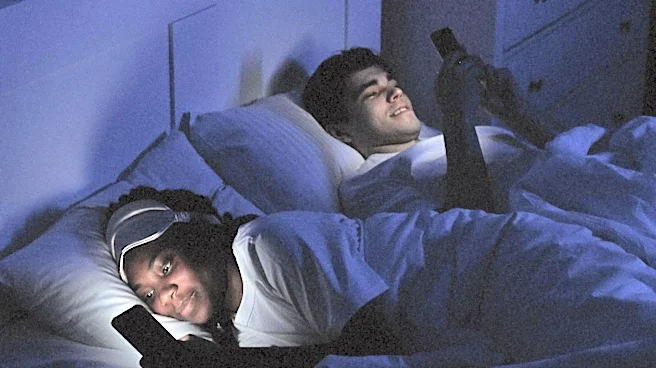
Dave Balachandran, M.D., medical director of UT MD Anderson’s Sleep Center, indicates that while blue light from screens and other sources can suppress melatonin production and disrupt circadian rhythms, the effectiveness of blue light filters, dimming
modes, and blue-light-blocking glasses in improving sleep quality is not strongly supported by current research. Blue light, with wavelengths between 400 and 450 nanometers, activates retinal cells that signal the pineal gland to halt melatonin release, essentially tricking the brain into thinking it's daytime. However, Dr. Balachandran notes that the intensity of light and the stimulating activity performed on devices are also significant confounders. He states that research on blue light filters is 'very mixed' and that there are no 'really strong studies' definitively proving their efficacy. The best strategy for better sleep, he advises, is to avoid screens at least 30 minutes before bedtime and practice comprehensive sleep hygiene.
Why It's Important?
This information is crucial for consumers who rely on blue light filters or glasses as a quick fix for sleep problems, as it suggests these solutions may not be as effective as marketed. It highlights the complexity of sleep regulation, emphasizing that factors beyond just blue light, such as light intensity and mental stimulation from device use, play a significant role. For the technology and wellness industries, this insight challenges the marketing claims of many blue-light-blocking products and encourages a more nuanced approach to promoting sleep health. It underscores the need for evidence-based solutions and shifts the focus back to fundamental sleep hygiene practices, which are often overlooked in favor of technological interventions.
What's Next?
Given the mixed research, consumers should prioritize established sleep hygiene practices over relying solely on blue light filters. This includes avoiding all screens for at least 30 minutes before bed, turning off LED lights an hour before sleep, and ensuring a completely dark bedroom. Dr. Balachandran also recommends using the bedroom only for sleep and sex, maintaining a consistent sleep schedule, avoiding caffeine after noon, and keeping the bedroom cool. Further research may be needed to definitively assess the impact of various blue light filtering technologies, but for now, a holistic approach to sleep health is recommended.
Beyond the Headlines
The discussion around blue light filters and sleep quality reflects a broader societal tendency to seek technological solutions for health issues that may require behavioral changes. The allure of a simple fix, such as wearing special glasses or activating a screen setting, can overshadow the more challenging but often more effective commitment to lifestyle adjustments. This situation also raises questions about consumer education and the responsibility of manufacturers and marketers to present scientific evidence accurately. Ultimately, it reinforces the idea that optimal health often stems from a combination of environmental control, mindful habits, and a deep understanding of the body's natural rhythms, rather than singular product-based interventions.