






What's Happening?
S&P Global Ratings has revised its outlook on Meta Platforms to negative from stable, citing uncertainties surrounding the company's extensive AI spending plans and their potential impact on future cash generation. This revised assessment raises questions
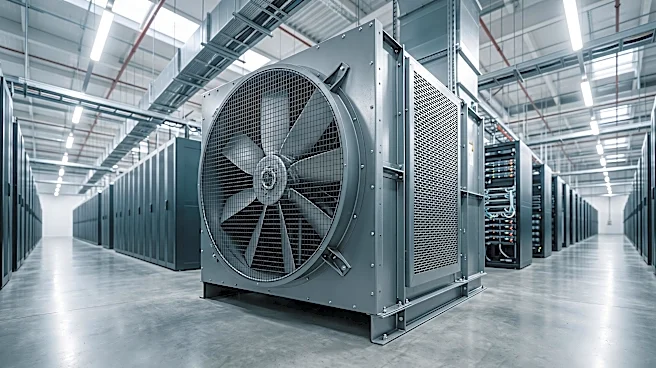
about Meta's ability to moderate its capital investments as it pursues a multiyear expansion of its AI infrastructure. S&P noted that the significant spending program complicates the assessment of when investment levels might ease and how much free operating cash flow Meta can preserve. The agency also highlighted an increase in Meta's financial leverage, which climbed from approximately 0.1 times in 2025. Much of this increase is attributed to leasing data center capacity for projects named Beignet and Sopaipilla, rather than taking on new debt. This indicates that contractual commitments are a primary factor in the rising leverage. Meta's shares slipped 0.5% in morning trading following the announcement.
Why It's Important?
This outlook change from S&P Global Ratings brings increased scrutiny to the financial demands of Meta's aggressive AI expansion. It underscores concerns about the company's capacity to balance substantial infrastructure commitments with its ability to generate cash and maintain financial flexibility. For investors, the negative outlook signals potential risks related to Meta's credit profile and future profitability, especially if the return on these massive AI investments remains unclear or takes longer than anticipated to materialize. The shift also highlights a broader market concern regarding the capital intensity of the AI arms race, where companies are pouring vast resources into infrastructure without immediate, clear monetization pathways. This could influence investor sentiment towards other tech giants engaged in similar large-scale AI buildouts, potentially leading to a re-evaluation of their financial health and investment strategies.
What's Next?
Meta will likely face continued pressure to demonstrate a clear path to monetizing its substantial AI investments and to provide more transparency regarding its capital expenditure plans. The company's ability to articulate how these investments will translate into sustainable revenue and improved cash flow will be crucial in addressing investor and rating agency concerns. S&P's negative outlook could prompt Meta to re-evaluate the pace or scale of its AI infrastructure buildout, or to explore alternative financing strategies. Future earnings calls and investor presentations will be closely watched for updates on capital allocation, AI product monetization, and any adjustments to financial guidance. The market will also be looking for signs of whether Meta can effectively manage its increasing financial leverage, particularly that stemming from long-term leasing commitments for data centers.
Beyond the Headlines
The situation with Meta reflects a broader industry trend where major technology companies are engaging in an intense 'AI arms race,' characterized by massive capital outlays for computing power and infrastructure. This race is shifting from a focus on technological advancement to a direct competition for capital, as evidenced by Meta's own SEC filings noting that large capital raises by competitors are diminishing the pool of available market capital. The reliance on leasing for data center capacity, as highlighted by S&P, also points to evolving financial strategies in managing these enormous infrastructure costs, potentially shifting liabilities off traditional balance sheets but still creating significant contractual commitments. This could set a precedent for how other capital-intensive tech expansions are financed and evaluated, raising questions about the true extent of financial obligations and their long-term impact on corporate stability and profitability in the AI era.