







What's Happening?
A movement known as 'Make America Healthy Again' (MAHA) is pushing for restrictions on the use of Supplemental Nutrition Assistance Program (SNAP) benefits to purchase certain processed or sugary products. This initiative is creating significant challenges
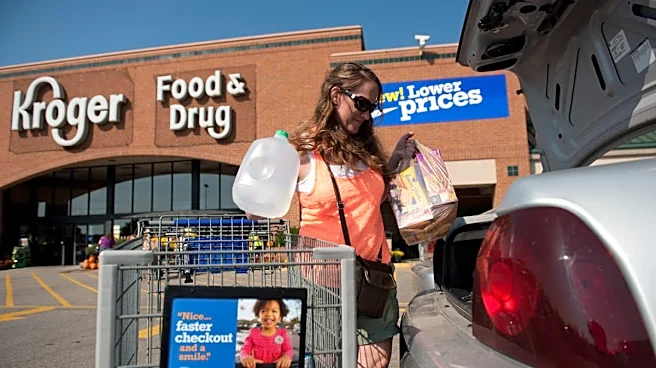
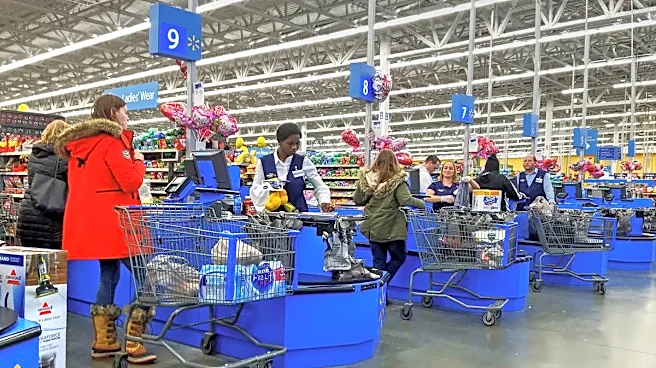
for major U.S. food and beverage companies such as Hershey and Kraft Heinz, as well as large grocery retailers like Kroger and Walmart. The movement is gaining traction and is being codified into U.S. law, which could significantly impact how these companies market and sell their products to SNAP beneficiaries.
Why It's Important?
The potential restrictions on SNAP benefits could have wide-ranging implications for the food and beverage industry. Companies that rely heavily on sales of processed and sugary products may see a decrease in revenue if SNAP recipients are no longer able to purchase these items. This could lead to a shift in marketing strategies and product offerings as companies adapt to the new regulations. Additionally, the changes could influence public health by encouraging healthier eating habits among SNAP beneficiaries, potentially reducing healthcare costs associated with diet-related diseases.
What's Next?
As the MAHA movement continues to gain momentum, food and beverage companies may need to reformulate products or develop new lines that comply with the proposed restrictions. Retailers might also need to adjust their inventory and marketing strategies to align with the new regulations. Policymakers will likely continue to debate the specifics of the restrictions, and companies may lobby for more favorable terms. The outcome of these discussions will determine the future landscape of SNAP benefit usage and its impact on the food industry.