



What's Happening?
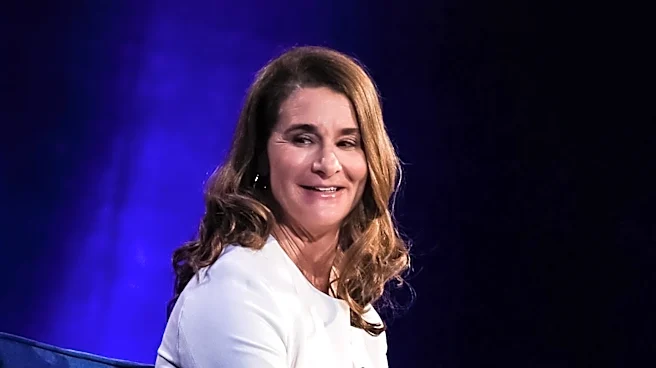
Melinda French Gates' philanthropic organization, Pivotal, launched the $240 million Global Leaders program in 2024, distributing $20 million each to 12 luminaries, including Dr. Alfiee Breland-Noble, without specific requirements other than donating
the money by the end of 2026. This initiative is part of French Gates' broader commitment to donate $1 billion to support women and girls, addressing the fact that nonprofits focused on these issues receive only about 2% of U.S. philanthropic funding. Dr. Breland-Noble, founder of The AAKOMA Project, created The MATTIE Fund to distribute her $20 million, supporting both established groups like the Asian Mental Health Collective and lesser-known organizations such as BackSpinz Music Academy and Daddy Stroller Social Club. According to Pivotal, 91% of the donations went to organizations not previously funded by them, with an average grant of approximately $240,000.
Why It's Important?
This trust-based philanthropy model is significant for the U.S. nonprofit sector and broader social impact initiatives. By empowering diverse leaders like Dr. Breland-Noble to direct funds, French Gates is expanding who makes decisions about philanthropic funding, potentially leading to more equitable and impactful distribution. This approach can reach organizations and causes that might otherwise be overlooked by traditional funding mechanisms, particularly those serving marginalized communities or addressing niche needs. The high percentage of funds going to new recipients demonstrates the program's success in broadening the philanthropic landscape. This model could inspire other major donors and foundations to adopt similar trust-based approaches, fostering innovation and strengthening the capacity of a wider array of nonprofits to address critical social issues, especially those related to women and girls' empowerment and mental health.
What's Next?
Pivotal's chief strategy officer, Haven Ley, announced that a final report on the Global Leaders program will be released next year. Pivotal is actively exploring ways to build on this successful initiative and encourage other donors to adopt similar trust-based philanthropy models. The program's success in reaching diverse organizations and demonstrating impact suggests a potential shift in philanthropic strategies, moving towards greater decentralization and empowerment of community leaders. The experiences of leaders like Dr. Breland-Noble, who actively sought out new and impactful organizations, will likely inform future philanthropic endeavors. This model could lead to increased funding for grassroots organizations and innovative projects that are closer to the communities they serve, potentially creating a more responsive and effective philanthropic ecosystem.
Beyond the Headlines
The Global Leaders program challenges conventional philanthropic practices by prioritizing trust and flexibility over rigid requirements. This approach not only empowers individual leaders but also implicitly critiques the traditional power dynamics in philanthropy, where donors often dictate terms and outcomes. By allowing leaders to identify and support organizations based on their firsthand knowledge and community connections, the program fosters a more organic and responsive form of social investment. This could lead to a more resilient and diverse nonprofit sector, better equipped to address complex societal challenges. Furthermore, the focus on supporting women and girls, particularly in areas like mental health, highlights the critical need for targeted funding in underrepresented sectors, potentially sparking broader conversations about equity and inclusion in philanthropic giving.