




What's Happening?
Indonesian exporters are at risk of facing increased import duties from the European Union starting January 1, due to delays in the ratification of a comprehensive economic partnership agreement (CEPA). The agreement, signed by Trade Minister Budi Santoso
and EU Trade Commissioner Maros Sefcovic on November 21, requires consent from the European Parliament before it can be provisionally applied. This delay means Indonesia will exit the EU's generalized scheme of preferences (GSP) on December 31, leading to higher tariffs on approximately 30% of its exports to the EU. The European Commission indicated that provisional application is likely in early 2027, a timeline that conflicts with Jakarta's expectation of the deal being in force by January 1. EU parliamentary members have stated that a vote on consent cannot realistically occur before the GSP cut-off date, and no legal mechanism exists to extend the GSP facility.
Why It's Important?
The potential imposition of higher EU duties could significantly impact Indonesian exporters, particularly those in sectors like textiles, garments, and footwear, which currently benefit from lower GSP duties. While the CEPA aims to eventually reduce duties on these products to zero, the interim period of higher tariffs could disrupt trade flows and increase costs for Indonesian businesses. The EU is a significant trading partner for Indonesia, with goods trade reaching €28.9 billion in 2025. The Commission projects the deal to boost Indonesian exports to the EU by over 14% in 15 years and save EU exporters more than €600 million annually in duties. The delay in ratification also highlights potential complexities in international trade agreements, where domestic legislative processes can create unforeseen gaps and challenges for trading partners.
What's Next?
Indonesia's Trade Minister Budi Santoso has indicated that Jakarta is not planning for a gap in trade preferences and is pushing for ratification to be completed by mid-December. The Indonesian government has consulted its House of Representatives on ratifying the agreement via presidential regulation to expedite the process, potentially bypassing a full parliamentary bill. However, Indonesian law typically requires a statute for treaties that establish new legal norms, which could prolong the ratification process. The European Parliament will need to vote on the agreement, but MEPs have already raised concerns, particularly regarding palm oil. The Parliament can either approve or reject the agreement but cannot amend it, meaning the current text will either be accepted or sent back to the drawing board.
Beyond the Headlines
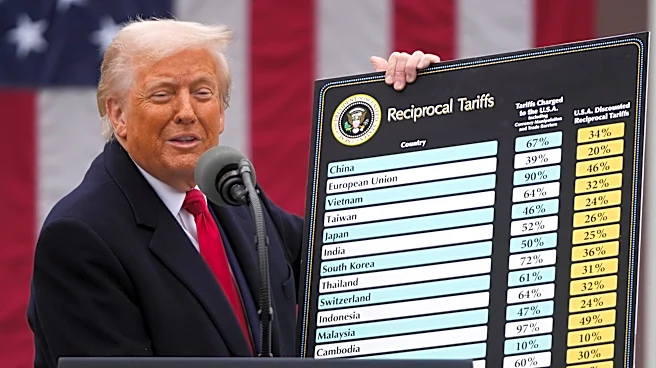
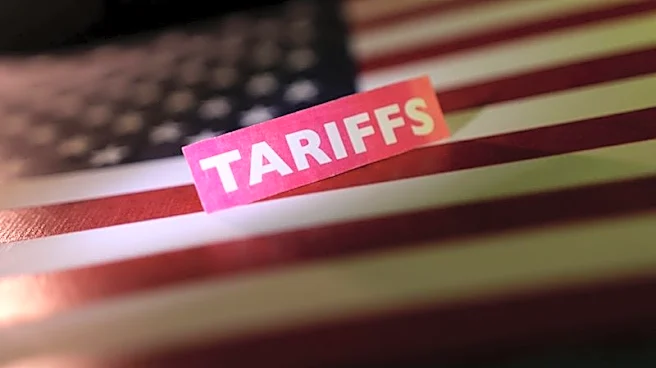
The situation underscores the intricate balance between trade policy objectives and domestic political and legislative realities. The EU's stance on palm oil, a key Indonesian export, remains a contentious issue, with the deal not lifting the EU's phase-out of palm oil in transport fuel or its anti-subsidy duties on Indonesian biodiesel. This highlights broader environmental and sustainability concerns influencing trade negotiations. Furthermore, the reliance of Indonesian garment producers on raw materials from China raises questions about the effectiveness of rules of origin in trade agreements, potentially limiting the benefits for some sectors. The imposition of a 10% Section 301 tariff by Washington on selected Indonesian goods also adds another layer of complexity to Indonesia's international trade landscape, indicating a multifaceted global trade environment.