




What's Happening?
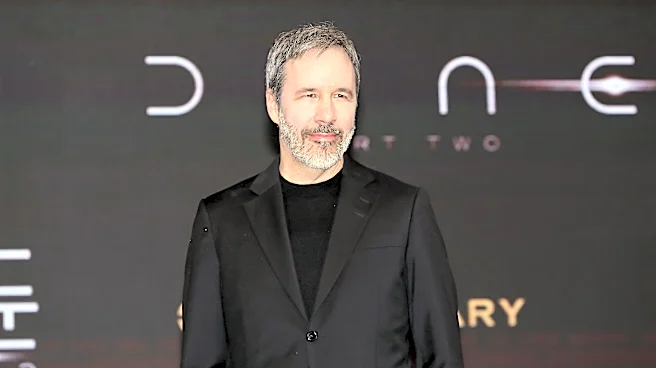
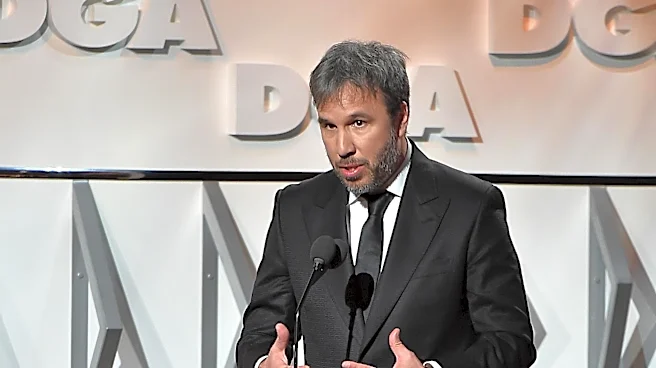
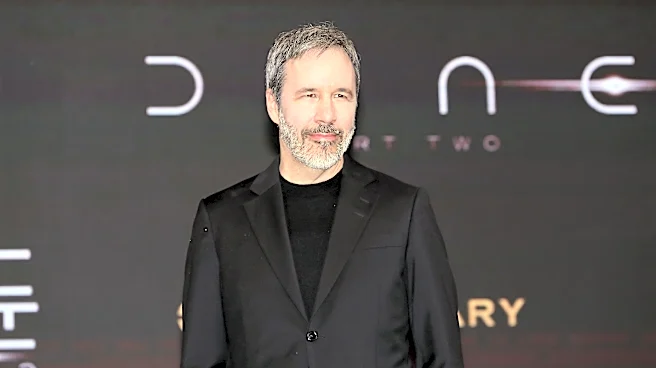
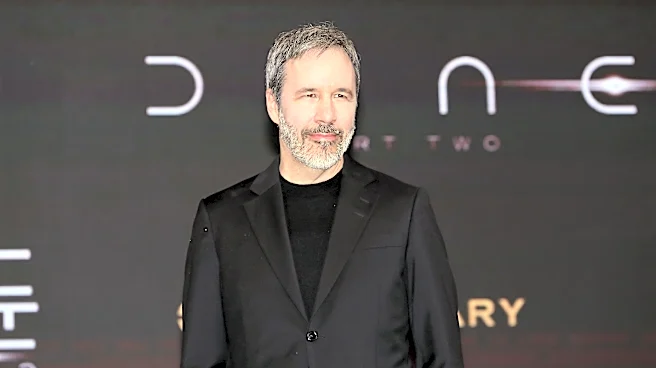
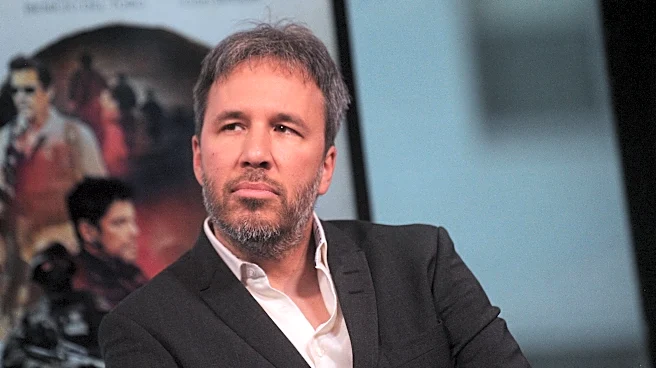
Director Denis Villeneuve has clarified his approach to adapting Frank Herbert's 'Dune' series for the screen, particularly concerning the upcoming 'Dune: Part Three.' Villeneuve stated that his films are 'inspired by the book, with tremendous respect,'
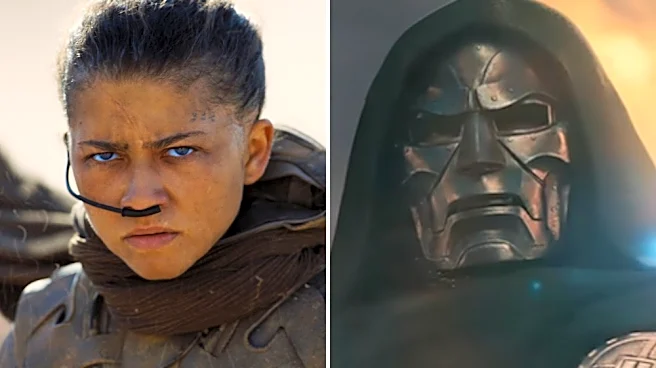
rather than direct translations. He emphasized that adaptation involves making choices, and his trilogy focuses on the Bene Gesserit angle due to its cinematic potential. This explanation comes as 'Dune: Part Three,' set to premiere on December 18, 2026, faces scrutiny from 'book purists' who have criticized previous installments for deviations from the source material. Villeneuve defended his decision to title the film 'Dune: Part Three' instead of 'Dune Messiah,' noting that the latter book is a 'complex, paranoid' chamber piece that required significant adaptation, including expanding a single sentence into a 15-minute battle sequence. The film is positioned as the finale for the Dune trilogy and features a star-studded cast including Timothée Chalamet, Zendaya, Jason Momoa, Robert Pattinson, Florence Pugh, and Anya Taylor-Joy.
Why It's Important?
Villeneuve's comments are significant for the film industry as they highlight the ongoing tension between source material fidelity and creative adaptation in major cinematic franchises. His stance underscores a director's artistic license, asserting that a film adaptation is a distinct artistic work inspired by, but not beholden to, its literary origin. This perspective can influence how future adaptations of popular books are approached, potentially encouraging more interpretive freedom for filmmakers. For audiences, particularly fans of the 'Dune' novels, this clarifies what to expect from the final installment, managing expectations regarding faithfulness to every plot point and character. The film's release date, shared with Marvel's 'Avengers: Doomsday,' also sets up a significant box office showdown, making Villeneuve's confidence in his film's potential crucial for its commercial success and cultural impact in a competitive market.
What's Next?
As 'Dune: Part Three' approaches its December 18, 2026 release, further discussions and promotional materials are expected to continue shaping public perception. Villeneuve's proactive engagement with criticisms from book purists suggests a strategy to manage fan expectations and frame the film as a distinct cinematic vision. The film's performance at the box office will be closely watched, especially given its direct competition with 'Avengers: Doomsday,' which could influence future studio scheduling decisions for major releases. The critical reception of 'Dune: Part Three' will also be a key factor in determining the legacy of Villeneuve's trilogy and its place within the science fiction genre. Audiences can anticipate more details about the film's narrative choices and visual spectacle as the premiere date draws nearer, further elaborating on how Villeneuve has interpreted Frank Herbert's complex universe.
Beyond the Headlines
The debate surrounding Villeneuve's adaptation choices for 'Dune' extends beyond mere plot points, touching upon fundamental questions of artistic interpretation and the nature of adaptation itself. His assertion that 'when you adapt, you kill' speaks to the transformative process inherent in translating one medium to another, suggesting that a faithful adaptation is not necessarily a literal one. This philosophical approach challenges the notion that adaptations must strictly adhere to their source material, instead advocating for a creative reinterpretation that serves the new medium. This discussion has broader implications for intellectual property in entertainment, influencing how creators balance respect for original works with the need for fresh artistic vision. The success or controversy surrounding 'Dune: Part Three' could further solidify or challenge prevailing attitudes towards adaptation, potentially setting new precedents for how beloved literary works are brought to the screen in an era of increasingly vocal fan communities.