







What's Happening?
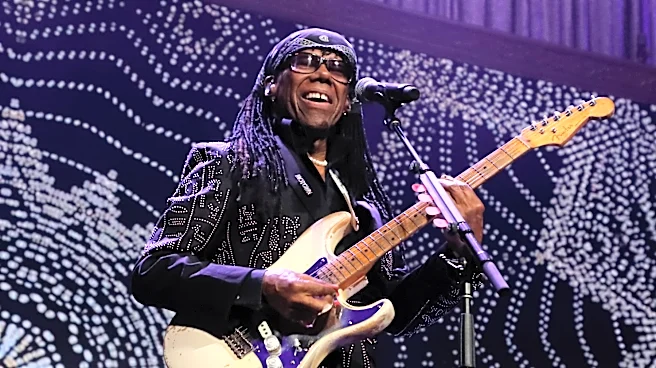
Nile Rodgers, the frontman of Chic, has publicly defended his decision to use artificial intelligence in the creation of his new music video for the 2020 charity song, 'The Christmas Song.' Rodgers openly shared his process on Instagram, detailing his intention
to create an 'AI me' for the video and expressing excitement for the final product. Teasers released by Rodgers show collaborator Rebecca Ferguson in a glittery gown on stage, accompanied by Rodgers and a large furry creature, with an audience of furry animals. The visual style, particularly a title card, has been described as having an 'uncanny-valley' appearance, leading to disappointment among fans. Rodgers has engaged with critics in the comments section of his Instagram posts, arguing that the AI was used as a tool to execute their creative vision, similar to traditional filmmaking, and significantly reduced production costs. He also pointed out the hypocrisy of critics who use AI in their daily lives through services like Google or navigation apps.
Why It's Important?
This development highlights the growing tension and debate within the music and creative industries regarding the ethical and practical implications of artificial intelligence. Rodgers' defense underscores a perspective that views AI as a cost-effective and versatile tool for artistic expression, capable of bringing complex visual concepts to life that might otherwise be financially prohibitive. The backlash from fans, however, reflects broader concerns about AI's potential to displace human artists, its reliance on existing artistic works for training data, and the perceived lack of authenticity in AI-generated content. This incident contributes to the ongoing discussion about intellectual property rights, the future of creative labor, and the evolving definition of artistry in an age of advanced technology. The debate also touches upon the accessibility of high-quality production for artists with limited budgets, suggesting AI could democratize certain aspects of content creation.
What's Next?
The release of Nile Rodgers' full music video for 'The Christmas Song' is anticipated to further fuel discussions surrounding AI in creative works. Rodgers has indicated that he will also release a live video of the song, which he describes as more traditional and featuring only the artists performing, allowing viewers to compare the two approaches. This comparison could offer valuable insights into audience preferences and the perceived value of AI-generated versus live-performance visuals. The ongoing dialogue is likely to influence how other musicians and content creators approach AI, potentially leading to more transparent disclosures about AI usage or the development of industry standards. Furthermore, the debate may prompt further exploration into ethical AI development and compensation models for artists whose work contributes to AI training data.
Beyond the Headlines
The controversy surrounding Nile Rodgers' use of AI extends beyond mere technological adoption; it delves into fundamental questions about artistic integrity, authenticity, and the nature of creativity itself. Critics often argue that generative AI 'steals' from other artists' work, raising complex legal and ethical questions about copyright and intellectual property in the digital age. Rodgers' counter-argument, that AI is merely a tool directed by human creativity, challenges the notion that AI inherently diminishes artistic value. This situation also reflects a broader societal trend where AI is increasingly integrated into various aspects of daily life, often without explicit user awareness. The music industry, with its strong emphasis on originality and human expression, serves as a prominent battleground for these philosophical and practical debates, potentially shaping future regulations and public perception of AI's role in creative endeavors.