




What's Happening?
The City of Bedford, Texas, in partnership with the Tarrant Regional Water District, will host two gardening programs at the Bedford Public Library in November. The first program, "Healthy Soils and Site Prep," is scheduled for Thursday, November 12,
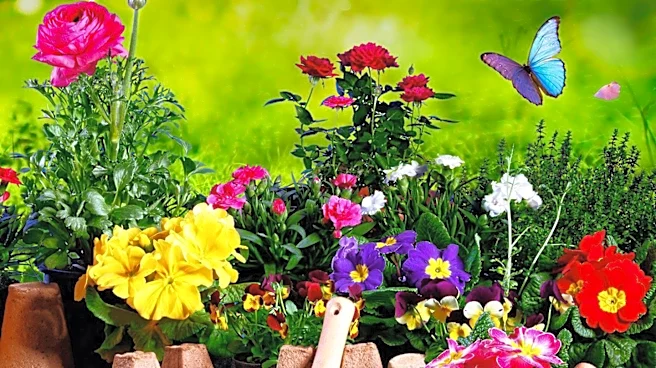
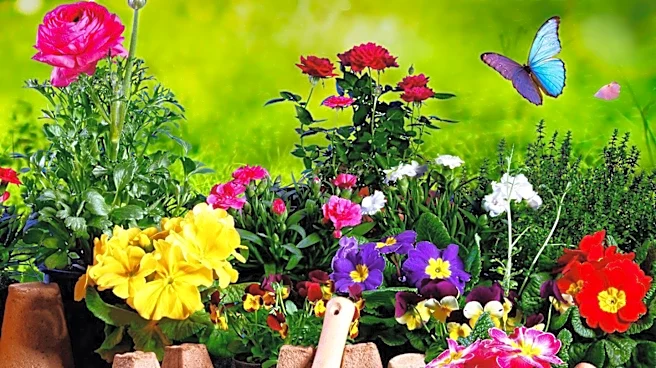
at 6 p.m. This session will educate participants on North Texas soil types, the importance of soil testing and amendments, proper site preparation, and methods for maintaining soil and plant health. The second program, "Pocket Prairie at Home," will take place on Wednesday, November 18, at 6 p.m. This class will focus on the benefits of planting wildflowers, how to integrate a wildflower garden into existing landscapes, selecting appropriate plants, preparing the planting area, and both short-term and long-term maintenance strategies. Both events aim to provide practical knowledge and skills to local gardeners, promoting sustainable and effective gardening practices within the community. Registration for both programs is available online through the city's website.
Why It's Important?
These gardening programs are important for several reasons, primarily by empowering local residents with knowledge that can lead to more sustainable and resilient home gardens. Understanding local soil types and proper amendments, as taught in the "Healthy Soils" class, is fundamental for successful gardening, reducing the need for chemical interventions and promoting healthier plant growth. The "Pocket Prairie at Home" program is particularly significant as it encourages the planting of wildflowers, which are crucial for supporting local biodiversity, including pollinators like bees and butterflies, whose populations have been declining. By promoting native plant species, these initiatives contribute to ecological health, water conservation (as native plants often require less irrigation), and the creation of more vibrant, natural landscapes within urban and suburban settings. This can lead to a more environmentally conscious community and potentially inspire broader ecological restoration efforts.
What's Next?
Following these November programs, participants are expected to apply the learned techniques to their own gardens, potentially leading to an increase in healthy soil practices and wildflower plantings across Bedford. The city and Tarrant Regional Water District may evaluate the success and community engagement of these programs to determine future offerings or expand similar educational initiatives. Increased interest in local gardening and ecological practices could also spur demand for related resources, such as local plant sales featuring native species or workshops on composting and water-wise landscaping. The long-term impact could include a noticeable increase in local biodiversity, improved soil health in residential areas, and a more informed gardening community better equipped to handle local environmental challenges. Continued partnerships between municipal entities and water districts are likely to foster ongoing community education on environmental stewardship.
Beyond the Headlines
Beyond the immediate benefits of improved gardening skills, these programs reflect a broader trend towards localized environmental action and community resilience. By focusing on native plants and soil health, the initiatives subtly address larger ecological concerns such as habitat loss and climate change adaptation at a grassroots level. The emphasis on practical, hands-on learning fosters a sense of community engagement and shared responsibility for the local environment. This approach can also lead to increased food security through home gardening and a deeper connection between residents and their natural surroundings. Such programs can serve as models for other municipalities looking to promote environmental education and sustainable living, demonstrating how local partnerships can effectively translate global environmental challenges into actionable, community-level solutions.