





What's Happening?
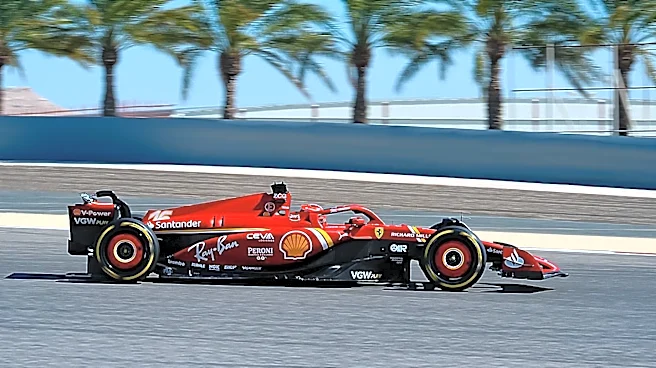
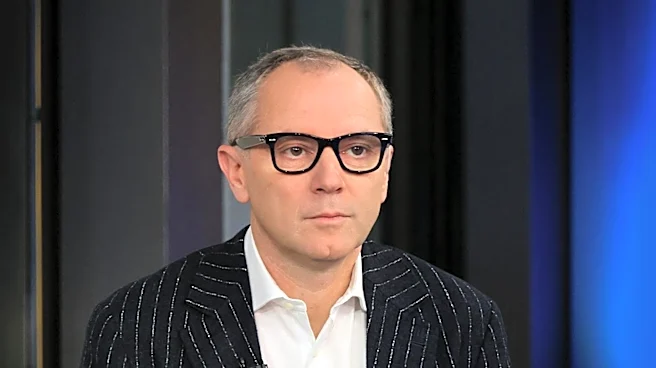
Former Liberty Media CEO Greg Maffei has fueled speculation regarding a potential change in ownership for Formula 1 by 2028. While no immediate sale is anticipated, Maffei's comments have brought attention to the commercial aspects of the sport. This
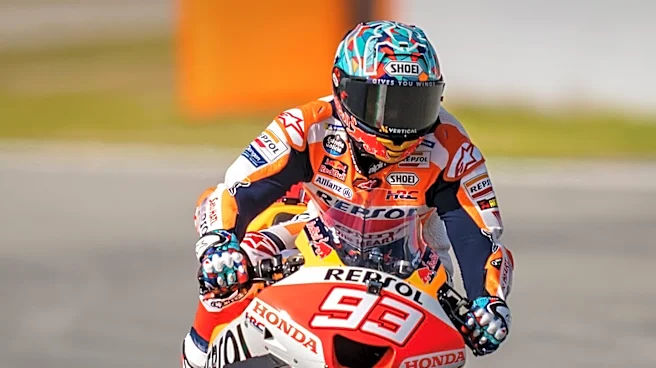
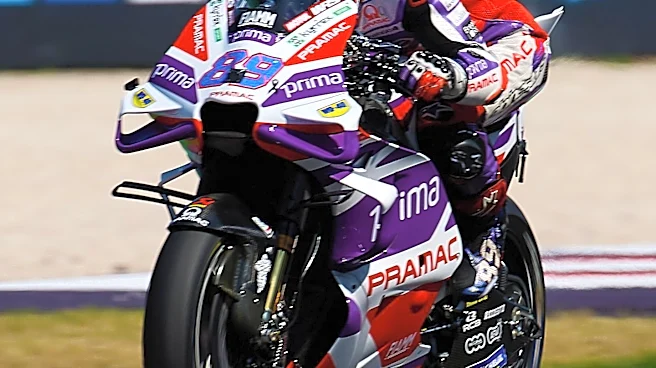
comes amidst significant transformations within MotoGP, including revised calendars, promotional mandates, and category distinctions. These changes raise questions about whether they are solely aimed at ensuring a sustainable future for the sport or if they are designed to enhance its commercial value as a salable asset. Gigi Dall’Igna, a prominent figure in the paddock, emphasized the importance of not letting commercial ambitions overshadow the sport's rich heritage, stating, 'Marc Márquez has ten titles, not eight.' The ongoing discussions highlight the delicate balance between the sporting integrity and the financial strategies within motorsports.
Why It's Important?
The suggestion of a potential ownership change for Formula 1 by 2028 carries significant implications for the U.S. sports and entertainment industries. Formula 1 has seen a surge in popularity in the United States in recent years, with increased viewership and the addition of new races. A change in ownership could lead to shifts in strategic direction, potentially impacting broadcast rights, sponsorship deals, and the overall commercialization of the sport in the U.S. New owners might pursue different growth strategies, which could either further boost or alter the sport's trajectory in the American market. Stakeholders, including broadcasters, advertisers, and event promoters, would closely monitor any such developments, as their investments and future plans could be directly affected. The balance between maximizing commercial value and preserving the sport's core appeal will be a critical consideration for any potential new owner, influencing fan engagement and revenue streams.
What's Next?
While no immediate sale of Formula 1 is imminent, Maffei's remarks will likely prompt increased scrutiny and discussion within the financial and sports communities. Industry analysts and potential investors will be closely watching for any further indications or official statements regarding the future ownership of Formula 1. The current management of Formula 1 and Liberty Media may face questions about their long-term plans and strategies for the sport. Any potential sale process would involve significant financial transactions and regulatory approvals, drawing attention from global financial markets. Stakeholders within the sport, including teams, sponsors, and broadcasters, will be keen to understand the implications of any ownership change on their existing agreements and future prospects. The ongoing evolution of MotoGP's commercial strategies may also serve as a case study for how motorsports properties are valued and managed in the current market.
Beyond the Headlines
The discussion surrounding a potential sale of Formula 1 extends beyond immediate financial transactions, touching upon deeper implications for the sport's identity and global appeal. The tension between commercial growth and preserving sporting heritage, as highlighted by Gigi Dall’Igna, is a recurring theme in professional sports. The drive to increase commercial value through revised calendars and promotional mandates could lead to a more entertainment-focused product, potentially alienating traditional fans who prioritize the purity of competition. Conversely, a new owner with a strong vision and significant investment could further globalize Formula 1, expanding its reach into new markets and attracting a broader audience. The ethical considerations of balancing profit motives with the integrity of the sport will be paramount. This situation also reflects a broader trend in the sports industry where major properties are increasingly viewed as valuable assets for investment firms, leading to questions about the long-term impact of such ownership on the sports themselves.