


What's Happening?
Wallpaper trends for 2026 are shifting towards personal expression and the incorporation of natural elements in interior design. Large-scale murals and oversized designs are gaining popularity, transforming walls into focal points and art pieces. These
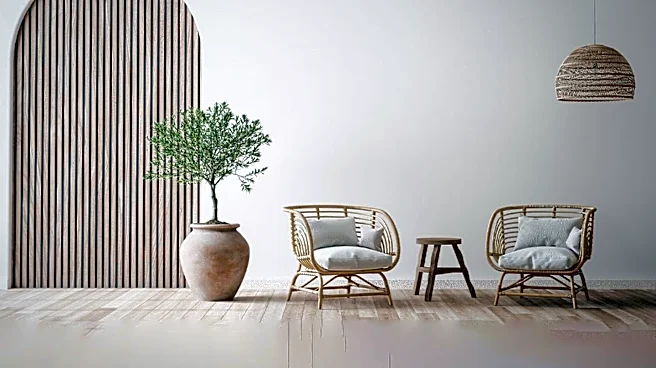
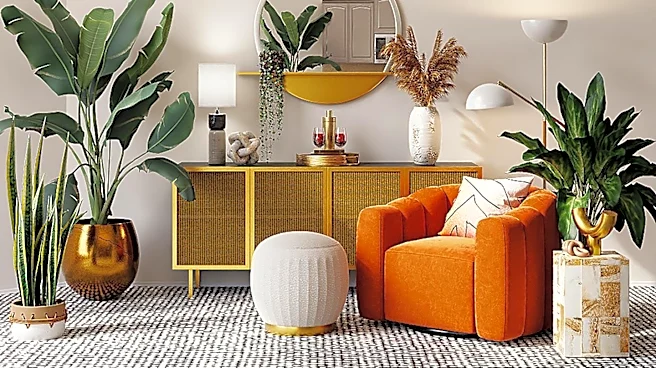
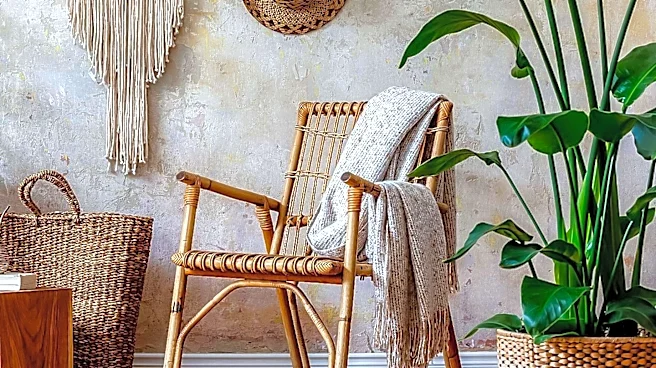
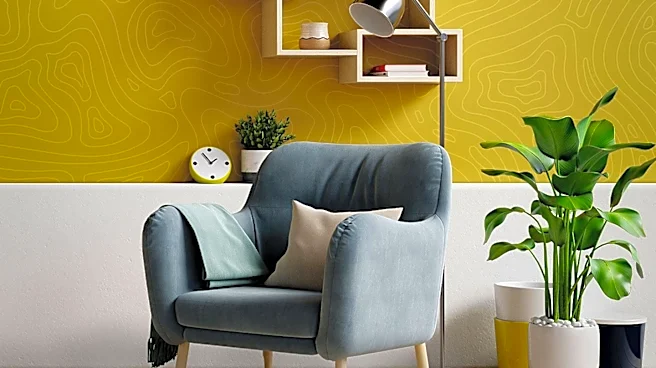
designs range from abstract compositions to sweeping landscapes, aiming to introduce drama and personality while maintaining a curated and intentional space. Alongside these bold statements, organic shapes and flowing lines are replacing rigid patterns, offering a relaxed and natural energy suitable for creating calm and inviting environments, particularly in living rooms and bedrooms. The color palette is also evolving, with earthy tones and muted palettes such as soft browns, sage greens, stone greys, and dusty ochres becoming prominent, often paired with artistic patterns to balance tranquility with character. Textured finishes are playing a significant role, adding subtle dimension and warmth, especially in minimalist spaces where every detail is crucial. The overall direction for wallpaper in 2026 is to make it a thoughtful and personal design choice that defines the atmosphere of a room.
Why It's Important?
This shift in wallpaper trends reflects a broader movement in U.S. home decor towards personalization and creating more soothing, character-filled living spaces. For the interior design industry, this means an increased demand for custom and unique wallpaper options, potentially boosting manufacturers specializing in large-scale murals, textured finishes, and eco-friendly materials. Retailers and designers will need to adapt their offerings to cater to consumers seeking more expressive and natural aesthetics, moving away from mass-produced, generic patterns. The emphasis on earthy tones and organic shapes also aligns with a growing consumer preference for sustainability and biophilic design, which seeks to connect occupants with nature. This trend could influence related industries, such as paint and furniture, as consumers look to create cohesive natural environments within their homes. Homeowners stand to gain more personalized and calming living spaces, while businesses that can innovate in custom and textured wallpaper solutions are likely to see increased market share.
What's Next?
Looking ahead, the interior design market is expected to continue evolving with these trends. Manufacturers will likely invest further in developing new technologies for large-format printing and textured wallpaper production to meet the demand for customized and high-quality options. We may see an increase in collaborations between artists and wallpaper brands to create unique, expressive designs. Retailers will need to update their showrooms and online catalogs to prominently feature these emerging styles, offering design consultations to help consumers integrate these trends into their homes. Educational resources for interior designers on incorporating organic shapes, earthy palettes, and large-scale murals will also become more prevalent. Furthermore, the focus on natural elements and calming aesthetics could lead to a greater integration of other biophilic design principles in home decor, such as indoor plants and natural light optimization, creating a more holistic approach to interior styling.
Beyond the Headlines
The emphasis on personal expression and natural elements in wallpaper trends goes beyond mere aesthetics; it reflects a deeper cultural shift towards creating sanctuaries within the home. In an increasingly fast-paced and digital world, consumers are seeking comfort, tranquility, and a sense of connection to nature in their living spaces. This trend highlights a desire for authenticity and individuality, moving away from transient fads towards more enduring and meaningful design choices. The use of earthy tones and organic forms can have psychological benefits, promoting relaxation and reducing stress, which is particularly relevant in a post-pandemic era where homes have become central to work, leisure, and well-being. This evolution in home decor suggests a broader societal value placed on mental health, mindfulness, and sustainable living, influencing not just what we put on our walls, but how we perceive and interact with our personal environments.