






What's Happening?
The Rolling Stones' iconic song "You Can't Always Get What You Want," written by Mick Jagger and Keith Richards, continues to resonate over five decades after its release. Featured on their 1969 album "Let It Bleed" and as the B-side to "Honky Tonk Women,"
the track was an ambitious recording for the band, diverging from their typical blues-based rock sound. The song notably begins with the London Bach Choir, a unique element introduced by producer Jimmy Miller, creating an almost church-like atmosphere before Mick Jagger's vocals enter. The arrangement also features acoustic guitar, piano, percussion, and contributions from French horn player Al Kooper, who also played piano and organ. Interestingly, Charlie Watts did not play drums on the recording; producer Jimmy Miller handled the drum part. The song's lyrics explore themes of disappointment and reality, reflecting the changing mood of the late 1960s, and its message about not always getting what you want but sometimes finding what you need has proven timeless. The track also emerged during a challenging period for the band, as founding member Brian Jones was increasingly estranged from the group before his departure and subsequent death in 1969.
Why It's Important?
The enduring popularity of "You Can't Always Get What You Want" highlights the lasting cultural impact of The Rolling Stones and their ability to create music that transcends generations. Its complex arrangement, featuring a choir and diverse instrumentation, marked a significant artistic evolution for the band, demonstrating their willingness to experiment beyond their established sound. This creative risk not only produced a critically acclaimed song but also solidified its place as a concert staple, beloved by fans worldwide. The song's lyrical depth, addressing universal themes of desire, expectation, and acceptance, contributes to its timeless appeal, making it relevant across different eras and societal contexts. The track's historical context, recorded during a period of significant change for the band and the broader cultural landscape of the late 1960s, adds another layer of importance, offering insight into the artistic and personal struggles that can shape iconic works of music. Its continued presence in popular culture underscores the power of music to capture and convey profound human experiences.
What's Next?
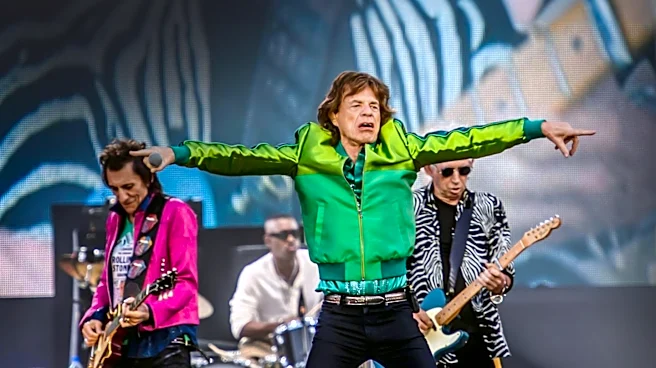
As "You Can't Always Get What You Want" remains a cornerstone of The Rolling Stones' live performances, its future impact will likely continue through its role as a concert anthem and its presence in various media. The song's timeless message ensures its continued relevance for new generations of listeners, who may discover its themes of aspiration and reality. Educational institutions and music historians will likely continue to analyze its musical structure and lyrical content, further cementing its place in rock and roll history. The song's use in films, television, and other cultural productions will also contribute to its ongoing visibility and interpretation. Furthermore, the band's legacy, heavily influenced by such iconic tracks, will continue to be celebrated through documentaries, retrospectives, and fan communities, ensuring that the song's significance is preserved and re-evaluated over time. The ongoing appreciation for classic rock and the band's enduring influence suggest that "You Can't Always Get What You Want" will remain a powerful and recognizable piece of music for the foreseeable future.
Beyond the Headlines
Beyond its musical and commercial success, "You Can't Always Get What You Want" carries deeper cultural and philosophical implications. The song's central message, that one may not always achieve their desires but might find what they truly need, offers a profound commentary on human ambition and contentment. This theme resonates with broader societal discussions about consumerism, idealism, and the pursuit of happiness, particularly in the context of the late 1960s, a period marked by both utopian aspirations and growing disillusionment. The song's narrative, moving through various scenes like a reception and a drugstore, creates a mosaic of everyday life, grounding its philosophical message in relatable experiences. The mystery surrounding characters like "Mr. Jimmy" adds to its mythological quality, inviting listeners to engage with the lyrics on a more interpretive level. Ethically, the song subtly encourages a form of acceptance and resilience, suggesting that true fulfillment may lie in adapting to circumstances rather than rigidly adhering to initial desires. This enduring message contributes to its status as more than just a song, but a cultural touchstone reflecting on the complexities of the human condition.