






What's Happening?
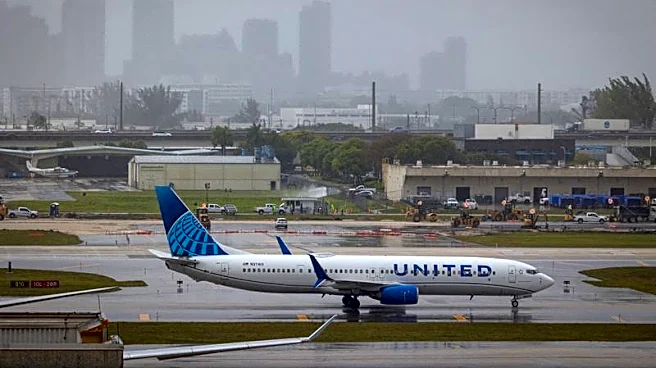
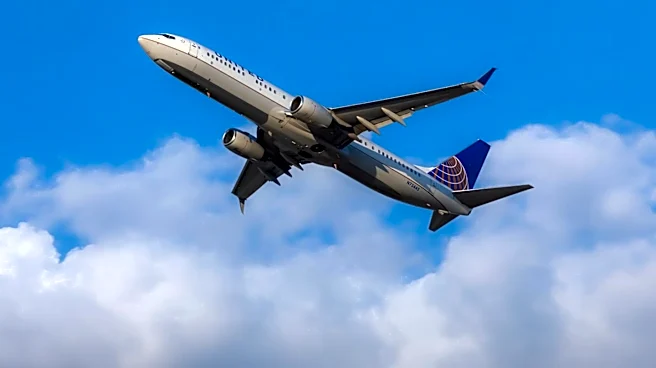
United Airlines has implemented a ban on personal AI assistants from booking flights, a move detailed in its revised contract of carriage. This prohibition extends to AI agents operating directly on United's digital platforms and indirectly through travel
agencies and aggregators. The airline cites concerns over customer privacy, the potential for unintended purchases, and compliance with regulatory requirements, such as federal hazardous-materials rules that necessitate passenger acknowledgment during ticket purchase and check-in. United Airlines CEO Scott Kirby explicitly stated the airline's reluctance to create 'another middleman' in the booking process. While AI agents are barred from completing transactions, customers can still use them to research United flights and prices, with the final purchase needing to be completed manually by the traveler. This decision marks United as the first major U.S. carrier to formally prohibit AI agents in this capacity, contrasting with other airlines like Southwest, Delta, and American, which have varying approaches to AI integration in their booking systems.
Why It's Important?
This policy by United Airlines carries significant implications for the travel industry and the broader adoption of AI in consumer services. By restricting AI agents, United aims to maintain direct control over its customer relationships and avoid potential referral fees or preferential treatment that could arise from powerful AI intermediaries. This move highlights a growing tension between companies seeking to streamline operations and protect their revenue streams, and technology firms developing AI tools designed to simplify consumer tasks. The airline's concerns about data security, unintended transactions, and regulatory compliance underscore the evolving legal and ethical landscape surrounding AI. For consumers, this ban means a potential limitation on convenience, as AI assistants could otherwise offer more efficient flight comparison and booking. The decision also signals a cautious approach to AI adoption within the airline sector, potentially influencing how other industries integrate AI into their customer-facing operations, particularly where sensitive personal and financial data are involved.
What's Next?
The enforcement and long-term impact of United's ban on AI flight bookings remain to be seen. While United states its systems can identify booking sources, the technical feasibility of detecting AI-driven transactions, especially those routed through existing travel agencies, is a point of discussion. Other airlines, such as Southwest, Delta, and American, are exploring or allowing AI integration in different capacities, suggesting a fragmented industry approach to this technology. United has indicated it will continue to evaluate evolving AI agents, implying that its policy could adapt as AI capabilities and regulatory frameworks mature. This situation may prompt further discussions within the airline industry and with AI developers regarding standardized protocols for secure and compliant AI-assisted transactions. The broader implications for Meta, whose Muse agent was reportedly affected by this news, suggest that tech companies may need to refine their AI offerings to address corporate concerns about data privacy, security, and control over customer interactions.
Beyond the Headlines
United's ban on AI booking agents delves into deeper ethical and economic considerations beyond immediate transaction control. The airline's desire to avoid 'another middleman' reflects a fundamental struggle for direct customer engagement and data ownership in the digital age. This move could be seen as a preemptive strike against a future where AI agents could wield significant power in directing consumer choices, potentially commoditizing airline services and eroding brand loyalty. Furthermore, the emphasis on regulatory compliance, particularly regarding hazardous materials declarations, highlights the challenges of delegating legally mandated responsibilities to AI. This raises questions about accountability when AI systems make errors or fail to meet legal requirements. The differing stances among U.S. airlines on AI integration also point to a nascent stage in AI's commercial application, where companies are grappling with balancing innovation, security, and business interests. This development could spur a broader debate on the appropriate boundaries for AI in sensitive consumer transactions and the need for clear guidelines to protect both businesses and consumers.