







What's Happening?
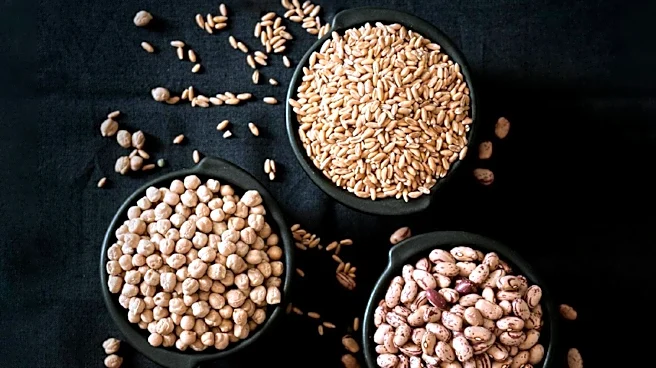
A recent review published in the journal Nutrients emphasizes the significant role pulses such as beans, chickpeas, peas, lentils, and lupin can play in promoting healthier and more sustainable diets. The review, which examines evidence from the past
decade, suggests that pulses are nutritional powerhouses, offering high protein content, dietary fiber, complex carbohydrates, vitamins, and minerals. These foods are noted for their potential antioxidant and anti-inflammatory properties. Additionally, pulses can support gut health by feeding beneficial bacteria, which may enhance immune and metabolic functions. Despite their benefits, pulse consumption remains low in Europe, partly due to cultural habits and the popularity of processed plant-based alternatives. The review also highlights that traditional preparation methods can improve the digestibility of pulses and alter compounds that are traditionally considered antinutrients.
Why It's Important?
The findings underscore the potential of pulses to contribute to healthier diets and sustainable food systems. As pulses generally have a lower environmental footprint compared to animal-based proteins, they offer a viable alternative for reducing the environmental impact of food production. The nutritional benefits of pulses, including their ability to improve cardiometabolic markers like blood glucose and cholesterol, make them an attractive option for health-conscious consumers. The review's insights could influence dietary guidelines and public health policies, encouraging increased consumption of pulses as part of a balanced diet. This shift could benefit agricultural sectors focused on pulse production and support global efforts to address climate change through sustainable food practices.