
What's Happening?
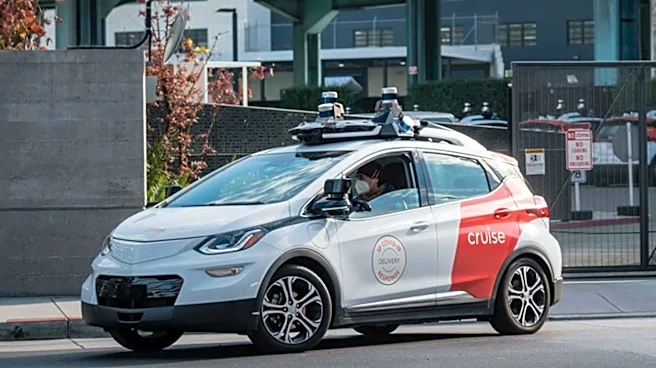
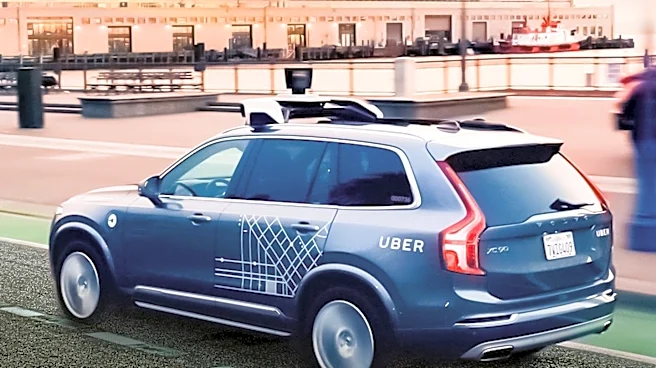
Uber has announced a $10 billion investment to deploy approximately 1.2 lakh driverless cabs globally, marking a significant step in its autonomous mobility strategy. The company plans to launch autonomous ride
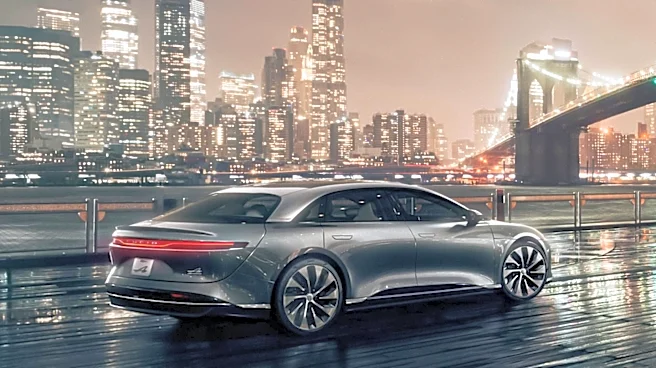
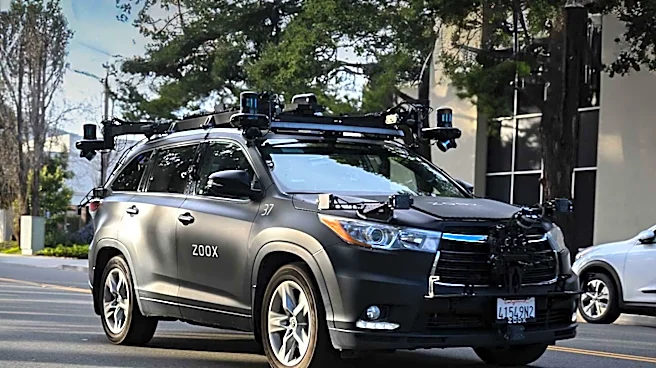
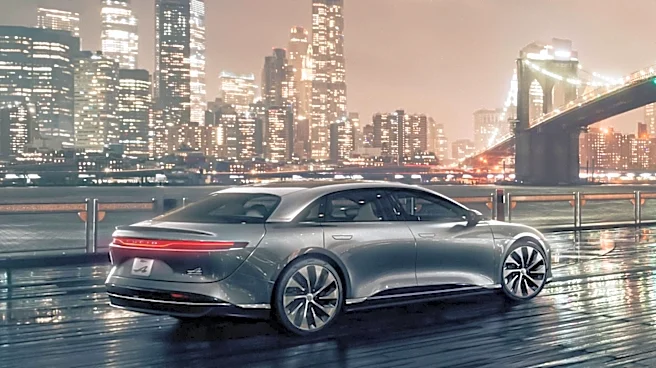
services in at least 15 cities by 2026, aiming to become the world's largest driverless mobility platform. Uber's strategy involves partnerships with autonomous vehicle developers like Zoox, Rivian, and Lucid Motors, allowing for rapid expansion while sharing technological and financial risks.
Why It's Important?
This investment underscores Uber's commitment to leading the autonomous vehicle market, which could transform urban transportation and impact the livelihoods of millions of drivers. By leveraging partnerships, Uber can accelerate its deployment of driverless technology, potentially reducing operational costs and increasing efficiency. The move positions Uber as a key player in the global race for robotaxi dominance, with significant implications for the future of mobility and urban planning.
What's Next?
Uber's focus on expanding its driverless services will likely involve further collaborations with technology partners and regulatory engagement to ensure safe and efficient deployment. The company's ability to navigate these challenges will be crucial in achieving its ambitious goals. Consumer interest in driverless rides, as seen in London, indicates potential market demand, which Uber aims to capitalize on in its global rollout.