






What's Happening?
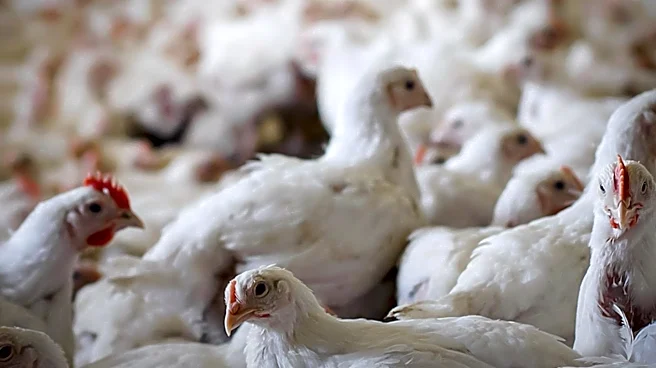
A new study has linked modern chicken farming practices to a significant increase in the spread of Campylobacter jejuni, the leading cause of foodborne gastroenteritis worldwide. Researchers from the Ineos Oxford Institute found that high-density poultry
production creates ideal conditions for the bacterium to spread and evolve. The study highlights the need for the poultry industry to rethink its practices to prevent pathogen transmission. Campylobacter infections cause millions of illnesses annually, with rising antimicrobial resistance posing additional challenges.
Why It's Important?
The findings underscore the public health risks associated with intensive livestock production, particularly in the poultry industry. The spread of Campylobacter and its increasing resistance to antibiotics could lead to more severe and difficult-to-treat infections. This situation calls for improved biosecurity measures and industry standards to mitigate the risk of foodborne illnesses. The study may prompt regulatory bodies to implement stricter guidelines and encourage the development of vaccines or alternative solutions to control bacterial spread.
What's Next?
The poultry industry may need to adopt new strategies to address the spread of Campylobacter, such as enhanced biosecurity measures and vaccination programs. Researchers will likely continue to study the bacterium's evolution and resistance patterns to inform future interventions. Public health agencies may increase efforts to educate consumers on safe food handling practices to reduce infection risks. The study's findings could influence policy discussions on sustainable farming practices and food safety regulations.