




What's Happening?
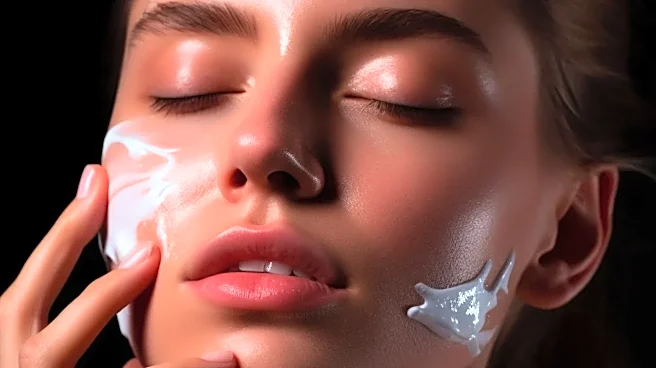
The skincare industry is experiencing a significant shift, with social media platforms like TikTok driving a surge in multi-step routines and the pursuit of 'glass skin' and 'glazed donut skin.' This trend has led to an increased focus on skincare as a form of self-expression
and social performance, with influencers promoting extensive routines and a wide array of products and tools. However, this phenomenon is also giving rise to concerns about 'dermorexia,' an obsessive fixation on skincare that can negatively impact mental well-being and skin health. Dermatologists and experts warn that many viral routines lack personalization and scientific validity, often containing ingredients that can cause irritation or allergic reactions, particularly for younger users. The pressure to achieve flawless skin, fueled by marketing and social media trends, is leading to compulsive purchasing behaviors and, in some cases, financial strain and distress among individuals, including young girls.
Why It's Important?
The rise of 'dermorexia' and the intense focus on elaborate skincare routines have significant implications for consumer health and the beauty industry. The promotion of complex regimens and numerous products, often without scientific backing, can lead to adverse skin reactions and compromise the skin barrier, especially in younger individuals whose skin does not require aggressive treatments. This trend also highlights a broader societal issue where self-care is increasingly intertwined with social performance and consumerism, potentially fostering anxiety and insecurity. The financial burden associated with continuously purchasing expensive products and treatments can be substantial, impacting individuals' economic well-being. Furthermore, the influence of social media in shaping beauty standards and product consumption raises questions about ethical marketing practices and the responsibility of platforms and brands to promote healthy and realistic skincare approaches.
What's Next?
In response to growing concerns, there may be increased calls for greater transparency and scientific validation in skincare marketing, particularly on social media. Dermatologists and healthcare professionals are likely to continue emphasizing the importance of simplified, evidence-based skincare routines and educating the public about the potential risks of over-treatment and inappropriate product use. Regulatory bodies might face pressure to scrutinize claims made by beauty brands and influencers, especially those targeting younger demographics. Consumers may also become more discerning, seeking out expert advice and prioritizing products with proven efficacy over viral trends. The industry could see a shift towards more minimalist and sustainable skincare approaches, focusing on core ingredients and routines that genuinely support skin health rather than promoting excessive consumption.
Beyond the Headlines
The phenomenon of 'dermorexia' extends beyond physical skin health, touching upon deeper psychological and cultural dimensions. It reflects a societal pressure to conform to idealized beauty standards, often amplified by the curated realities presented on social media. This constant pursuit of 'perfection' can erode self-esteem and transform self-care into a source of stress and obligation rather than genuine well-being. The commercialization of self-care, where personal routines become public performances and products are framed as essential for social acceptance, raises ethical questions about the beauty industry's role in fostering consumer anxiety. This trend also underscores the need for critical media literacy, particularly among younger generations, to navigate the overwhelming and often misleading information prevalent in online beauty communities and to cultivate a healthier relationship with their appearance.