





What's Happening?
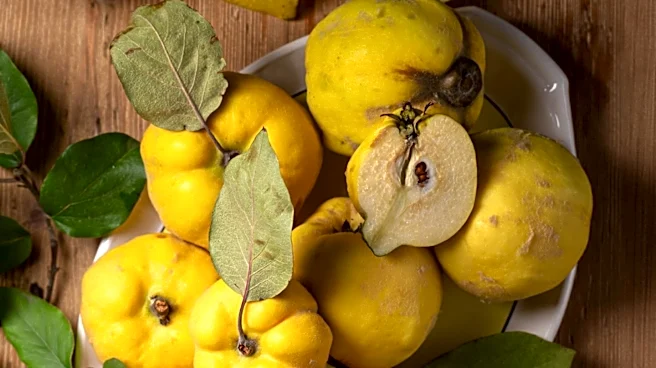
Quince trees, known for their attractive white flowers in late spring and yellow, downy fruits that ripen in late autumn, are highlighted as an easy-to-grow fruit tree. These trees are self-fertile, meaning a single tree can reliably produce fruit, and they
thrive in moist soils, though they can crop in various conditions. The fruits, which develop a pleasant aroma when ripe, are not typically eaten raw but are suitable for making jellies, pies, or quince paste. Varieties like Quince Serbian Gold have received the RHS Recommended Award of Garden Merit. Beyond their fruit, quince trees also offer aesthetic value with yellow autumn foliage before leaf fall, making them a dual-purpose addition to gardens.
Why It's Important?
The promotion of easy-to-grow fruit trees like quince offers a sustainable and rewarding option for U.S. gardeners and potentially small-scale agricultural producers. By choosing trees that provide both ornamental beauty and edible yields, individuals can enhance food security at a household level and contribute to local food systems. The self-fertile nature of quince trees simplifies cultivation, making them accessible even for novice gardeners. Furthermore, the versatility of quince fruit in culinary applications, from preserves to baked goods, could encourage a broader appreciation for less common fruits and diversify local food markets. This trend aligns with growing interest in home gardening and locally sourced produce across the U.S., fostering greater self-sufficiency and connection to food origins.
What's Next?
Gardeners and horticultural enthusiasts in the U.S. may increasingly consider planting quince trees, especially given their low maintenance requirements and dual benefits. Specialist nurseries are likely to see a rise in demand for recommended varieties such as Quince Serbian Gold. Educational initiatives from horticultural societies could further promote the cultivation and culinary uses of quince, potentially leading to workshops or guides on growing and preparing the fruit. As interest in sustainable living and home food production continues to grow, quince trees could become a more common sight in U.S. backyards and community gardens, contributing to a richer and more diverse local food landscape.
Beyond the Headlines
The growing interest in fruit trees like quince reflects a broader cultural shift towards self-sufficiency, sustainability, and a desire for a deeper connection to food sources. This movement extends beyond mere gardening to encompass a re-evaluation of traditional food practices and a push for greater food resilience. Ethically, cultivating such trees can reduce reliance on industrial food systems, promoting a more environmentally friendly approach to consumption. Legally, local ordinances might need to adapt to accommodate more diverse urban agriculture. Culturally, the reintroduction of less common fruits like quince into daily diets could spark a revival of traditional recipes and culinary heritage, enriching the American food scene with unique flavors and practices.