



What's Happening?
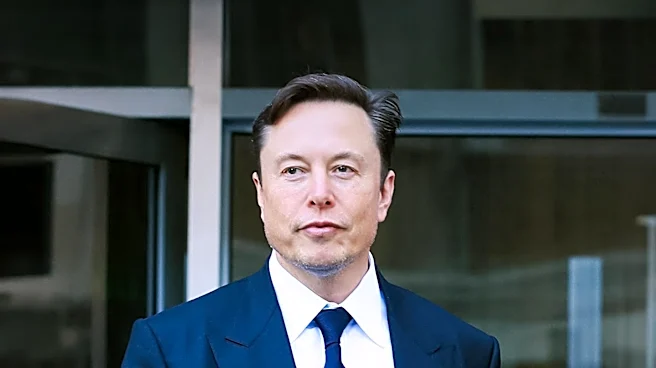
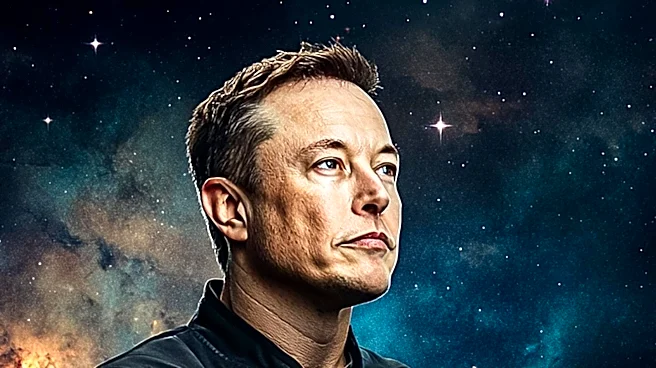
Elon Musk, CEO of Tesla, was the highest-paid CEO in the United States in 2025, receiving a compensation package valued at US$132.3 billion. This figure, compiled by Equilar and The New York Times, includes salary, bonuses, stock, and option awards. His
compensation package was significantly larger than that of the second highest-paid CEO, exceeding it by approximately 153 times. The overall trend in 2025 saw CEO compensation reach extraordinary levels, with nine out of the top ten highest-paid CEOs receiving packages worth at least US$100 million. The median compensation for the top 100 highest-paid CEOs also increased by 35.8 percent from the previous year, reaching US$39.4 million. This substantial increase was largely driven by significant stock and option awards, which contribute to the reported value of a CEO's compensation beyond their annual salary.
Why It's Important?
The extraordinary compensation awarded to CEOs like Elon Musk in 2025 highlights a growing disparity in wealth distribution and raises questions about corporate governance and executive pay practices in the U.S. The reliance on stock and option awards as a primary component of CEO compensation means that executive pay is heavily tied to market performance and company valuation, potentially incentivizing short-term gains over long-term sustainable growth. This trend can impact public perception of corporate fairness and may fuel debates about income inequality. For shareholders, such large compensation packages, especially when tied to stock performance, can be a double-edged sword: they can align executive interests with shareholder value but also dilute existing shares or raise concerns about excessive payouts even during periods of company underperformance. The significant increase in median CEO compensation also suggests a broader trend of escalating executive pay across major U.S. corporations.
What's Next?
The continued trend of escalating CEO compensation, particularly through stock and option awards, is likely to keep executive pay under scrutiny from various stakeholders. Activist investors and shareholder advocacy groups may increase pressure on corporate boards to re-evaluate compensation structures and ensure they are aligned with long-term company performance and ethical considerations. Policymakers might also consider new regulations or tax reforms aimed at addressing executive compensation, especially if the wealth gap continues to widen. Companies, in turn, may face increased pressure to justify their compensation practices to the public and their investors, potentially leading to more transparent reporting or adjustments in how executive incentives are structured. The focus on stock and option awards means that future CEO compensation will remain highly sensitive to market fluctuations and company stock performance.
Beyond the Headlines
The phenomenon of ultra-high CEO compensation, exemplified by Elon Musk's 2025 package, extends beyond mere financial figures to touch upon deeper societal and ethical considerations. It reflects a broader cultural narrative that often equates extreme wealth with innovation and success, potentially overlooking the collective contributions of an entire workforce. The structure of these compensation packages, heavily weighted towards stock and options, can create a powerful incentive for executives to prioritize share price appreciation, which may not always align with broader societal interests such as employee welfare, environmental sustainability, or long-term product quality. This concentration of wealth at the top can also exacerbate feelings of economic injustice and contribute to social unrest, prompting discussions about the fundamental purpose of corporations and their responsibilities to all stakeholders, not just shareholders. The legal and ethical frameworks governing executive pay are constantly evolving, and such high-profile cases often serve as catalysts for re-evaluating these boundaries.