





What's Happening?
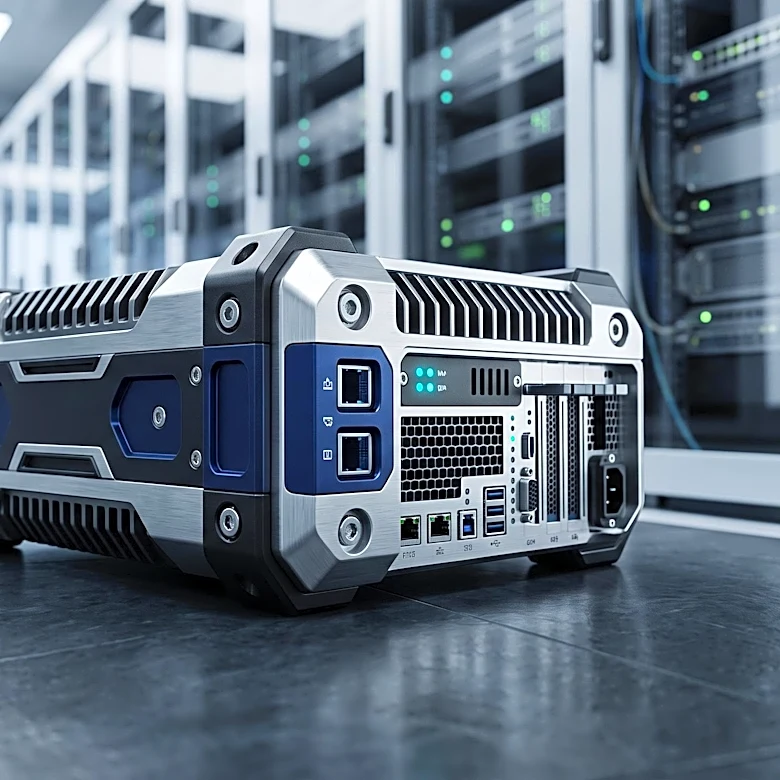
Blockmate Ventures Inc. has placed an order for its first NVIDIA B200 compute node and has selected a U.S. data center for its operation. This eight-GPU node will be the first AI compute hardware directly owned by Blockmate. The company anticipates the installation
of this node in the first quarter of 2027, contingent on vendor timelines, NVIDIA allocation, and commissioning processes. Blockmate, in collaboration with its partner Scannit, is already engaged in commercial discussions with potential customers in anticipation of the node's deployment. This initial acquisition is intended to gather crucial data on utilization rates, rental pricing, uptime, and operational costs before Blockmate commits further capital to expanding its AI compute infrastructure. Chairman Domenic Carosa stated that the company is transitioning from strategic planning to execution, making progress across all business segments. Blockmate's overarching goal is to establish an AI infrastructure business encompassing power, compute, and customer services, while maintaining a disciplined approach to capital deployment as opportunities arise.
Why It's Important?
This move by Blockmate Ventures signifies a strategic entry into the rapidly expanding AI infrastructure market within the U.S. The acquisition of an NVIDIA B200 node, a high-performance AI compute unit, positions Blockmate to capitalize on the growing demand for advanced AI processing capabilities. By gathering data from this initial deployment, Blockmate aims to refine its business model and investment strategy, potentially leading to more efficient and scalable AI infrastructure solutions. This development could impact the broader U.S. technology sector by increasing the availability of AI compute resources, which are critical for various industries, including research, development, and commercial applications of artificial intelligence. The company's disciplined approach to capital deployment suggests a cautious yet ambitious strategy to build out its AI capabilities, which could influence how other emerging players approach investments in this capital-intensive sector. Furthermore, the establishment of new AI compute nodes contributes to the decentralization and diversification of AI infrastructure, enhancing resilience and accessibility for businesses across the nation.
What's Next?
The immediate next step for Blockmate Ventures is the installation and commissioning of its NVIDIA B200 compute node, which is slated for the first quarter of 2027. Following installation, the company will focus on gathering operational data, including utilization, rental pricing, uptime, and operating costs, to inform future investment decisions. Blockmate and Scannit will continue their commercial discussions with prospective customers, aiming to secure initial contracts for the node's services. Concurrently, Blockmate is advancing its plans for a Wyoming AI data center, working with local authorities on planning and permitting. This site is contractually controlled by the company, with a target capacity of up to 200 MW for AI and high-performance computing, subject to zoning, engineering, and permitting approvals. In Australia, Blockmate is also actively negotiating several data center opportunities in power-constrained markets, indicating a broader strategy for global expansion in AI infrastructure.
Beyond the Headlines
Blockmate Ventures' entry into the AI compute market with NVIDIA's B200 node highlights a significant trend in the technology landscape: the increasing commoditization and decentralization of AI infrastructure. As AI models become more complex and pervasive, the demand for specialized hardware like GPUs will continue to surge, creating new economic nodes and opportunities for companies that can provide scalable and efficient compute resources. This development also underscores the strategic importance of data centers and power infrastructure in the AI era, as the energy consumption of AI operations is substantial. The company's methodical approach of testing with a single node before larger investments reflects a prudent strategy in a rapidly evolving and capital-intensive sector. This could set a precedent for other firms looking to enter the AI infrastructure space, emphasizing data-driven expansion rather than speculative large-scale deployments. The long-term implications include potential shifts in regional economic development, as areas with robust power grids and suitable land may become attractive hubs for AI data centers, fostering local job creation and technological advancement.