






What's Happening?
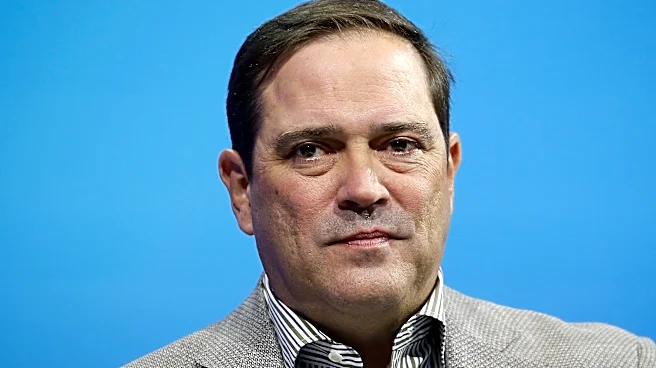
Charles Robbins, the Chair and CEO of Cisco Systems, Inc., reported a share withholding event on November 18, 2026. This transaction involved withholding 5,201.545 shares of Cisco common stock at a price of $97.18 per share. The purpose of this withholding was
to cover tax obligations arising from the early vesting of an equivalent number of restricted stock units (RSUs) and dividend equivalents on unvested RSUs. This early vesting was triggered by Robbins becoming eligible for retirement. The details of this transaction were disclosed in a Form 4 filing submitted on November 20, 2026. Following this transaction, Robbins directly beneficially owns 663,992.339 shares of Cisco common stock. This event highlights a standard procedure for executives when equity awards vest, particularly when specific conditions like retirement eligibility are met, leading to tax liabilities that are often covered by withholding a portion of the vested shares.
Why It's Important?
This event is important as it provides transparency into the compensation and tax management practices of high-level executives in major U.S. technology companies. For investors, such filings offer insights into executive stock ownership and potential future changes in leadership, as retirement eligibility often precedes actual retirement. The withholding of shares for tax purposes is a common mechanism that allows executives to meet their tax obligations without having to sell shares on the open market, which could otherwise impact stock prices or signal a lack of confidence. It also underscores the significant value of equity compensation packages for CEOs, where RSUs form a substantial part of their overall remuneration. The specific trigger of retirement eligibility for early vesting can also be a point of interest for corporate governance observers, as it relates to executive retention and succession planning within the company.
What's Next?
While the immediate action of share withholding for tax purposes is complete, the disclosure of Charles Robbins' retirement eligibility could prompt further speculation or official announcements regarding his future at Cisco. Companies typically have succession plans in place for key leadership roles, and an executive becoming retirement-eligible often signals a potential transition period. Stakeholders, including investors and employees, may now be more attentive to any future communications from Cisco regarding leadership changes or long-term strategic plans. The company's board of directors will likely continue to manage this transition, ensuring stability and continuity. Future SEC filings or company announcements might provide more clarity on Robbins' tenure or any succession plans being implemented, which could influence investor sentiment and the company's stock performance.
Beyond the Headlines
This event subtly highlights broader trends in executive compensation and corporate governance. The structure of RSU vesting, particularly with clauses tied to retirement eligibility, is designed to incentivize long-term commitment and performance from executives. However, it also creates complex tax implications that require careful management. The practice of withholding shares for taxes is a common, yet often overlooked, aspect of executive compensation that ensures compliance with tax laws while minimizing market disruption. Furthermore, the timing of such disclosures can sometimes precede broader discussions about executive transitions, prompting a deeper look into a company's leadership pipeline and its readiness for change. This specific instance with Cisco's CEO underscores the intricate financial mechanisms that underpin executive remuneration in large publicly traded corporations, reflecting both reward for service and adherence to regulatory and tax frameworks.