








What's Happening?
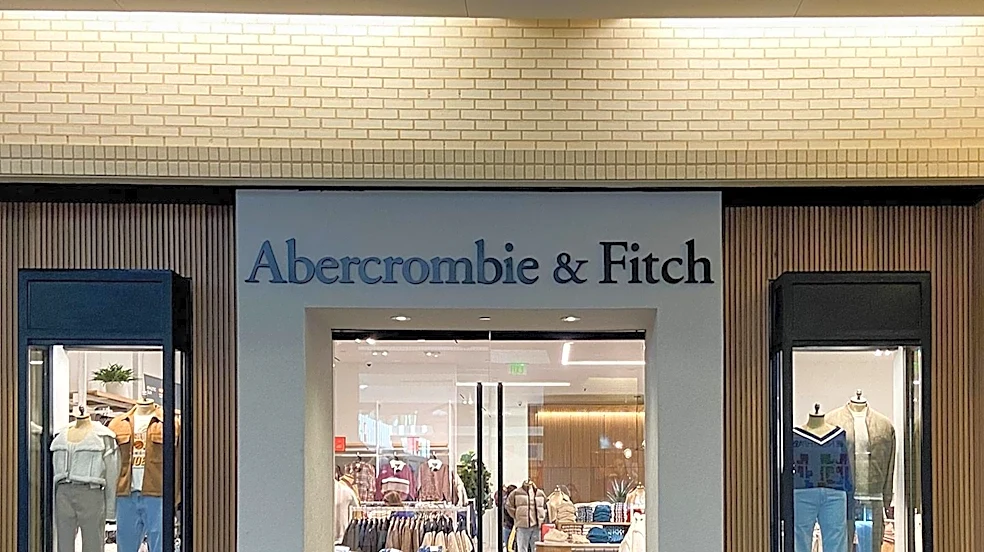
A New Jersey woman has publicly accused Abercrombie & Fitch of implementing a 'pink tax' on its wool sweaters. In a viral TikTok video, she highlighted that a men's 100% merino wool crewneck sweater and a women's wool-blend crewneck sweater are both priced
at $85. However, the women's version contains only 25% wool, blended with 40% cotton and 35% nylon, while the men's sweater is entirely 100% merino wool. This discrepancy in material composition for the same price point has led her to label it as a 'pink tax,' a term referring to gender-based price differences where products marketed to women cost more than comparable men's products. A 2015 study by the New York City Department of Consumer Affairs supports the existence of a 'pink tax,' finding that women's products cost 7% more on average across various industries.
Why It's Important?
This incident highlights a broader consumer issue known as the 'pink tax,' which impacts women's purchasing power and raises questions about pricing fairness and transparency in the retail sector. The alleged practice by Abercrombie & Fitch, if widespread, could lead to women paying more for products of lesser quality or material value compared to men's equivalents. This can erode consumer trust and potentially influence purchasing decisions, with some consumers already indicating a shift towards buying from men's sections due to perceived better value. For businesses, such accusations can result in negative publicity, calls for greater scrutiny, and potential regulatory attention regarding pricing strategies and gender-based marketing. It also underscores the ongoing debate about whether price differences are due to legitimate manufacturing costs or discriminatory practices.
What's Next?
The viral nature of the woman's TikTok video suggests that Abercrombie & Fitch may face increased public scrutiny and calls for clarification regarding their pricing and product composition. Other consumers and advocacy groups might amplify these concerns, potentially leading to broader discussions about gender-based pricing in the fashion industry. Retailers, in general, may need to re-evaluate their pricing strategies and product labeling to ensure transparency and avoid similar accusations. While the immediate next steps for Abercrombie & Fitch are unclear, they might issue a statement, adjust pricing, or provide further explanation for the material differences. The incident could also prompt consumers to be more vigilant about comparing product details and prices across gendered categories.
Beyond the Headlines
The 'pink tax' issue extends beyond mere price differences; it touches upon deeper societal implications related to gender equality and consumer rights. The woman's concern about the durability of synthetic materials in the women's sweater, suggesting it might break down faster and necessitate more frequent repurchases, points to potential planned obsolescence and environmental impact. This raises ethical questions about whether companies are intentionally creating less durable products for women, thereby increasing their long-term spending and contributing to waste. The phenomenon also reflects how gendered marketing can influence consumer perceptions and willingness to pay, even for products with inferior material quality. Addressing the 'pink tax' could lead to more equitable pricing, encourage sustainable consumption, and foster greater transparency in product manufacturing and marketing.