






What's Happening?
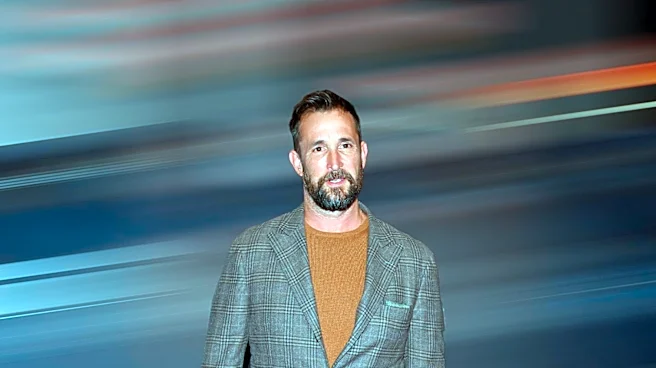
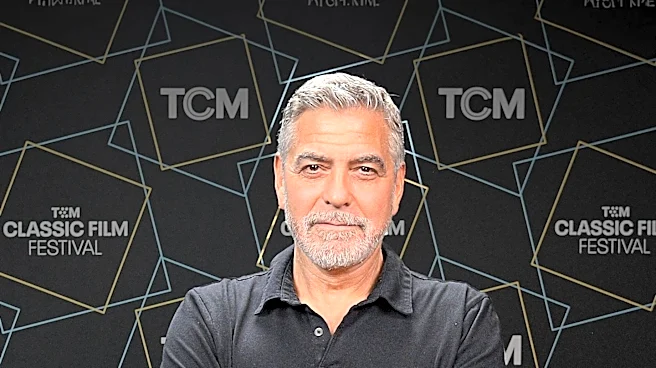
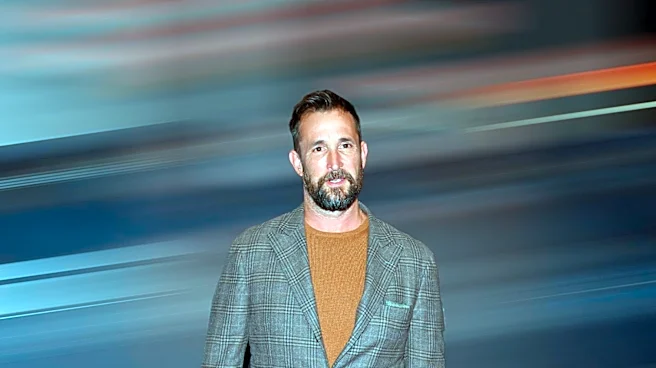
Actor Noah Wyle recently shared insights into George Clooney's personality and work ethic on the set of the 1994 medical drama 'ER'. Wyle, who played Dr. John Carter alongside Clooney's Dr. Doug Ross, recounted Clooney's approach to work, which emphasized
both hard work and a playful atmosphere. According to Wyle, Clooney fostered an environment where the cast and crew took their work seriously but not themselves, aiming to create a cohesive 'company' feel. This ethos included being professional, punctual, and blurring the lines between different production roles. Wyle also touched upon Clooney's well-known on-set pranks, admitting that while they make for amusing stories, he personally was not a fan of them and is not a 'pranker' himself. He specifically mentioned enjoying making co-star Eriq La Salle laugh, noting La Salle's 'infectious laugh'.
Why It's Important?
This revelation offers a glimpse into the dynamics of a highly successful and influential television series, 'ER', which significantly impacted medical dramas and launched the careers of several prominent actors, including George Clooney. Understanding the on-set culture and the leadership style of a lead actor like Clooney provides valuable context for how such a demanding production maintained its quality and camaraderie over many years. For aspiring actors and filmmakers, Wyle's account highlights the importance of professionalism, teamwork, and maintaining a positive, yet focused, environment. It also underscores the varied personalities and preferences within a creative team, where even lighthearted activities like pranks can be perceived differently among colleagues. The enduring legacy of 'ER' is partly attributed to the strong working relationships and shared ethos among its cast, as described by Wyle.
What's Next?
While Wyle's comments are retrospective, they contribute to the ongoing public interest in the behind-the-scenes stories of iconic television shows and the careers of their stars. Such anecdotes often resurface during promotional tours for new projects, as Wyle is currently doing for 'The Pitt'. These discussions can spark renewed interest in 'ER' among new generations of viewers or prompt re-evaluations of the show's impact. For the actors involved, sharing these memories helps to shape their public narrative and connect with audiences who grew up watching their work. The insights into Clooney's leadership style could also influence how future productions approach set dynamics, emphasizing a balance between professionalism and a supportive, enjoyable working atmosphere.
Beyond the Headlines
The discussion about George Clooney's on-set pranks and his overall approach to work on 'ER' touches upon broader themes of workplace culture and leadership in creative industries. Clooney's philosophy of 'work hard, play hard' and his effort to 'erase the division between cast and crew' reflect a progressive management style that prioritizes collaboration and mutual respect. This approach can be seen as a precursor to modern workplace trends that emphasize employee well-being and inclusive environments. Wyle's personal disinterest in pranks, despite acknowledging their humor, also highlights the subjective nature of workplace humor and the importance of understanding individual boundaries. This narrative contributes to the ongoing conversation about how to foster productive and positive environments in high-pressure creative fields, where personal dynamics can significantly influence the final product.