


What's Happening?
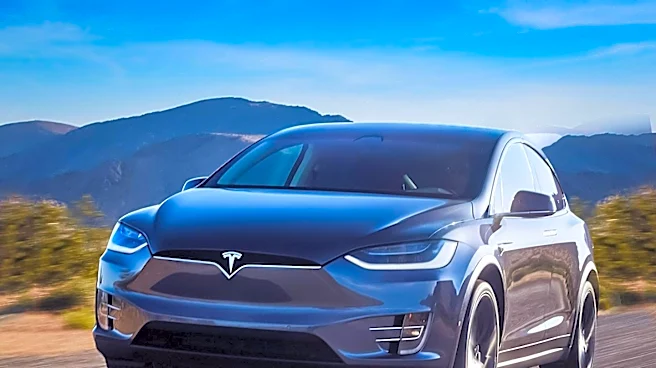
Tesla has commenced the rollout of its Full Self-Driving (Supervised) version 15, marking a significant upgrade from its previous iteration. This update, announced on November 21, 2026, by Elon Musk, is initially available for early access users, with
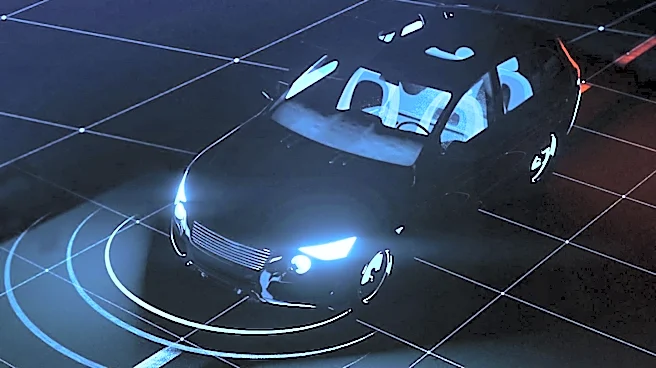
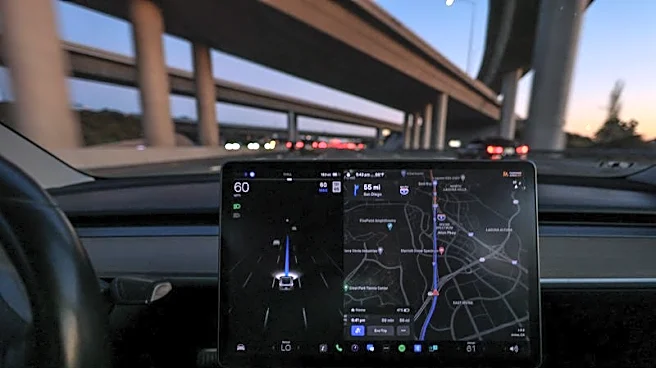
a broader release anticipated in December as part of the 2026 Holiday Update. Version 15 overhauls the entire end-to-end driving network, with Tesla claiming a 25x improvement in the critical intervention rate. This enhancement is attributed to an upgraded vision encoder, which is shared across FSD, Robotaxi, and Optimus platforms. The encoder's training involved millions of internet videos, aiming for improved generalization and data efficiency. A key new feature is Tesla Reality View, also known as Tesla Augmented Reality, which provides a real-time, photo-realistic visualization from a virtual camera positioned above the vehicle. This allows drivers to observe and interact with FSD's planned actions, offering various display modes such as fullscreen, map, split, or quiet. The update also introduces more natural speed handling, improved detection of various road elements like signs, small animals, debris, potholes, and standing water, and personalized parking suggestions. Additionally, it includes an improved driver monitoring system that functions even with hats and sunglasses, and a new Bike Rack Mode for FSD use with hitch accessories, though it disables certain reversing features. The update is designed for AI4/HW4 hardware, and FSD continues to require an attentive driver.
Why It's Important?
The release of Tesla's Full Self-Driving (Supervised) version 15 represents a critical advancement in autonomous driving technology, with significant implications for the automotive industry and transportation sector in the U.S. The claimed 25x improvement in critical intervention rate, if independently verified, could set a new benchmark for safety and reliability in semi-autonomous systems, potentially accelerating the adoption of FSD features. The introduction of Tesla Reality View enhances driver understanding and trust in the system by providing transparent visualization of the vehicle's perceptions and plans, which could be crucial for public acceptance and regulatory approval. Improved detection capabilities for various road hazards and more natural speed handling address long-standing challenges in autonomous driving, making the system more robust and adaptable to diverse driving conditions. The new Bike Rack Mode expands the utility of FSD for users with active lifestyles, albeit with some limitations. This update could further solidify Tesla's position as a leader in autonomous vehicle technology, influencing competitors to accelerate their own development efforts. The continuous evolution of FSD also raises ongoing discussions about regulatory frameworks, liability in autonomous driving incidents, and the future of human-vehicle interaction, impacting policymakers, insurance companies, and consumers across the nation.
What's Next?
Following the initial early access rollout, Tesla plans a wider release of Full Self-Driving (Supervised) version 15 in December, coinciding with the 2026 Holiday Update. This broader deployment will allow a larger segment of Tesla owners with compatible AI4/HW4 hardware to experience the enhanced features. Independent verification of Tesla's claimed 25x improvement in critical intervention rates will be a key next step, as early users and third-party evaluators assess the system's performance in real-world conditions. The feedback and data gathered from this wider release will be crucial for further refinements and future iterations of the FSD software. Regulatory bodies in the U.S. will likely continue to scrutinize the safety and capabilities of FSD, potentially leading to updated guidelines or requirements for autonomous driving systems. Tesla's ongoing development in this area could also influence the competitive landscape, prompting other automotive manufacturers to accelerate their own autonomous driving research and development. The long-term implications include potential shifts in urban planning, public transportation, and personal vehicle ownership models as autonomous technology matures and becomes more widespread.
Beyond the Headlines
The continuous evolution of Tesla's Full Self-Driving technology, particularly with version 15, extends beyond mere technological upgrades to touch upon deeper societal and ethical considerations. The enhanced 'Reality View' and improved detection capabilities, while increasing safety and driver confidence, also raise questions about the nature of human-machine collaboration in critical decision-making. As FSD systems become more sophisticated, the line between driver responsibility and system autonomy blurs, prompting complex legal and ethical debates regarding accountability in the event of accidents. The training of the vision encoder on 'millions of internet videos' highlights the increasing reliance on vast datasets and artificial intelligence in developing these systems, which could introduce biases present in the data or lead to unexpected behaviors in novel situations. Furthermore, the widespread adoption of such advanced autonomous features could reshape the driving experience, potentially leading to a decline in traditional driving skills and a re-evaluation of the role of human intuition on the road. The 'supervised' nature of FSD, still requiring an attentive driver, underscores the ongoing transition phase, where technology is advanced but not yet fully independent, creating a unique dynamic of shared control and responsibility that will continue to be explored and debated.