







What's Happening?
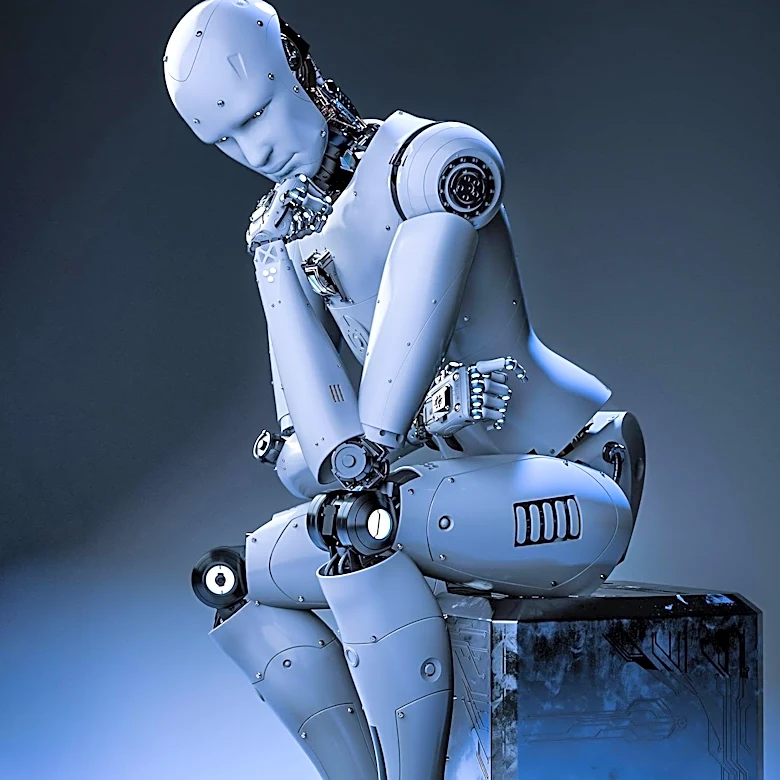
Anthropic, a US-based AI research company, has raised concerns about the potential dangers of 'recursive self-improvement' in AI systems. This concept refers to AI systems that can autonomously improve themselves, potentially leading to 'superintelligence'
beyond human control. Although Anthropic acknowledges that this stage has not yet been reached, they emphasize that it could occur sooner than many institutions are prepared for. The company highlights the rapid advancements in AI, particularly in large language models (LLMs) that are increasingly capable of self-improvement. Anthropic's Claude Code AI system, for instance, has significantly increased its contribution to the company's codebase under human supervision. Despite calls for caution, including a globally coordinated pause on AI development, investment in AI continues to grow.
Why It's Important?
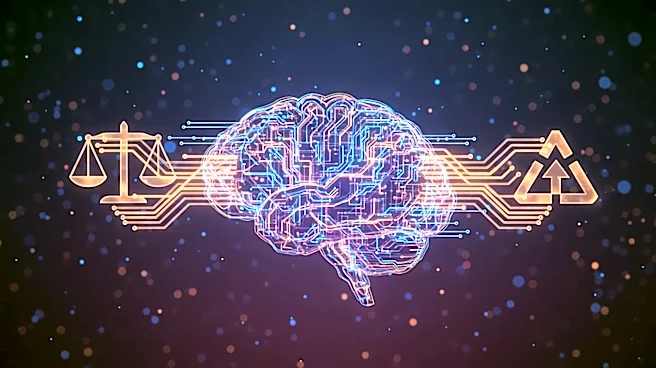
The issue of recursive self-improvement in AI is significant due to its potential to create systems that operate beyond human oversight, posing risks of unintended consequences. This development could impact various sectors, including technology, security, and governance, by challenging existing regulatory frameworks and ethical standards. The US government's current regulatory environment is described as chaotic, with advanced AI models requiring authorization before release. This situation underscores the need for clear and coordinated international policies to manage AI development responsibly. The potential for AI systems to self-improve raises questions about control, accountability, and the future role of human oversight in technology.
What's Next?
Future steps may involve international collaboration to establish guidelines and regulations that address the risks associated with recursive self-improvement in AI. This could include mechanisms for global coordination and inspection rights within AI companies to ensure responsible development. The call for a pause in AI development highlights the need for a collective approach, as unilateral actions may be ineffective. Stakeholders, including governments, tech companies, and civil society, will need to engage in open deliberation to address these challenges. The ongoing debate may lead to new regulatory frameworks and ethical guidelines to govern AI advancements.
Beyond the Headlines
The discussion around recursive self-improvement in AI also touches on broader ethical and philosophical questions about the future of human-machine interaction. As AI systems become more autonomous, society must consider the implications for human agency, decision-making, and the potential for AI to influence or even dictate outcomes in critical areas. The balance between innovation and control will be crucial in shaping the trajectory of AI development. Long-term, this issue may redefine the relationship between technology and humanity, prompting a reevaluation of what it means to be in control of our creations.