




What's Happening?
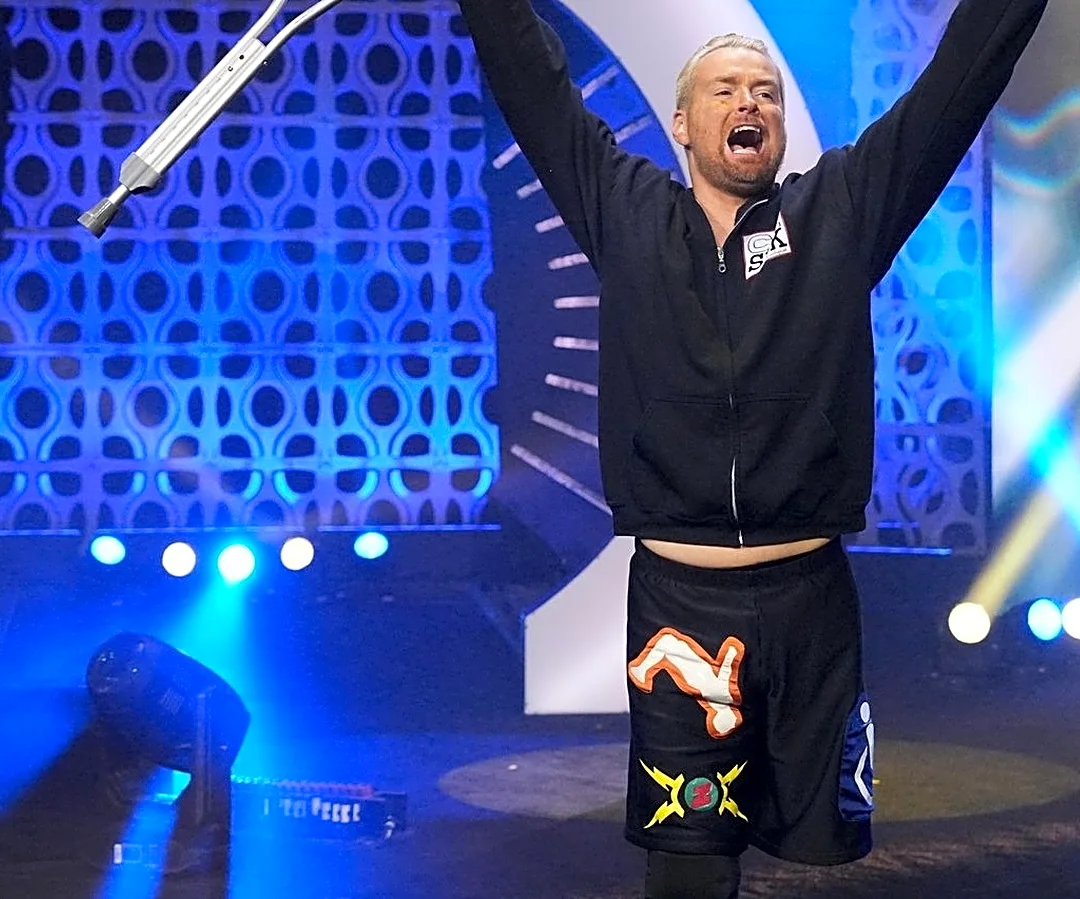
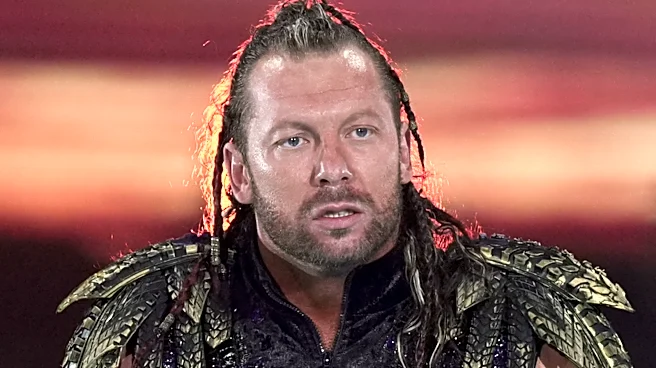
Kevin Knight, a wrestler with All Elite Wrestling (AEW), recently shared insights into his wrestling journey, including his initial entry into the sport and the challenges posed by the COVID-19 pandemic. Knight stated that he always loved professional
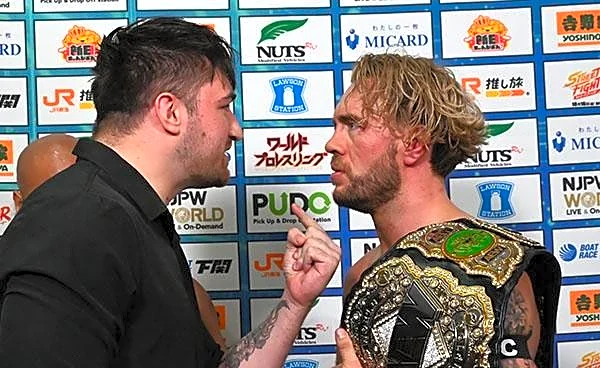
wrestling but was unaware of a clear career path into it, having played football growing up. His opportunity arose in late 2019 when he attended one of the last New Japan seminars before the pandemic, leading to a verbal agreement to join their young lion program. The pandemic significantly impacted his early career, as he had to learn a new wrestling style in front of no audience during tapings. This lack of crowd reaction made it difficult to gauge timing and audience response, which he described as like 'wrestling Inception,' forcing him to relearn how to wrestle once audiences returned.
Why It's Important?
Knight's experience highlights the unique challenges faced by emerging athletes in performance-based industries during unprecedented global events like the pandemic. For professional wrestling, where audience interaction is a crucial element of the performance and storytelling, the absence of live crowds fundamentally altered the learning and development process for new talent. This situation could have long-term implications for how wrestling promotions train and integrate new talent, potentially leading to adaptations in training methodologies to simulate crowd environments or emphasize different aspects of performance. It also underscores the resilience required by athletes to adapt to rapidly changing circumstances and maintain their career trajectory despite significant disruptions, impacting their mental and physical preparation for the demands of the sport.
What's Next?
As professional wrestling continues to evolve post-pandemic, promotions like AEW and New Japan Pro-Wrestling may integrate lessons learned from this period into their talent development programs. This could involve more structured approaches to training in varied environments, including those without live audiences, to better prepare wrestlers for diverse performance conditions. For Knight, continuing to adapt and refine his craft, particularly in front of live crowds, will be crucial for his career progression in AEW. The industry might also see a greater emphasis on digital engagement and alternative forms of audience feedback to supplement the traditional live crowd experience, ensuring that new talent can still develop a strong connection with fans regardless of the immediate in-arena atmosphere.
Beyond the Headlines
The narrative of Kevin Knight's early career during the pandemic touches upon broader themes of adaptation and innovation in entertainment. It raises questions about the intrinsic value of live audience feedback in performance arts and how its absence can reshape artistic development. The 'wrestling Inception' analogy speaks to the psychological complexity of performing without immediate validation, potentially fostering a deeper internal understanding of one's craft but also creating a disconnect from the communal experience of live entertainment. This period might lead to a generation of performers with a unique skill set, capable of delivering compelling performances under various conditions, thereby influencing the future aesthetics and engagement strategies of professional wrestling and other live performance industries.