



What's Happening?
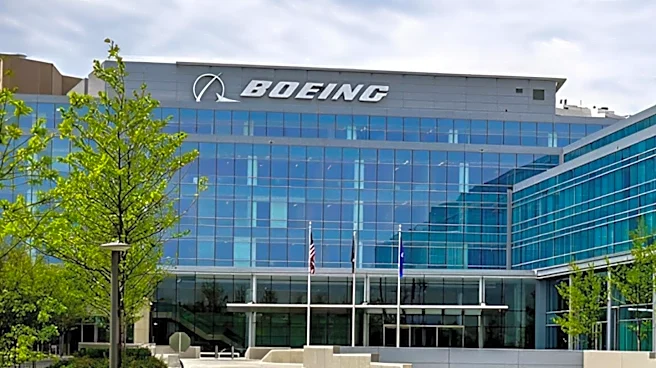
Members of Boeing's SPEEA union, representing 13,000 engineers and 4,000 technical workers, have rejected a contract offer from the company. The union members also authorized their bargaining team to call a strike if further negotiations fail. The proposed
contract would have increased the average pay for those who design Boeing planes by nearly 30 percent over four years, included three additional days of paid leave, reduced limits on mandatory overtime, and offered more opportunities for virtual work. Despite the negotiating team's initial endorsement of the offer, members voted against it. Dan Nowlin, a Boeing equipment and tool specialist and negotiating team member, expressed disappointment with the outcome, stating that the team worked hard to reach an agreement they believed was fair. The union cited a lack of trust in Boeing management, concerns about jobs being moved out of state, management overruling engineering decisions, quality being secondary to schedules, and salaries not keeping pace with inflation and the aerospace market as reasons for the rejection. Katheryn Durke, a materials and process engineer on the bargaining team, highlighted that Boeing's decisions are contributing to staff turnover, which could impact the company's ability to retain top talent essential for aircraft production.
Why It's Important?
This development is significant for Boeing and the broader aerospace industry, as a potential strike by SPEEA union members could severely disrupt aircraft production and delivery schedules. Boeing's ability to maintain its workforce and ensure the quality of its products is critical for its operational stability and reputation. The union's concerns about job outsourcing, management interference in technical decisions, and the prioritization of schedules over quality could have long-term implications for the company's engineering integrity and product safety. A strike would not only halt production but also damage Boeing's financial performance and its standing in a highly competitive global market. The aerospace sector relies heavily on a skilled and stable workforce, and any prolonged labor dispute could lead to a loss of talent and expertise, further exacerbating existing challenges. For the U.S. economy, disruptions at a major manufacturer like Boeing can have ripple effects across its supply chain and impact national export figures.
What's Next?
Boeing has stated it has a contingency plan in place should SPEEA workers initiate a strike. The earliest a strike could occur is October 7, following the expiration of the current contract. While Boeing has not yet scheduled further talks with SPEEA, the union's negotiating team remains open to returning to the table to resolve the dispute. The outcome of these negotiations will determine whether a strike is averted or if Boeing faces a significant work stoppage. The company's response to the union's concerns regarding job security, management decisions, and compensation will be crucial in reaching a resolution. The last Boeing strike in western Washington occurred in 2024, involving machinist union members and lasting 53 days, which resulted in production shutdowns. Both parties will likely engage in further discussions to prevent a similar scenario, given the potential economic and operational consequences.
Beyond the Headlines
The union's rejection of the contract and the authorization of a strike highlight deeper issues within Boeing's corporate culture and its relationship with its skilled workforce. The claims that management is overruling engineering decisions and prioritizing schedules over quality raise concerns about the company's commitment to its long-standing reputation for engineering excellence and safety. This sentiment among employees could stem from past incidents and ongoing scrutiny regarding Boeing's aircraft programs. The emphasis on retaining 'top talent' by Katheryn Durke underscores the critical role of experienced engineers and technical staff in the complex process of aircraft manufacturing. A perceived erosion of trust between management and labor could lead to a decline in morale, increased turnover, and potentially impact the innovation and quality control essential for a leading aerospace company. This situation could also influence labor relations across the U.S. manufacturing sector, particularly in industries requiring highly specialized skills.