
What's Happening?
To enhance gut health, individuals are encouraged to adopt several lifestyle modifications, including stress management, adequate sleep, and consistent hydration. Dietary recommendations focus on incorporating
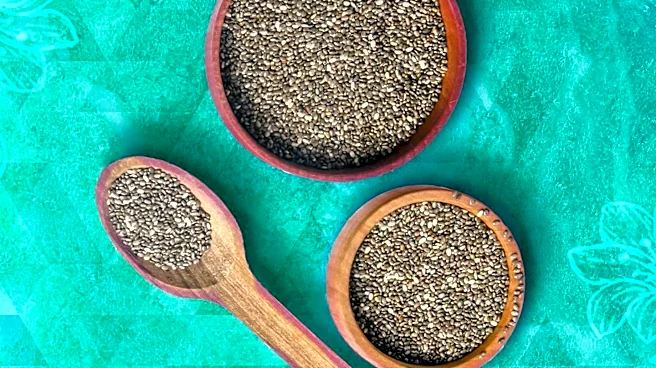
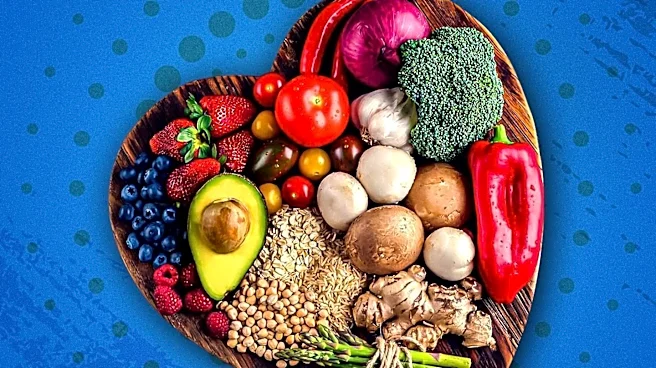
fermented foods and fiber-rich whole foods, while simultaneously reducing the intake of processed foods and sugar. Regular physical activity, such as walking, is also highlighted as beneficial for digestive health. The importance of staying hydrated with water or warm beverages like green tea and bone broth is underscored. Chia seeds are presented as a key component in this approach, offering a significant source of both soluble and insoluble fiber, which aids in regularity and supports a thriving gut microbiome. The article emphasizes that while chia seeds are beneficial, they are most effective when integrated into a broader, mindful routine that prioritizes whole foods and listens to the body's unique signals for optimal digestive wellness.
Why It's Important?
The emphasis on lifestyle changes for gut health is important due to the widespread impact of digestive wellness on overall health and quality of life in the U.S. A healthy gut contributes to better nutrient absorption, a stronger immune system, and potentially improved mental well-being. The promotion of whole foods, reduced sugar, and increased fiber intake addresses common dietary deficiencies and unhealthy eating patterns prevalent in American society, which often contribute to digestive issues. By advocating for stress management and sufficient sleep, the guidance acknowledges the holistic connection between mental and physical health, a critical aspect often overlooked in fast-paced modern lifestyles. This approach empowers individuals to take proactive steps in managing their health, potentially reducing reliance on pharmaceutical interventions for common digestive complaints and fostering long-term wellness.
What's Next?
Individuals can begin implementing these recommendations by gradually integrating chia seeds into their diet, starting with small portions and ensuring proper hydration. The article suggests batch-prepping chia seed pudding on weekends to simplify healthy breakfast routines during the week. Further steps include exploring various plant-based milks and probiotic-rich additions like kefir to enhance the nutritional profile of chia seed preparations. Monitoring personal digestive responses and adjusting portions or ingredients accordingly is advised. For those new to high-fiber diets, a slow introduction is recommended to allow the gut microbiome to adapt, minimizing potential discomfort. Consulting a healthcare professional is crucial for individuals who are pregnant, breastfeeding, taking prescription medications, or have serious medical conditions before making significant dietary changes.
Beyond the Headlines
The focus on gut health through lifestyle changes reflects a growing understanding of the microbiome's profound influence on various bodily systems, extending beyond digestion to areas like immunity, mood, and chronic disease prevention. This shift towards holistic wellness challenges the traditional symptom-focused approach to health, advocating for preventative measures and dietary interventions. The promotion of pantry staples like chia seeds highlights a movement towards accessible and affordable health solutions, democratizing wellness practices. Furthermore, the emphasis on mindful eating and listening to one's body signals encourages a deeper connection with personal health, fostering self-awareness and sustainable habits rather than relying on restrictive diets or quick fixes. This broader perspective on health could lead to long-term societal benefits, including reduced healthcare burdens and an improved collective quality of life.