







What's Happening?
The fashion industry is undergoing a significant transformation driven by new technologies, including artificial intelligence, smart textiles, 3D design, and virtual clothing. These innovations are influencing every stage of fashion, from design and production
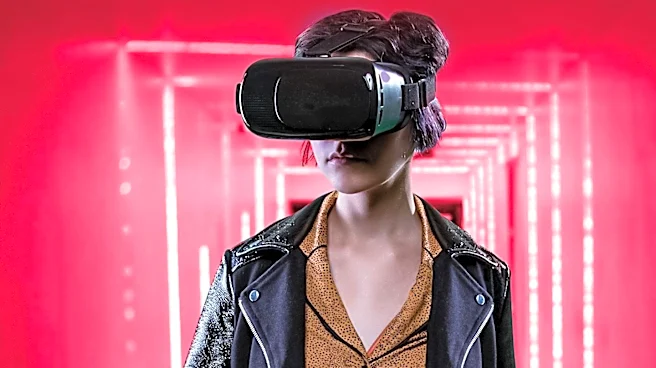
to retail and consumer interaction. Smart clothing, for instance, is being developed with sensors and electronic components to monitor fitness, sense the environment, and manage body temperature. AI is being utilized for trend analysis, product recommendations, inventory planning, and design exploration, allowing designers to experiment with visual directions before creating physical garments. Additionally, 3D fashion design is reducing the need for physical samples by enabling designers to create and adjust virtual garments, while virtual try-on technology and augmented reality are enhancing online shopping experiences by allowing customers to visualize products on themselves or in their surroundings. These advancements aim to make fashion more personalized, efficient, and sustainable.
Why It's Important?
The integration of technology into fashion holds significant implications for U.S. industries, consumers, and the broader economy. For businesses, these technologies offer opportunities to streamline operations, reduce waste, and enhance customer engagement. Personalized fashion, enabled by AI and data analysis, can lead to more tailored products and improved customer satisfaction, potentially boosting sales and brand loyalty. The shift towards digital design and virtual clothing can also reduce the environmental impact of the industry by minimizing physical samples and overproduction. However, this technological evolution also presents challenges, such as high development costs, the need for new skill sets among fashion professionals, and concerns regarding data privacy and electronic waste. The success of these innovations will depend on their ability to integrate seamlessly into existing fashion expectations, offering practical benefits without compromising comfort, durability, or aesthetic appeal.
What's Next?
The future of fashion technology is expected to see continued development and integration of these advanced tools. Smart clothing is likely to become more common as technology becomes smaller, more comfortable, and affordable. Digital fashion and virtual clothing will play an increasingly important role in online identities and experiences, with virtual try-on systems becoming a standard part of digital retail. Automation and robotics in manufacturing are anticipated to improve efficiency and precision, though human craftsmanship will remain crucial for complex and luxury items. Furthermore, technology will continue to support sustainable practices through improved forecasting, material innovation, and product tracking. Consumers can expect more personalized shopping experiences and products, while designers will need to adapt to a broader skill set that includes digital modeling and AI tools. The industry will also need to address challenges related to cost, privacy, and electronic waste to ensure widespread adoption and responsible innovation.
Beyond the Headlines
Beyond the immediate practical applications, the rise of fashion technology raises deeper implications for creativity, human connection, and the very definition of 'clothing.' While AI can assist with design, the source emphasizes that human creativity, cultural understanding, and emotional connection remain indispensable. The increasing personalization of fashion, while beneficial for consumers, also necessitates careful consideration of data privacy and security. The concept of digital fashion challenges traditional notions of ownership and physical presence, suggesting a future where self-expression can exist in both tangible and virtual realms. Moreover, the focus on sustainability through technology highlights an ethical imperative for the industry to reduce its environmental footprint. The long-term shift could lead to a fashion ecosystem where garments are not merely aesthetic objects but functional, responsive, and environmentally conscious entities, blurring the lines between technology, art, and utility.