



What's Happening?
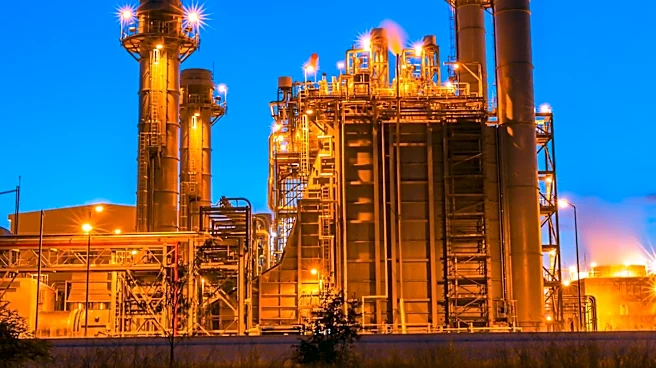
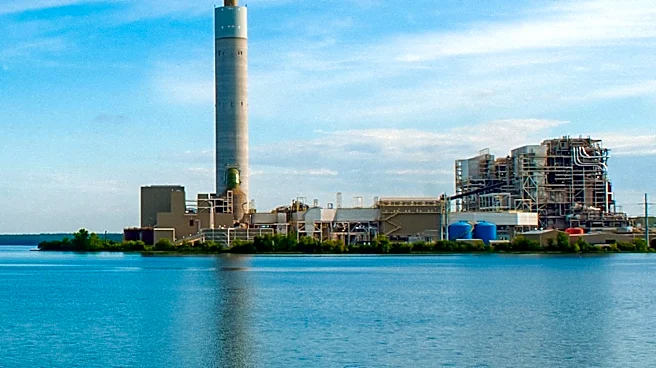
Amazon has confirmed its acquisition of GW Ranch, a large data center campus in west Texas. The project, developed by Pacifico Energy Group, includes plans for three data center buildings and 35 natural gas turbines capable of generating up to 7.65 GW of power.
The site will also feature up to 750 MW of solar power and 1.8 GW of battery storage. Amazon's investment in this 'behind-the-meter' data center campus marks a significant step in its infrastructure expansion, although the company has not disclosed the total investment or buildout plans. The project is designed to minimize water usage by relying on non-potable sources for cooling.
Why It's Important?
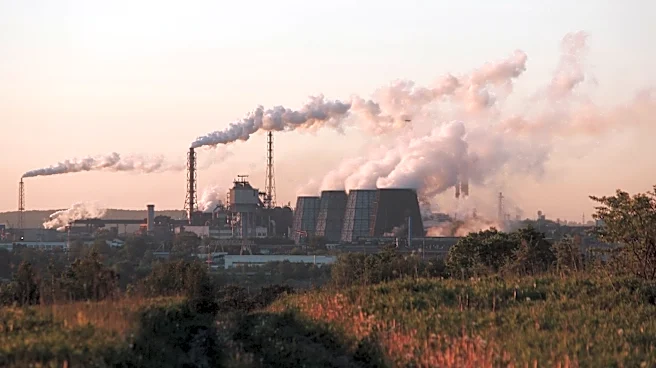
This development highlights Amazon's strategic move to enhance its data center capabilities while addressing environmental concerns. The project underscores the growing demand for data centers driven by cloud computing and AI technologies. However, the potential environmental impact, particularly in terms of carbon emissions, raises questions about sustainability. The facility's ability to release significant greenhouse gases could challenge Amazon's commitment to achieving net-zero carbon emissions by 2040. The project also reflects broader trends in the tech industry, where companies are investing heavily in infrastructure to support data-intensive operations.
What's Next?
The future of the GW Ranch project may be influenced by regulatory developments, including a statewide moratorium on new data center projects in Texas. This pause, announced by Governor Greg Abbott, aims to assess the impact of data centers on local resources. Amazon's project, initially operating off-grid, is designed to transition to grid-connected service, potentially affecting regional energy dynamics. The project's progress will be closely watched by industry stakeholders and environmental groups, as it could set precedents for future data center developments in terms of sustainability and regulatory compliance.
Beyond the Headlines
The GW Ranch project raises broader questions about the balance between technological advancement and environmental stewardship. As data centers become more integral to digital infrastructure, their environmental footprint will be scrutinized. The project's reliance on natural gas and potential emissions highlight the challenges of aligning tech industry growth with sustainability goals. This development may prompt further discussions on regulatory frameworks and industry standards to ensure that data center expansions are environmentally responsible. The project's impact on local communities, particularly in terms of resource allocation and infrastructure strain, will also be a critical consideration.