






What's Happening?
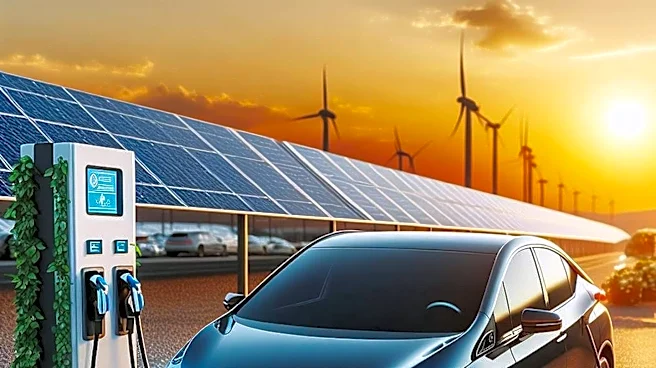
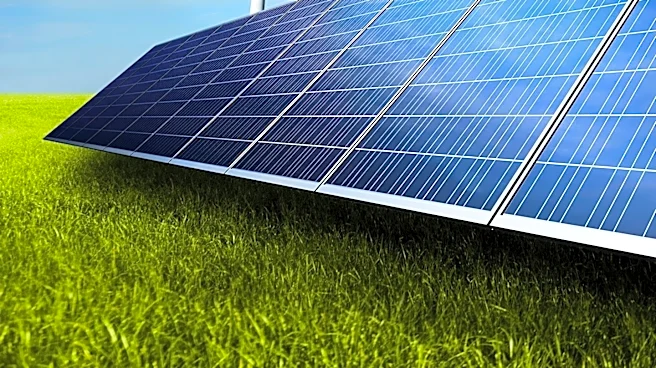
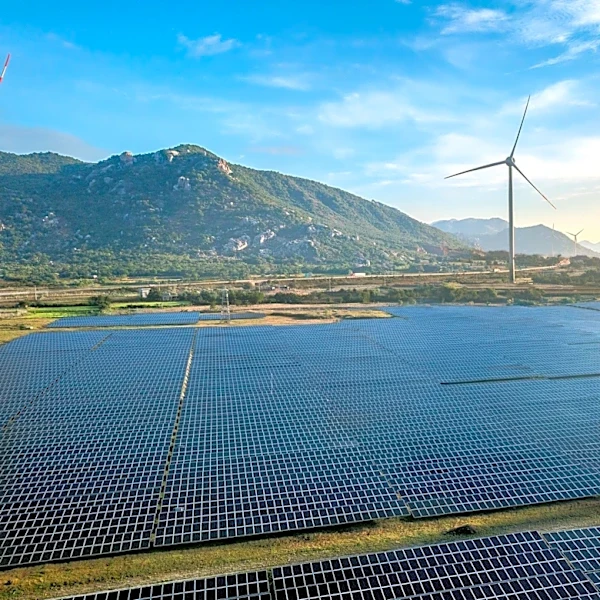
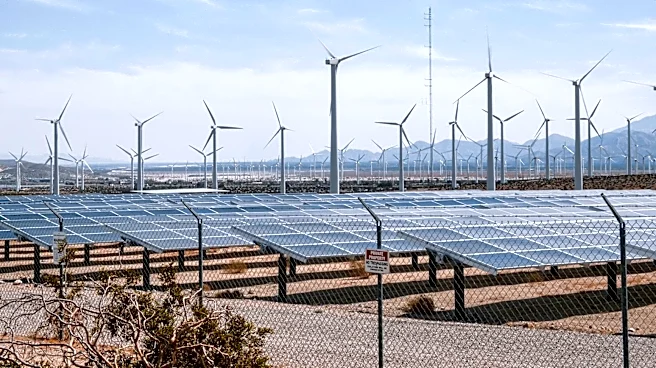
EVelution Energy, a U.S. critical minerals company, has commenced construction on a 28 MW solar facility in Yuma County, Arizona. This facility is designed to power the company's upcoming cobalt metal and sulphate processing plant. The construction began
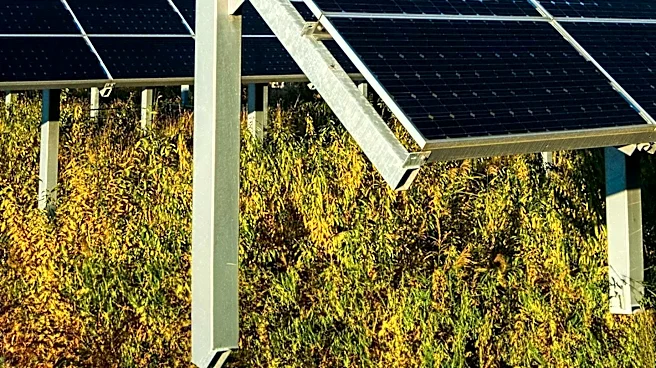
with the installation of steel mounting piles across a 150-acre site, which will support the solar panels. The solar array's construction is expected to continue through 2027, with the cobalt processing plant set to be commissioned by 2029. The solar facility is integral to EVelution Energy's strategy to establish a domestic supply chain for critical minerals, supported by renewable energy and advanced manufacturing. The project is being executed under a construction contract with Aquila Energy, with engineering support from M3 Engineering & Technology Corporation. Once operational, the solar facility will generate sufficient electricity to power the cobalt plant entirely from renewable sources, with excess energy stored on-site or supplied to the local grid.
Why It's Important?
The development of this solar-powered cobalt processing facility is significant for several reasons. It represents a major step towards reducing U.S. reliance on foreign sources for critical minerals, particularly cobalt, which is essential for aerospace, defense, and electric vehicle battery industries. By producing 20,000 tons of battery-grade cobalt sulphate annually, the facility is expected to meet about 40% of the projected U.S. cobalt demand. This project not only supports the transition to renewable energy but also aims to bolster the domestic economy by generating approximately $1.2 billion in annual economic activity in Arizona and creating over 6,200 jobs. The initiative aligns with broader national goals of enhancing energy security and fostering sustainable industrial practices.
What's Next?
As construction progresses, stakeholders will likely monitor the project's impact on local economies and the broader U.S. critical minerals market. The successful commissioning of the plant by 2029 could prompt further investments in renewable energy-powered industrial facilities. Additionally, the project's progress may influence policy discussions around domestic mineral production and renewable energy integration. Local communities and industry leaders will be keen to see how the project contributes to job creation and economic growth in the region.