





What's Happening?
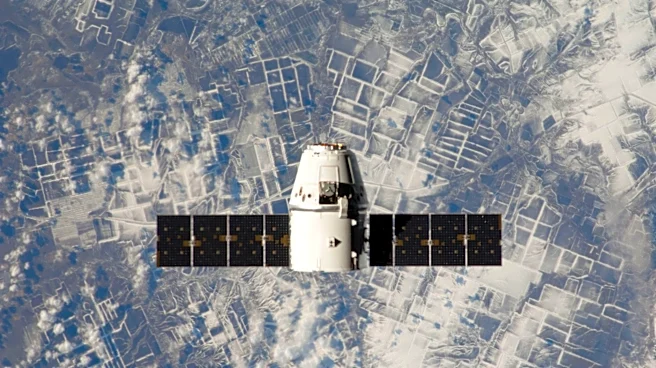
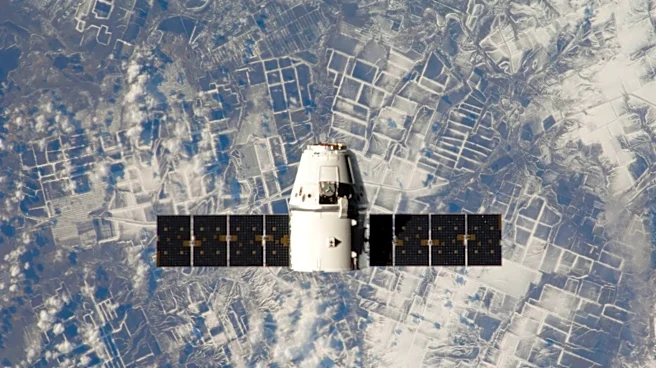
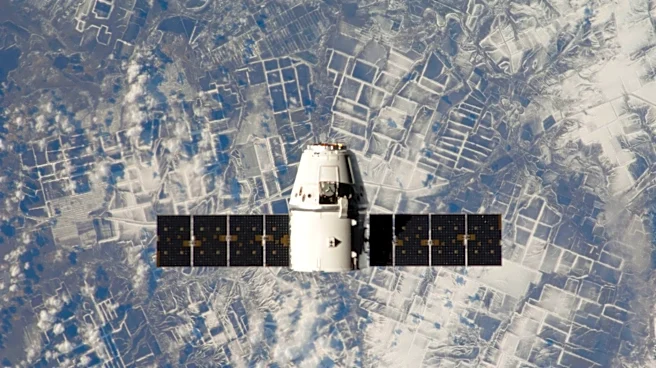
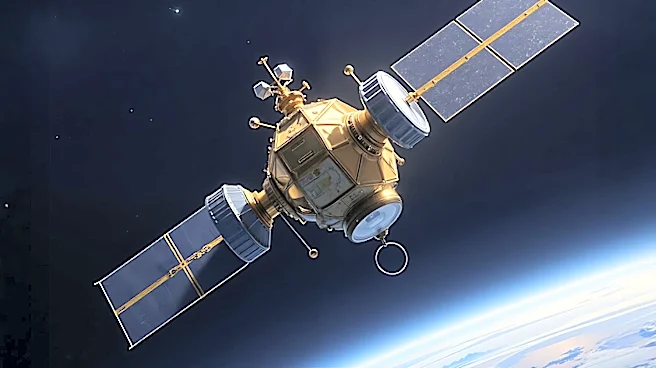
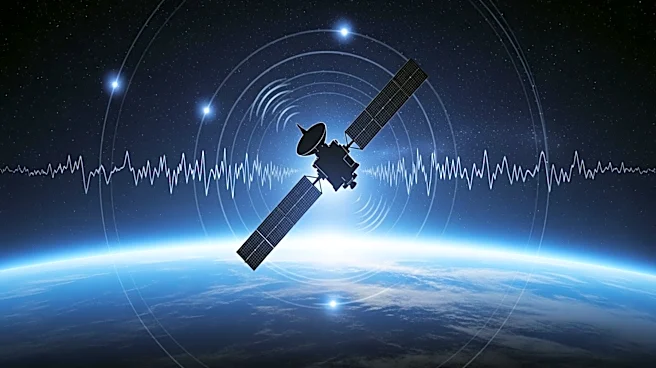
Loft Orbital is partnering with NASA's Jet Propulsion Laboratory (JPL) to test artificial intelligence (AI) on spacecraft to improve Earth science monitoring. This collaboration is part of a NASA-funded project called Federated Autonomous Measurement
(FAME). The initiative aims to automate the 'tip-and-cue' process, where imagery from one spacecraft is used to identify features for detailed observation by another spacecraft. Traditionally, this process required imagery to be downlinked and analyzed on the ground. The project involves using AI models trained on extensive data to recognize features without specific instructions. The tests began this month with a Loft Orbital spacecraft running JPL's AI software, with further tests planned for 2027 and 2028. The project faces technical challenges, including integrating sensors and processors on satellites to process images in real-time and developing open-source AI models that fit within the hardware constraints of the satellite.
Why It's Important?
The collaboration between Loft Orbital and NASA represents a significant advancement in the use of AI for space-based Earth observation. By automating the tip-and-cue process, the project aims to enhance the speed and efficiency of data collection and analysis, which is crucial for monitoring environmental changes, such as wildfires and marine pollution. This capability could also have applications in security, military, and intelligence, where rapid information processing is essential. The development of smaller, high-performance AI models that can operate within the constraints of space hardware marks a technological breakthrough, potentially leading to more autonomous and responsive satellite systems. This advancement could benefit both commercial and governmental sectors by providing real-time insights and reducing the time lag associated with traditional data processing methods.
What's Next?
Loft Orbital plans to expand its capabilities with a series of 10 satellites called Altair, equipped with multiple sensors, edge computing for AI models, and intersatellite links. This expansion aims to create a more robust network for real-time data processing and communication between satellites. The success of this project could lead to broader adoption of AI in space applications, encouraging further investment and innovation in the field. As the project progresses, stakeholders, including government agencies and commercial entities, will likely monitor its outcomes to assess the potential for scaling similar technologies across other space missions.