




What's Happening?
The Interactive Advertising Bureau (IAB) recently hosted CreatorFronts, an event aimed at professionalizing the rapidly growing creator economy. This initiative comes as the U.S. creator ad spend is projected to reach approximately $44 billion by 2026,
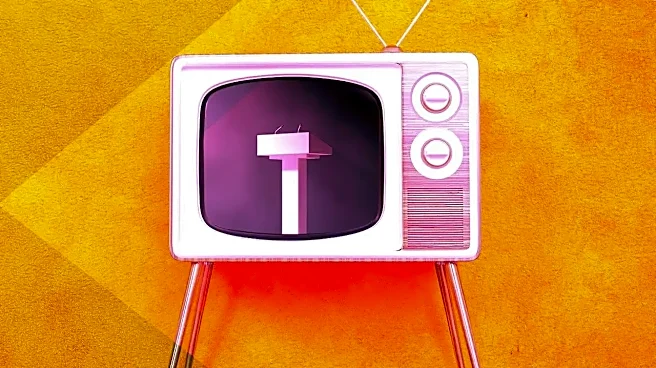
a fourfold increase compared to the overall media industry's growth. The creator economy has already seen substantial growth, more than doubling from $13.9 billion in 2021 to $29.5 billion in 2024. Despite this significant financial expansion and increased brand engagement, the industry has been characterized by a 'half-built infrastructure,' lacking standardized metrics, clear measurement protocols, and efficient ways to scale creator campaigns. CreatorFronts brought together buyers, brands, platforms, technology companies, and creators to discuss these challenges and work towards establishing the necessary frameworks for a mature industry. The event highlighted that creators are no longer confined to niche platforms but are expanding into podcasts, commerce, live events, and television, blurring the lines between traditional and creator-led media.
Why It's Important?
The maturation of the creator economy has significant implications for the U.S. advertising industry and broader economic landscape. As brands increasingly allocate substantial budgets to creators, the lack of standardized measurement and infrastructure creates inefficiencies and risks. Establishing clear metrics for views, performance comparison across platforms, and scalable purchasing methods will enable advertisers to invest with greater confidence and accountability. This shift will allow for more effective allocation of marketing dollars, potentially leading to higher returns on investment for businesses. For creators, a more structured industry means greater opportunities for monetization beyond experimental budgets, fostering sustainable careers and encouraging innovation. The integration of creator content into traditional media like television, as demonstrated by Universal Ads offering creator-led streaming inventory, signifies a fundamental change in how content is produced, distributed, and consumed, impacting entertainment companies, ad tech firms, and even legal frameworks surrounding intellectual property and usage rights. This evolution could redefine media consumption habits and advertising strategies across the nation.
What's Next?
Following CreatorFronts, the IAB announced its Trusted Creator Brand Deal Initiative, which aims to address breakdowns in the supply chain for creator deals. This initiative will focus on developing solutions for measurement, defining views, and establishing consistent methods for buying creator media. The goal is to bring together key stakeholders to collaboratively resolve these issues, moving the industry beyond its current 'half-built infrastructure.' The ongoing effort will likely involve continued discussions and collaborations among advertisers, platforms, and creators to establish industry-wide standards and best practices. As creators continue to diversify their content and platforms, further integration into traditional media channels is anticipated. The industry will also need to balance the need for standardization and scalability with preserving the authentic, personal connection that makes creator content valuable, ensuring that the drive for increased ad dollars does not compromise the unique appeal of individual creators.
Beyond the Headlines
The rapid growth and professionalization of the creator economy raise deeper questions about the future of media, labor, and consumer engagement. Ethically, the push for standardization and metrics could inadvertently commodify creative expression, potentially diluting the authenticity that draws audiences to creators in the first place. There's a delicate balance between enabling creators to earn substantial income and maintaining the 'parasocial relationship' that underpins their success. Legally, the expansion into diverse sectors like television and commerce will necessitate clearer frameworks for contracts, intellectual property, and revenue sharing, especially as creators build their own production companies and brands. Culturally, the blurring lines between traditional media and creator content signify a long-term shift in how entertainment and information are consumed, with implications for media literacy and the influence of individual voices. This evolution could lead to a more democratized media landscape, but also presents challenges in maintaining quality and ethical standards across a vast and decentralized ecosystem.