








What's Happening?
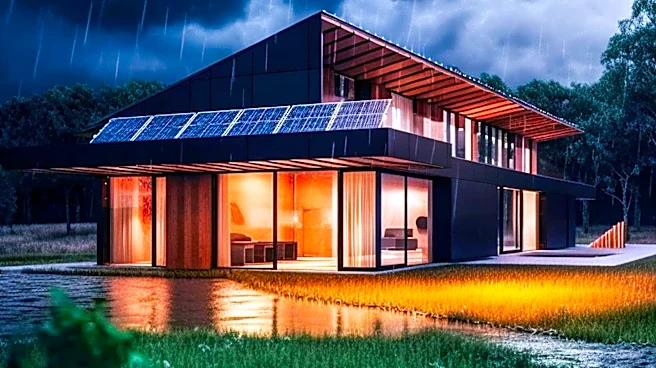
Architects in the United States are increasingly adopting the Japanese technique of shou sugi ban, which involves charring wood to create a fire-resistant, insect-proof, and weatherproof facade. This method, which results in a dramatic, ink-black finish,
is gaining popularity in areas prone to inclement weather and fire hazards. The technique not only provides a unique aesthetic but also enhances the durability of homes. Several properties across the U.S., from New York to Oregon, showcase this style, offering features like expansive windows, open floor plans, and luxurious amenities. These homes are designed to blend with their natural surroundings while providing modern comforts and safety.
Why It's Important?
The adoption of shou sugi ban reflects a growing trend towards sustainable and resilient building practices in the U.S. real estate market. As climate change increases the frequency and severity of natural disasters, such as wildfires, the demand for fire-resistant housing solutions is likely to rise. This technique offers a practical solution by enhancing the safety and longevity of homes, potentially reducing insurance costs and increasing property values. Additionally, the aesthetic appeal of shou sugi ban homes may attract buyers looking for unique and environmentally conscious designs, influencing future architectural trends.
What's Next?
As the popularity of shou sugi ban grows, more architects and builders may incorporate this technique into their projects, particularly in regions vulnerable to wildfires and harsh weather conditions. This could lead to increased demand for skilled craftsmen familiar with the method, as well as a rise in the availability of charred wood products. Real estate developers might also explore integrating other traditional and sustainable building techniques to meet the evolving preferences of environmentally conscious consumers. The trend could prompt regulatory bodies to consider new building codes and standards that encourage or mandate the use of fire-resistant materials in construction.